
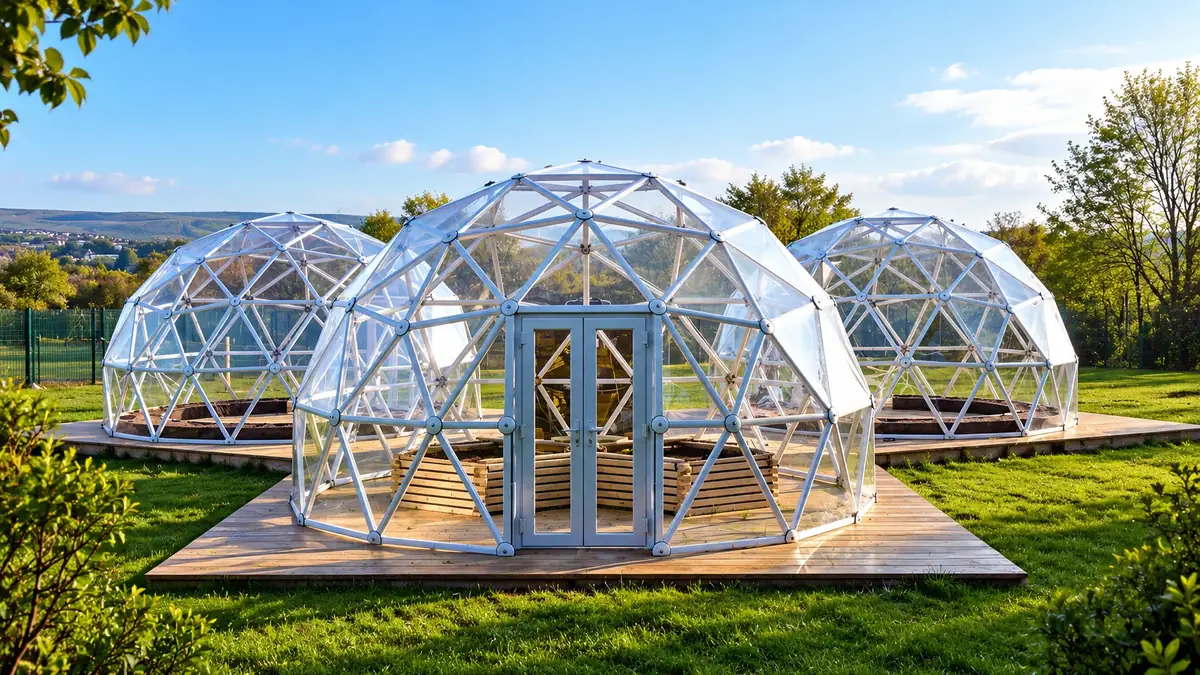
Imagine walking into a giant glass structure where tropical plants grow beneath a warm, humid sky, birds move through lush greenery, and carefully managed conditions recreate an environment far removed from the landscape outside.
This is the idea behind a biodome: a human-made environment designed to recreate or support an ecosystem within an enclosed structure.
Biodomes can help scientists study nature, allow visitors to experience distant habitats, and provide controlled environments for plants and animals. Some are built around a single environment, while others bring several distinct ecosystems together under one roof.
Although biodomes may look like futuristic greenhouses, their purpose can extend beyond growing plants. They can serve as educational attractions, research facilities, conservation spaces, and experiments in managing complex ecological systems.
Understanding how biodomes work reveals something fascinating about the relationship between architecture, technology, and the natural world.
What Is a Biodome?
A biodome is an enclosed, human-made environment designed to recreate or maintain an ecosystem under controlled conditions.
It may contain plants, animals, soil, water, and other components of a natural habitat. Depending on its purpose, a biodome can simulate environments such as tropical rainforests, temperate forests, deserts, or polar regions.
The structure often uses transparent materials that allow sunlight to enter while helping regulate the internal environment. Heating, cooling, ventilation, irrigation, and monitoring systems may be used to maintain suitable conditions for the organisms living inside.
Not every biodome operates as a completely closed or self-sustaining ecosystem. Some depend heavily on external energy, water, food, and human maintenance, while experimental facilities may investigate how ecological systems can function with fewer outside resources.
The defining feature is the attempt to create a managed environment in which living organisms can survive, interact, or be studied.
How Does a Biodome Work?
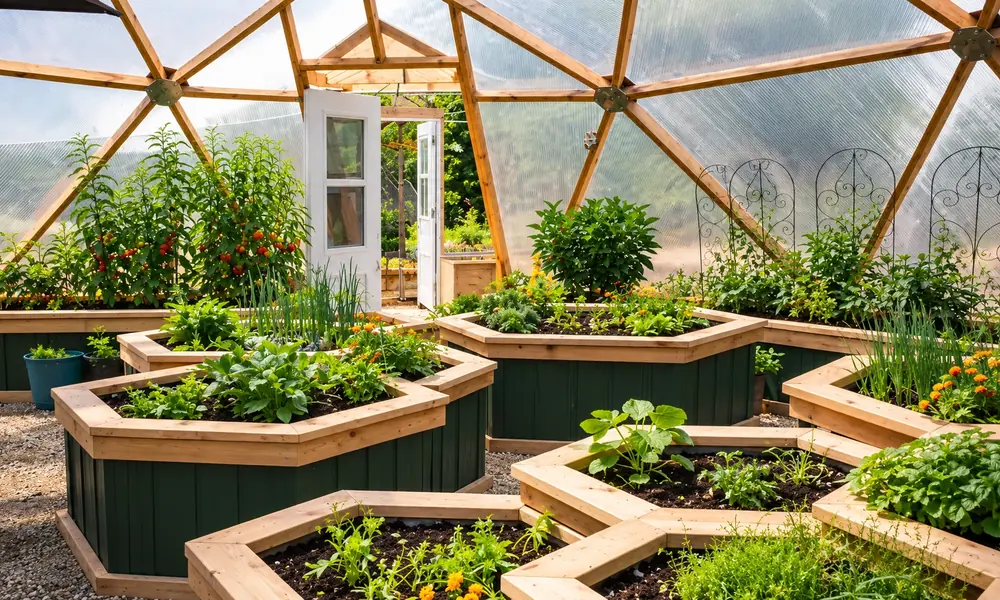
A biodome works by combining structural design, environmental controls, and ecological processes. Its systems must support the organisms inside while maintaining conditions appropriate for the intended habitat.
1. Temperature and Climate Control
Different organisms require different environmental conditions. Tropical plants generally need warmer, more humid conditions than many plants from temperate climates.
A biodome may use heating, cooling, ventilation, shading, and humidity controls to create the appropriate environment.
Some facilities recreate several climate zones, allowing visitors to move between habitats that would normally exist in different parts of the world.
2. Light and Photosynthesis
Plants use light to carry out photosynthesis, the process through which they convert light energy into chemical energy.
Transparent roofs and walls allow natural sunlight to enter a biodome. Where sunlight is insufficient, supplemental lighting may help plants grow.
The amount and duration of light must suit the species being cultivated. Too little light can restrict growth, while excessive exposure may create overheating or other problems.
3. Water Management
Water is essential for plants, animals, and microorganisms. Biodomes may use irrigation systems, water storage, drainage, and humidity controls to maintain suitable moisture levels.
Some facilities collect and reuse water, reducing their dependence on fresh supplies. Others require regular external watering and maintenance.
In more complex ecological experiments, researchers may study how water moves through the environment, including evaporation, condensation, and precipitation.
4. Nutrient Cycling
Healthy ecosystems depend on nutrients moving between living organisms and their surroundings.
Plants absorb nutrients from soil or water. Animals obtain nutrients by eating plants or other animals, while decomposers such as fungi and bacteria break down organic material.
These processes help recycle nutrients, although a biodome may still require fertilizers, replacement soil, or other inputs to maintain suitable conditions.
5. Monitoring and Maintenance
A biodome is not necessarily self-sustaining simply because it is enclosed.
Staff may monitor temperature, humidity, water quality, light levels, and the health of plants and animals. They may also manage pests, maintain equipment, provide food, and adjust environmental conditions.
The more complex the ecosystem, the more carefully its interactions and resources may need to be managed.
What Is the Purpose of a Biodome?
Biodomes serve several purposes, from scientific investigation to public education. Their value depends on how they are designed and managed.
Scientific Research
Researchers can use controlled environments to investigate plant growth, ecological relationships, and responses to changing environmental conditions.
Because certain variables can be regulated more closely than in the wild, scientists may be able to study specific processes under repeatable conditions.
However, a biodome cannot perfectly reproduce every feature of a natural ecosystem. Findings must be interpreted in light of the differences between the controlled environment and the real world.
Environmental Education
Biodomes allow people to encounter plants and animals from habitats they might never otherwise visit.
A person living in a cold climate, for example, may be able to walk through a warm tropical environment without traveling to a rainforest.
These experiences can help visitors understand biodiversity, food webs, habitat requirements, and the importance of environmental protection.
Conservation
Some biodomes and enclosed botanical facilities support conservation-related work by maintaining living plant collections, providing managed habitats, or supporting breeding and research programs.
Their contribution depends on the species involved and the facility’s conservation goals. An enclosed environment alone does not guarantee that a species will be protected or successfully reintroduced into the wild.
Agriculture and Plant Production
Controlled environments can support plant cultivation when outdoor conditions are unsuitable or unpredictable.
By regulating temperature, moisture, and light, growers may be able to cultivate particular plants outside their usual climate range.
However, not every greenhouse is a biodome. The term is generally more closely associated with a designed ecosystem or habitat than with ordinary crop production alone.
Experiments in Closed Ecological Systems
Some biodome projects investigate whether living systems can maintain important ecological processes while relying on limited external resources.
These experiments are relevant to questions about long-duration space missions, resource recycling, and human life in isolated environments.
They also reveal how difficult it can be to balance oxygen, carbon dioxide, water, food production, and the needs of multiple organisms in a confined space.
Famous Biodome Examples Around the World
Several well-known projects illustrate how biodomes and related enclosed environments can be used for research, education, and public experiences.
The Eden Project, England
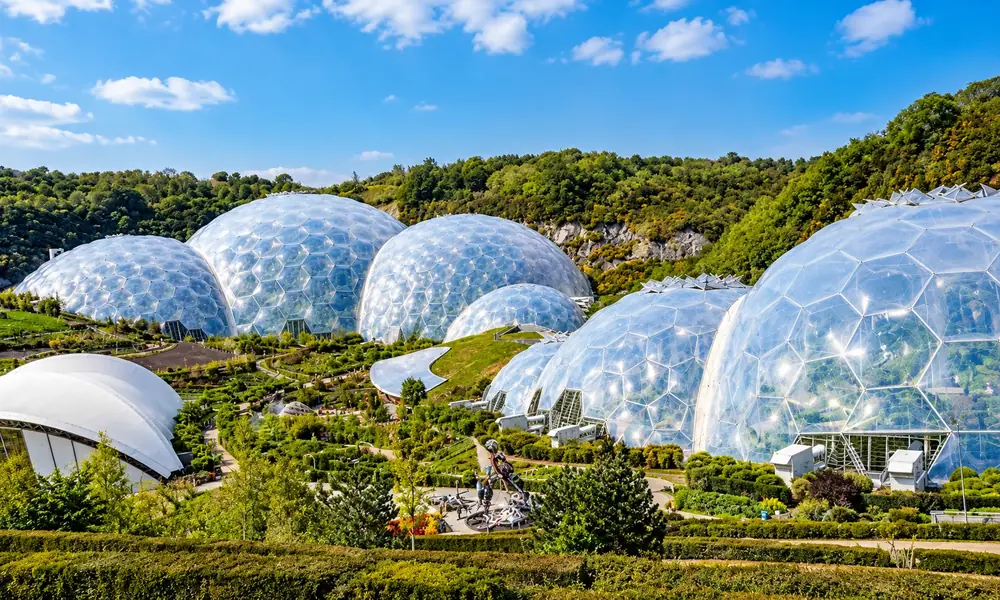
The Eden Project in Cornwall, England, is known for its large transparent biome structures that house plants from different climatic regions.
Its tropical biome recreates warm, humid conditions suitable for tropical vegetation, while another biome presents plants associated with Mediterranean climates and other warm temperate regions.
The project combines horticulture, environmental education, and public engagement. It demonstrates how architecture and climate-management systems can create habitats that differ significantly from the surrounding landscape.
Montreal Biodome, Canada
The Montreal Biodome in Canada allows visitors to explore representations of several ecosystems of the Americas.
Its environments include a tropical rainforest, the Laurentian maple forest, the Gulf of St. Lawrence, the Labrador coast, and sub-Antarctic islands.
The facility provides an opportunity to observe how different organisms live in environments with distinct climates and ecological characteristics.
It also supports education, research, and conservation-related activities.
Biosphere 2, United States
Biosphere 2, located in Arizona, was designed as a large experimental facility for studying interactions among living organisms and environmental systems within an enclosed structure.
Its original design included different ecological environments, agricultural areas, and living quarters for human occupants.
The project highlighted the complexity of maintaining interconnected systems, including air composition, food production, water, and ecological balance.
Biosphere 2 is also an important example of the challenges associated with attempting to create a largely self-contained living environment.
What Is the Difference Between a Biodome, a Greenhouse, and a Biosphere?
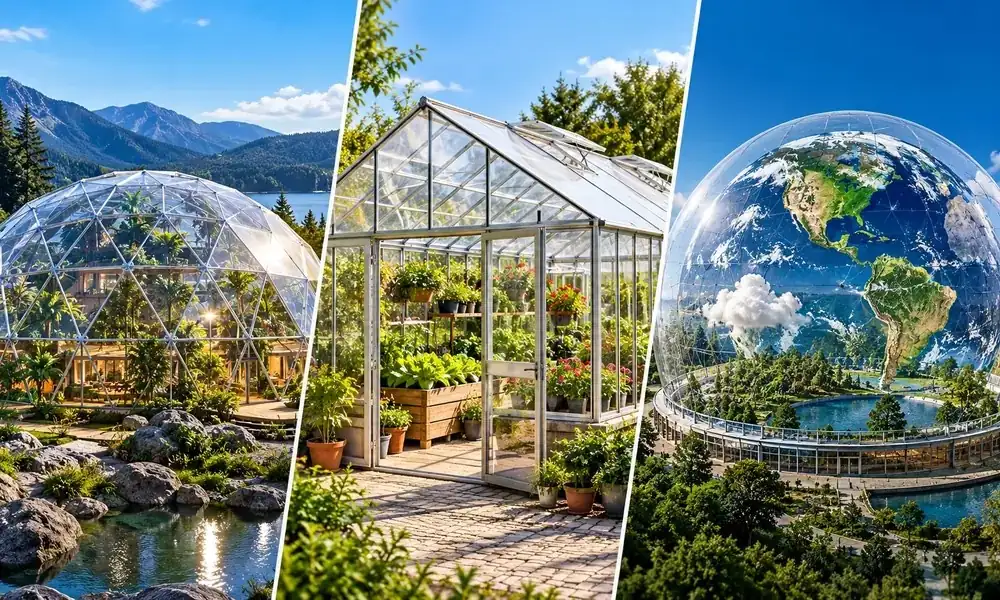
These terms are related, but they do not mean exactly the same thing.
Biodome: An enclosed, human-made environment designed to recreate or support an ecosystem. It may include plants, animals, and managed environmental conditions.
Greenhouse: A structure designed primarily to grow plants by using sunlight and managing growing conditions. Some greenhouses are highly sophisticated, but they do not necessarily recreate a complete ecosystem.
Biosphere: The global zone of Earth where life exists, including the connected environments of land, water, and the atmosphere that support living organisms. The word is also used in the names of some research facilities.
A biodome may model aspects of a biosphere, and a greenhouse may be incorporated into a biodome. However, neither term is interchangeable with the Earth’s biosphere.
What Are the Advantages and Limitations of Biodomes?
Biodomes provide valuable opportunities, but they also involve practical and ecological challenges.
Advantages
- Controlled conditions: Environmental factors can be adjusted to suit particular organisms.
- Learning opportunities: Visitors can experience and study ecosystems in one location.
- Research potential: Scientists can investigate ecological processes under managed conditions.
- Habitat management: Certain species can be maintained in environments designed around their needs.
- Resource experiments: Some facilities can test approaches to water reuse, nutrient cycling, and reduced resource consumption.
Limitations
- High operating costs: Climate control, lighting, water systems, and maintenance can require substantial resources.
- Energy demand: Maintaining warm or cold environments may consume significant energy.
- Ecological complexity: Natural ecosystems contain many interactions that are difficult to reproduce fully.
- Ongoing maintenance: Most biodomes require human oversight and external inputs.
- Limited representation: Conditions inside a biodome cannot capture every feature of the original habitat.
A successful biodome must balance its scientific, educational, or conservation goals with the resources required to operate it responsibly.
Can You Build a Small Biodome at Home?
Yes. You can create a simple miniature biodome as an educational project using a transparent container, suitable growing material, small plants, and a little water.
A small planted terrarium can demonstrate some of the same basic principles, including plant growth, moisture movement, and the relationship between organisms and their environment.
Start with a clean container, a suitable growing medium, and plants that thrive in similar conditions. Add only enough water to establish appropriate moisture, and provide suitable indirect light for the selected species.
Observe the container over time. You may notice condensation forming on the sides, moisture returning to the growing medium, and plants responding to changes in light and water.
However, a small terrarium is not automatically a completely self-sustaining ecosystem. Its success depends on plant selection, moisture balance, light, ventilation, and ongoing observation.
For a first project, a simple plant-only terrarium is generally easier to manage than an enclosed habitat containing animals.
Frequently Asked Questions About Biodomes
What is a biodome in simple words?
A biodome is an enclosed, human-made environment designed to recreate or support an ecosystem. It can contain plants, animals, and environmental controls that help maintain suitable living conditions.
Are biodomes completely self-sustaining?
Not necessarily. Some projects investigate closed ecological systems, but many biodomes rely on external energy, water, food, equipment, and human maintenance.
Can animals live inside a biodome?
Yes. Some biodomes contain animals alongside plants and other parts of an ecosystem. Their environments must be designed around appropriate habitat conditions, nutrition, welfare, and veterinary care.
Why are biodomes important?
Biodomes can support research, environmental education, plant cultivation, and certain conservation activities. They also help people explore how living organisms interact with their surroundings.
Are biodomes environmentally friendly?
Their environmental impact depends on factors such as energy consumption, water use, construction materials, and conservation benefits. Some use resource-recycling systems, but maintaining artificial climates can require substantial energy.
What is the difference between a biodome and a terrarium?
A terrarium is generally a small enclosure for growing plants or maintaining a miniature habitat. A biodome usually refers to a larger or more deliberately engineered environment designed to recreate or support an ecosystem, although the terminology can overlap.
Can a biodome reproduce a real rainforest?
A biodome can recreate selected rainforest conditions, including warmth, humidity, and suitable vegetation. However, reproducing every ecological interaction and natural process of a real rainforest is much more difficult.
Final Thoughts
A biodome brings together biology, engineering, and environmental design to create a managed setting where life can grow, interact, and be studied.
From the large biomes of the Eden Project to the ecological experiments of Biosphere 2, these environments demonstrate both the possibilities and the challenges of recreating nature within an enclosed structure.
Their greatest value is not simply that they allow people to experience a different climate. They also provide opportunities to understand the relationships between organisms, resources, and the environments that sustain life.
A biodome may be artificial in its construction, but the ecological principles it explores are fundamental to the natural world.
Disclaimer: This content is for informational purposes only and reflects our personal opinions and experiences. We just love to write and share what we know and research


