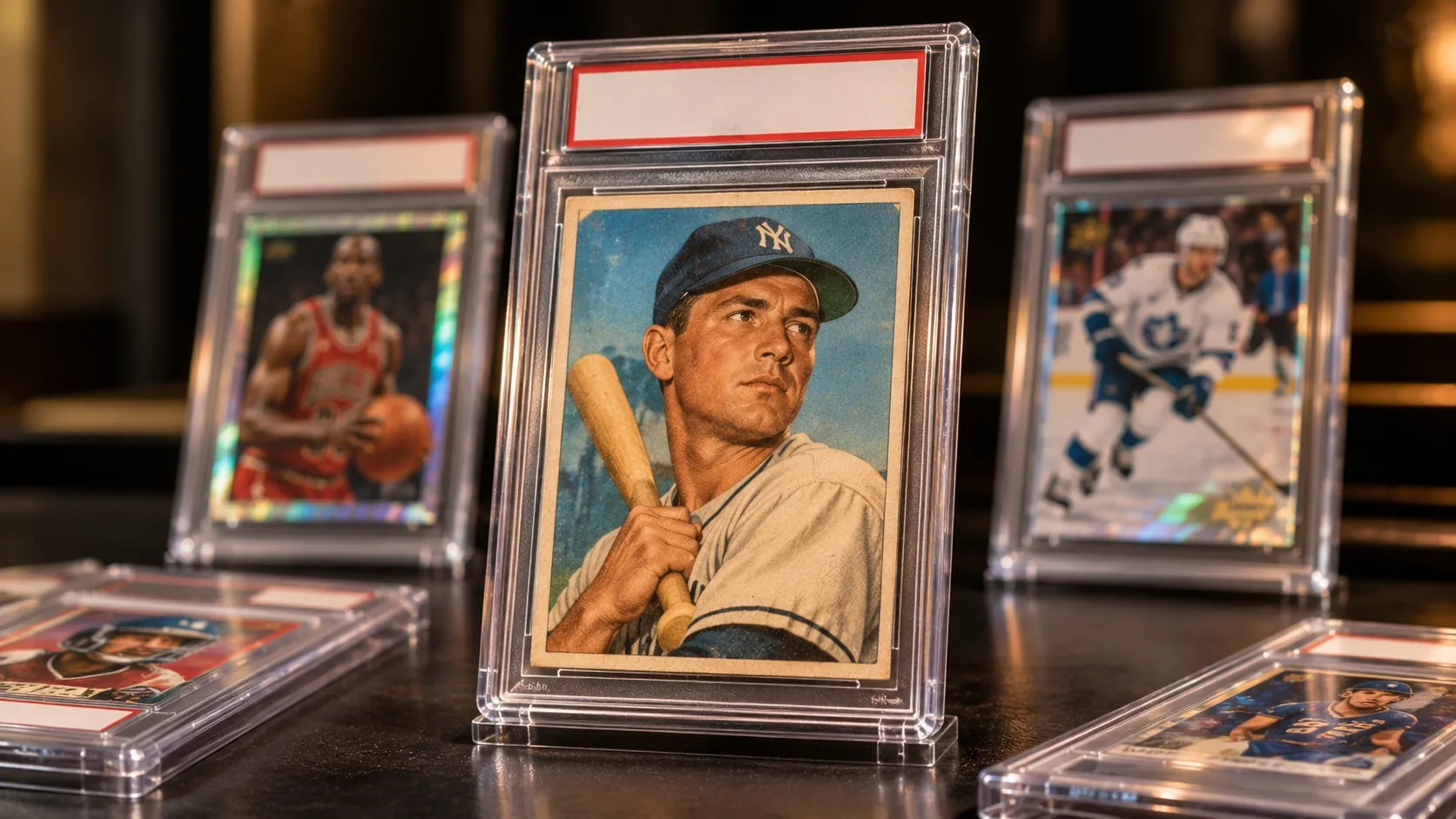
In the early hours of 28 August 2022, in a Heritage Auctions sale that ran past midnight, a small rectangle of cardboard sold for $12.6 million. It was a 1952 Topps Mickey Mantle, graded Mint+ 9.5 by SGC, the finest known example of the most famous baseball card ever made.
The price, including the buyer’s premium, made it the most expensive sports card ever sold at auction and the most expensive piece of sports memorabilia of any kind. A few weeks earlier, a 1909–11 T206 Honus Wagner had changed hands in a private sale for $7.25 million. In the space of a single summer, two pieces of printed cardboard had outpriced almost everything else a collector could buy.
It was a strange moment, and a revealing one. Sports cards were once the cheapest thing a child could collect: a few cents a pack, gum included, traded in schoolyards and kept in shoeboxes.
Today the finest examples sit in the same conversation as vintage watches and rare wines bought by serious collectors, stored in safes, insured, and sold at the great auction houses. This is the story of how that happened, and of what separates a true blue-chip card from the millions that will never be worth more than the paper they are printed on.
From the Schoolyard to the Auction Room
The trading card began, unglamorously, as advertising. In the late nineteenth century, tobacco companies slipped small printed cards into cigarette packets to stiffen them and to give smokers something to look at.
The most famous of these, the T206 set issued between 1909 and 1911, included a portrait of Honus Wagner, the Pittsburgh Pirates shortstop. Wagner, by most accounts, objected to his image being used to sell tobacco, and his card was pulled from production early.
Only a small number survived, and scarcity did the rest. The T206 Wagner became the hobby’s first legend the card every collector knew about, even if almost none had ever seen one.
Baseball cards proper arrived with the chewing-gum companies of the 1930s, and then, decisively, with Topps in 1952. The 1952 Topps set was the first modern baseball card set: large, colourful, with a player photograph, statistics and a facsimile autograph.
It was also, by accident, rare. The high-number series, cards 311 to 407 which included Mantle, at number 311, was printed late in the season and reached shops too late to sell. Unsold cases were, famously, dumped into the Atlantic.
The cards that survived did so because a few children kept them, and because a few dealers held them back.
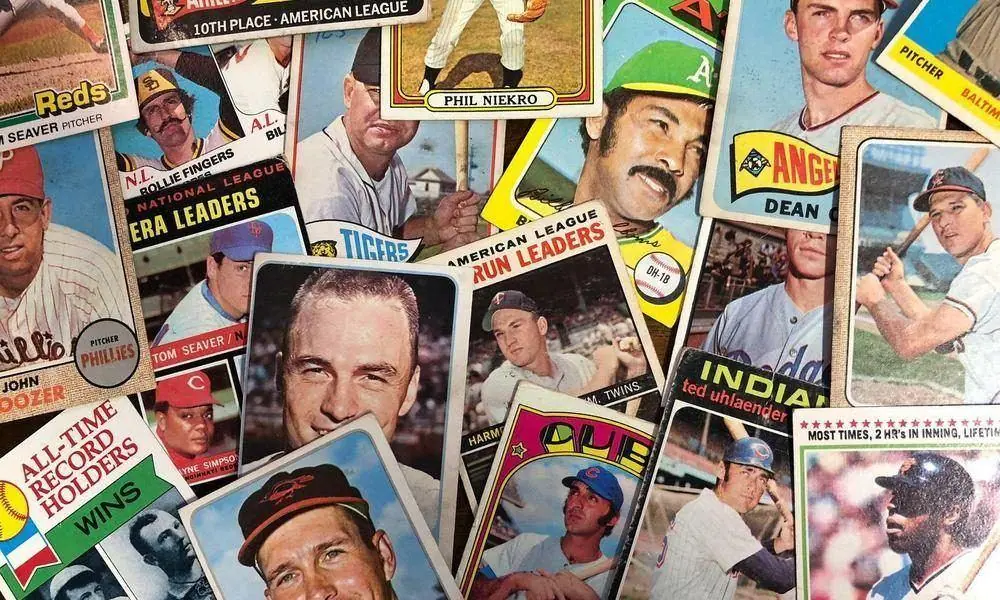
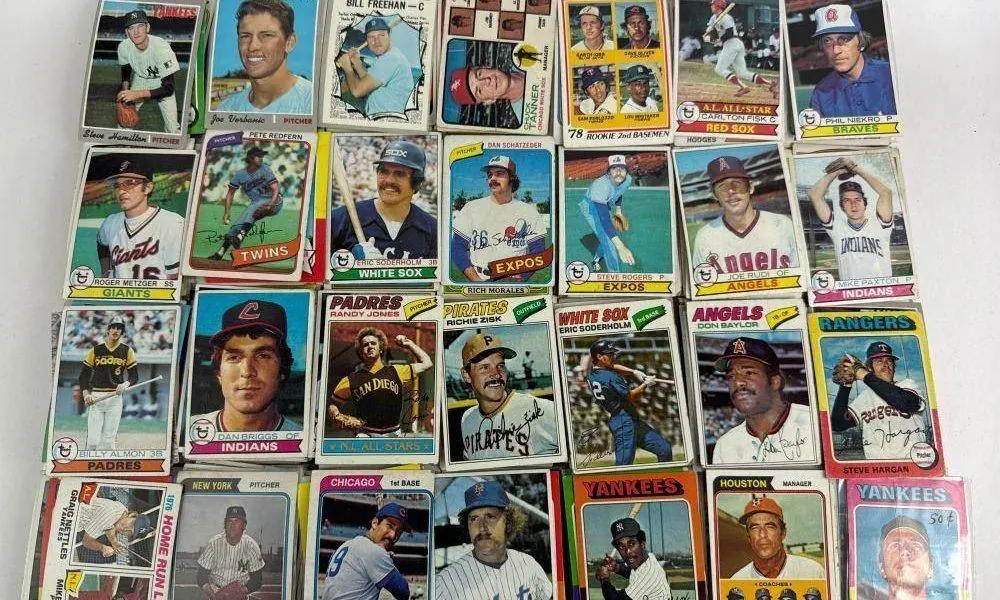
For decades the hobby stayed small. Cards were collected by children, then by the adults those children became, and prices rose slowly through the 1970s and 1980s. Then came the boom and the bust: in the late 1980s and early 1990s, card companies printed in enormous quantities, and the market collapsed under its own supply.
The “junk wax” era taught the hobby its hardest lesson: a card is only worth something if not everyone has one.
The Record Book
The modern record book begins, really, in January 2021, when a 1952 Topps Mantle graded PSA 9 sold for $5.2 million then a record for a sports card.
Three months later, a 2003–04 Upper Deck Exquisite Rookie Patch Autograph of LeBron James, graded BGS 9 and numbered 07 of 23, matched it in a $5.2 million private sale brokered by PWCC Marketplace.
The two sales, a vintage icon and a modern superstar, tied at the same figure, and the hobby understood that something had changed.
The Wagner followed. In August 2022, a T206 Honus Wagner sold privately through Goldin for $7.25 million, briefly the highest price ever paid for a sports card. It held the record for only a few weeks.
On 28 August 2022, the SGC 9.5 Mantle the finest known example, from the famous Rosen find of 1985, held by one collector for thirty-one years reached $12.6 million at Heritage, including the buyer’s premium.
It remains the most expensive sports card ever sold at auction, and the most expensive sports collectible of any kind sold at auction, passing the $9.3 million paid earlier that year for Diego Maradona’s 1986 World Cup shirt.
What is striking about the record book is how short it is, and how much of it belongs to a handful of names: Mantle, Wagner, LeBron James, Michael Jordan. The cards that command the highest prices are not merely rare; they are the cards of players whose names need no introduction, in the condition that almost no copy survives in.
What Makes a Card Blue-Chip
Collectors use the term “blue-chip” the way investors do: for the assets that hold their value through every cycle. In cards, four qualities decide whether a card belongs in that company.
The first is scarcity, and it comes in two kinds. There is the scarcity of age the T206 Wagner, printed in tiny numbers and then withdrawn, or the 1952 Mantle high numbers, printed late and largely destroyed. And there is the scarcity of manufacture: modern cards deliberately printed in small, numbered runs.
The LeBron Exquisite rookie patch autograph exists in only twenty-three copies. In both cases the supply is fixed, and it is small.
The second is the player. Cards are, in the end, portraits, and their value follows the same logic as any portrait market. The players who command the highest prices are the ones whose greatness is settled the all-time greats, the record-breakers, the figures who defined their sport.
Rookie cards matter most of all, because a rookie card is the first portrait, the beginning of the story. A star’s second-year card may be beautiful; it is rarely the one collectors fight over.
Condition and Provenance: What Makes a Card Valuable
The third is condition. A card is a fragile object: thin cardboard, sharp corners, glossy surfaces that mark at a touch. Most cards from the 1950s and 1960s were handled by children, carried in pockets, clipped to bicycle spokes.
A copy that survives with sharp corners, bright colour and clean centring is an exception, and the market prices the exception. The difference between a grade of 8 and a grade of 9 can be tens of thousands of dollars; between 9 and 9.5, millions. Condition is where the record prices are made.
The fourth is provenance. A card with a known story pulled from a famous find, held by one collector for decades, sold once at a celebrated auction carries a premium over an identical copy with no history.
The $12.6 million Mantle was not only the finest known example; it was a Rosen find card, bought in 1991 for $50,000, held for thirty-one years. Collectors pay for the story as well as the cardboard.
Grading: The Slab Changes Everything
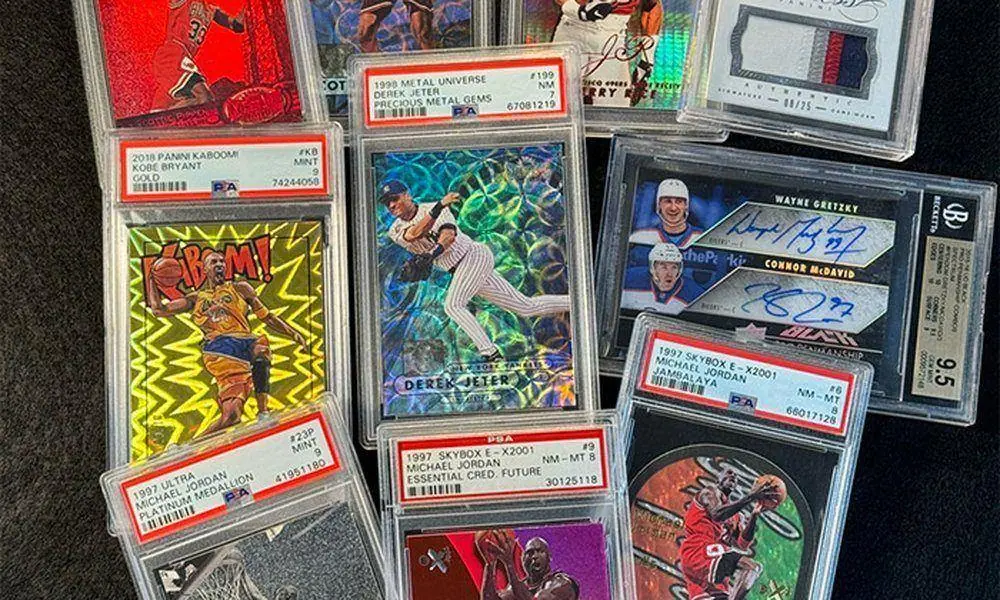
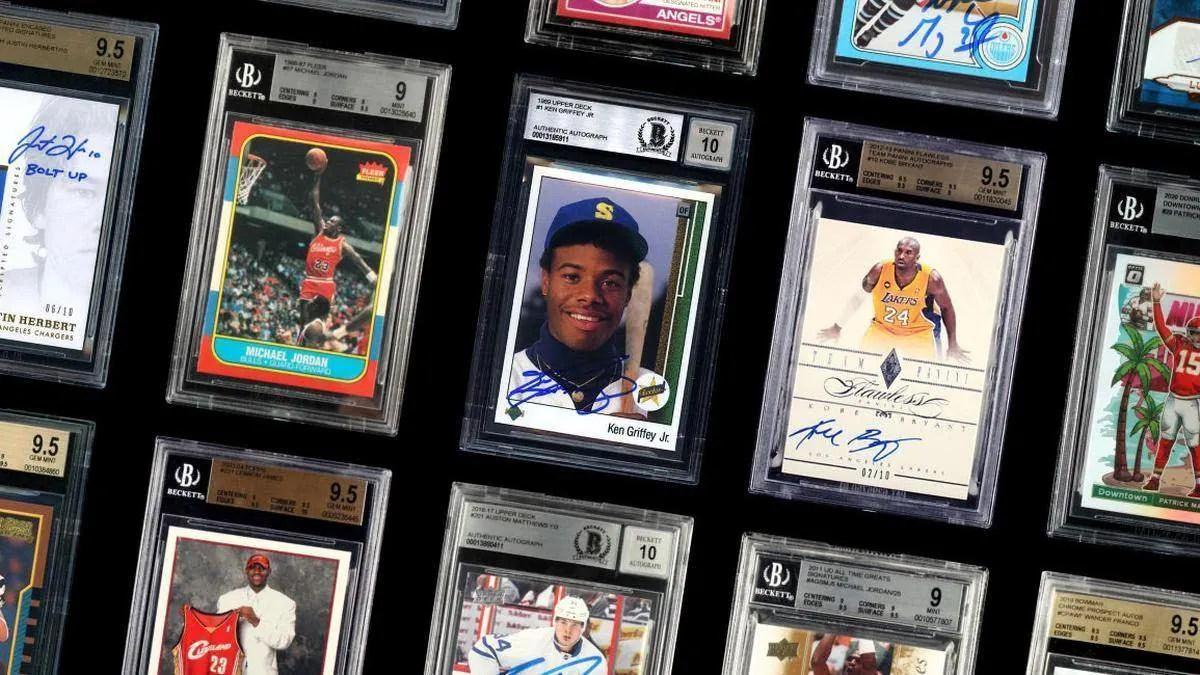
None of this would work without grading. For most of the hobby’s history, condition was a matter of opinion: one dealer’s “near mint” was another’s “excellent.” The arrival of third-party grading companies, Professional Sports Authenticator (PSA), Sportscard Guaranty Corporation (SGC) and Beckett Grading Services (BGS) changed that.
A card is now sent to an independent company, examined under magnification, scored on centring, corners, edges and surface, sealed in a tamper-evident plastic slab, and given a number from 1 to 10. The number is printed on the label. The argument is over.
Grading did two things. First, it made cards tradeable at a distance: a buyer in Tokyo can trust a PSA 10 the way a buyer in New York can, without ever holding the card. Second, it made condition visible and comparable, which is what allows a market to form around it.
The slab is, in effect, the card’s certificate of authenticity and its condition report in one object. It is also, for the best cards, part of the display: a graded card is an object in its own right, made to be looked at.
Vintage and Modern: Two Markets in One Hobby

It helps to understand that there are really two card markets, and they behave differently.
The vintage market roughly, cards printed before 1980 is a market of survival. Nobody knows exactly how many 1952 Mantles exist in high grade, because nobody can count the ones lost to attics and floods.
Supply can only shrink, and prices move slowly, on scarcity and nostalgia as much as on sport. Population reports from the grading companies show how many copies exist at each grade, so a buyer knows precisely how rare the card in front of them is.
The modern market cards from the late 1990s onward is a market of manufacture. Card companies now design scarcity in: numbered parallels, autographs, pieces of game-worn jersey embedded in the card, and one-of-one editions.
It moves fast: a young player’s breakout season can multiply a card’s value in weeks, and an injury or a trade can cut it just as quickly. It is also where most new collectors begin, because the cards are available, the players are familiar, and the thrill of the pack is still the hobby’s engine.
The two markets meet in the middle, in the 1980s. The 1986 Fleer basketball set, which contains Michael Jordan’s rookie card, is the hinge: old enough to be scarce in high grade, new enough to be widely collected, and tied to the most marketable athlete of the modern era. A PSA 10 Jordan rookie is one of the hobby’s great trophies, and its price has become a barometer for the market as a whole.
The Auction Room
The transformation of cards into blue-chip collectibles is visible, above all, in where they are sold. A decade ago, the great card sales happened in specialist hobby auctions.
Today they happen at Heritage, Goldin and Fanatics Collect and increasingly at the traditional houses as well. The same rooms that sell paintings and jewels now sell cardboard, and the same collectors’ instincts apply: provenance, condition, rarity, and the quiet competition of the saleroom.
The auction houses have also changed how cards are presented. A record card is no longer a lot number in a catalogue; it is an event, with previews, press coverage and extended bidding that runs past midnight.
The Mantle sale drew bidders from around the world and held the attention of people who had never bought a card in their lives. Every record sale brings new collectors in, and new collectors bring new money.
How Serious Collectors Actually Build
Talk to the people who have built the great collections and a pattern emerges, and it is not the pattern of speculation. They collect narrowly, and they collect patiently.
One player, one set, one era pursued for years, with a clear idea of what belongs and what does not. The collections that endure are the ones with a thesis, not the ones assembled from whatever was fashionable that month.
They also care for what they own. A card’s value lives in its condition, and condition is easily lost.
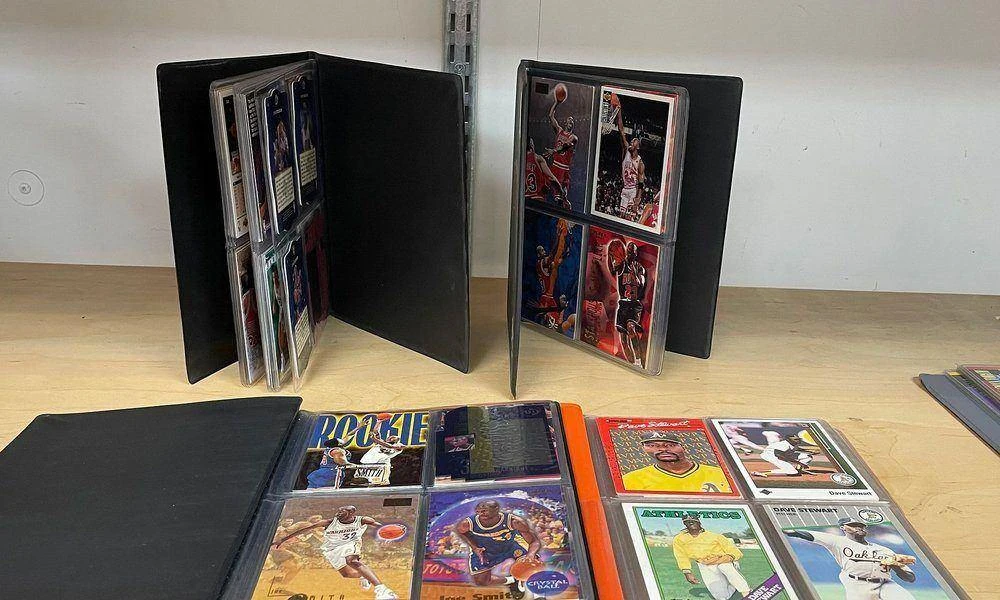
Serious collectors keep cards in graded slabs or in archival sleeves, stored upright, away from light, heat and humidity. Binders remain the home of the working collection, while the finest pieces live in safes and bank vaults. Insurance, once an afterthought in the hobby, is now a normal part of owning anything valuable.
They buy the best example they can afford, rather than several lesser ones. This is the oldest advice in collecting, and in cards it is also the most practical: the market rewards the finest copies far more than it rewards the merely good.
A single card in the highest grade will, over time, usually serve a collector better than a dozen in middling condition. It is also, simply, more pleasurable to own.
The Other Sports
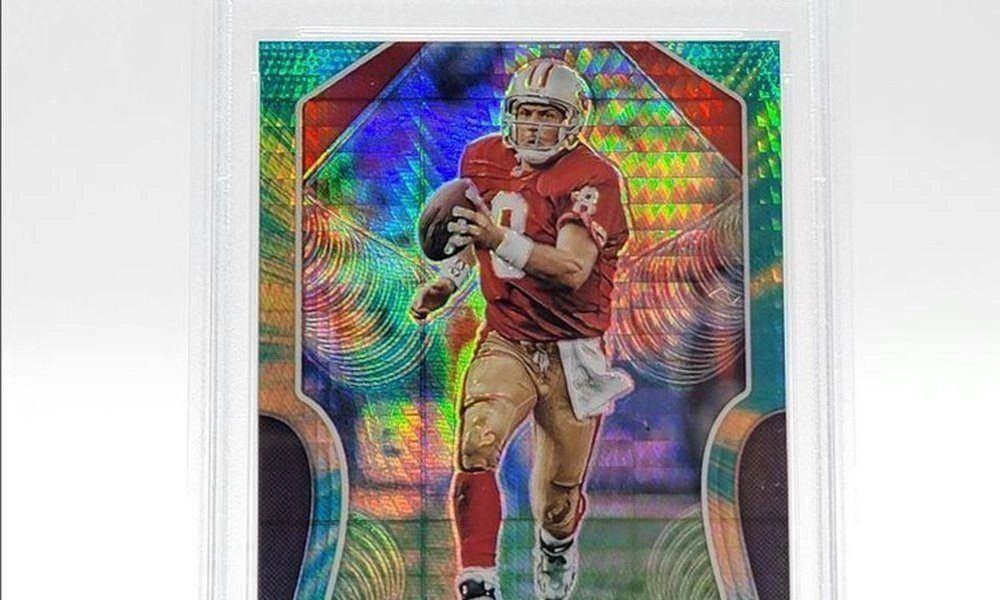
Baseball and basketball dominate the record book, but they are not the whole hobby. American football has its own blue chips the modern Prizm parallels and the great rookie patch autographs and the market for them has grown steadily as the sport’s popularity has.
Hockey’s crown is the 1979 O-Pee-Chee Wayne Gretzky rookie, the card of the sport’s greatest player, scarce in high grade because the set was printed with rough, easily damaged edges.
Soccer, long the poor relation of the card world, has come alive in the last few years as the global game has met the global collecting market; the rookie cards of the sport’s greats are now among the most sought-after modern issues.
The Risks, Honestly Stated
Any honest account of cards as collectibles has to include the risks, because they are real and they are not small.
The first is volatility. Modern cards, in particular, can lose most of their value quickly. A player’s form, an injury, a trade, a scandal any of these can move a price by half in a season. The vintage market is steadier, but it is not immune: prices for even the great cards have fallen from their peaks before, and they will again.
The second is authenticity. Wherever large sums are involved, fakes follow: counterfeit cards, trimmed cards, forged autographs.
This is the strongest argument for buying graded cards from reputable sellers and, for anything expensive, through an established auction house. The slab is not a guarantee, but it is a substantial defence.
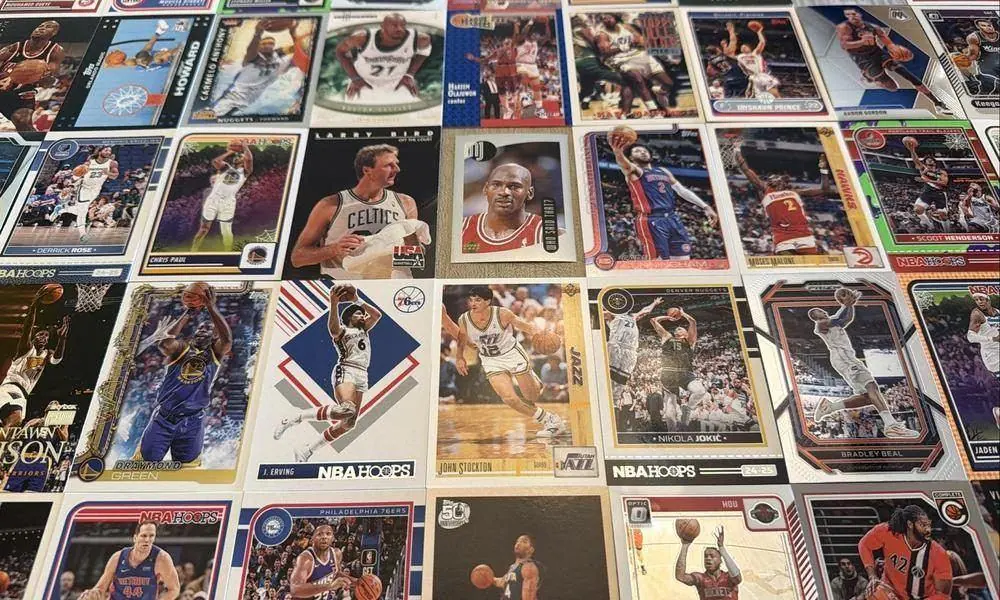
The third is overproduction. The junk-wax era is not ancient history; it is a warning. While the rarest modern parallels are genuinely scarce, the base cards of even the biggest stars are produced in numbers that make lasting value unlikely. A card that everyone can pull from a pack is a card that almost no one will pay a premium for later.
And the fourth is the simplest: cards are not an investment in the ordinary sense.
They pay no dividend, they earn no interest, and they are expensive to store, insure and sell. The people who have done best from cards are, overwhelmingly, the people who loved them first and thought about money second.
What to Look For, If You Start
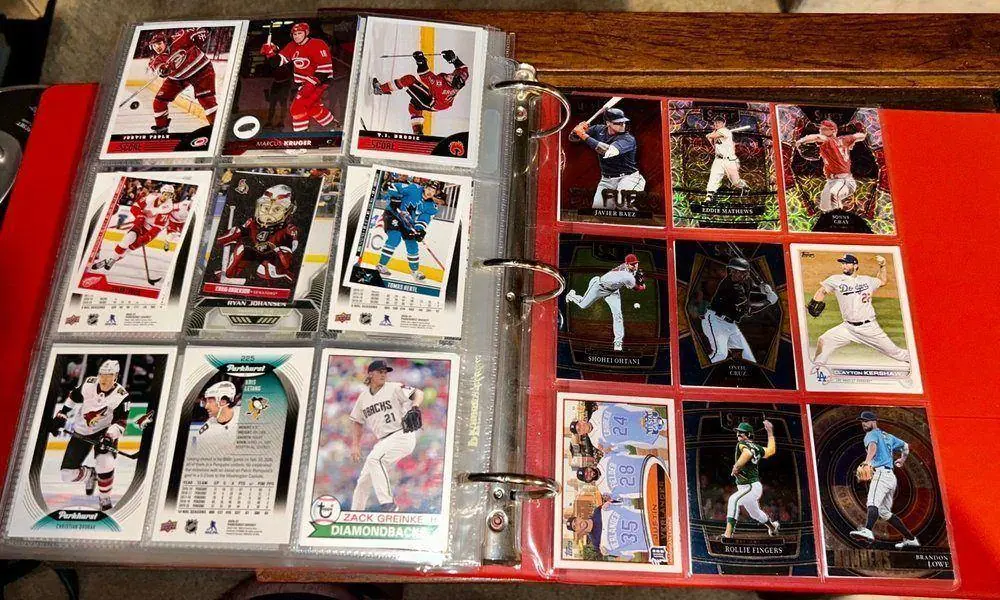
For someone coming to cards now, the sensible beginning is a narrow one. Choose a player, a team or a set that genuinely interests you, and learn it properly before spending seriously.
Read the population reports, handle cards in person at a show before buying online, and buy graded, from sellers with a reputation to lose. Set a budget that treats the money as spent on pleasure, not as an investment because whatever happens to prices, the pleasure is the part you keep.
Why Cards Belong in the Conversation
It is easy to be amused by the idea that a piece of cardboard could be worth $12.6 million, and the amusement is not entirely misplaced. But the same could be said of a watch that tells the time no better than a phone, or a painting that is, after all, only pigment on canvas. Collecting has never been about utility. It is about rarity, beauty, history and the human desire to own a piece of something that mattered.
By that measure, sports cards have earned their place. They combine genuine scarcity, a documented history, a global market and an emotional connection that spans generations: a Mantle card is the image of a player a grandfather watched, a father collected and a grandchild has heard about.
It is why the finest cards now sit comfortably alongside the other great collectibles, from the most expensive artworks by living artists to the most expensive handbags ever sold at auction and the most expensive whiskies ever sold at auction.
The auction rooms have noticed. The collectors have noticed. The cards, patiently, were there all along.
A card is a small thing to carry so much history, and that is rather the point. Whether you collect, or only admire from a little distance, there is something quietly wonderful about an object that fits in the palm of a hand and still holds a whole era inside it.
We hope this glimpse into the world of the great cards has given you a new way of looking at the small rectangles of cardboard that once came free with a stick of gum and that, the next time one catches your eye, you will pause for a moment and look a little closer.