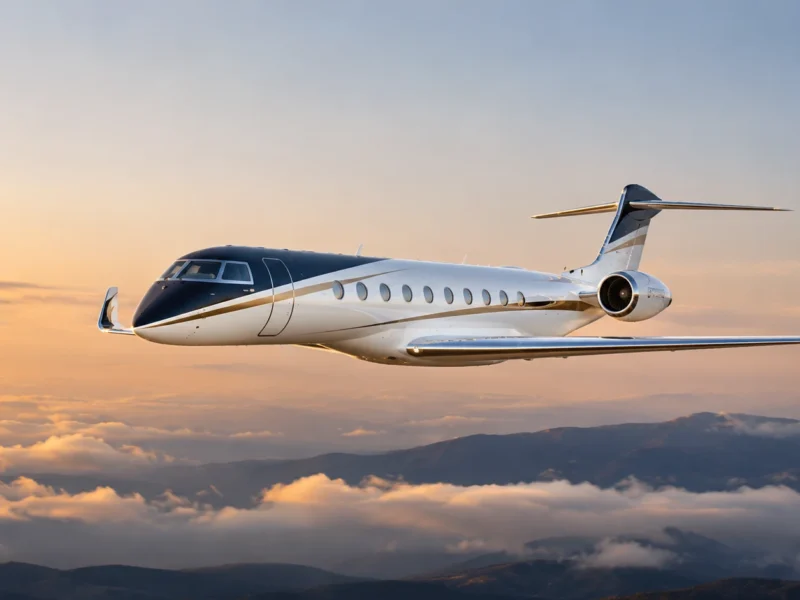
In 2019, a Bombardier Global 7500 flew from Singapore to Tucson, Arizona more than 8,000 nautical miles without stopping, setting a business-aviation distance record that announced a new era. When the type entered service in December 2018, it became the largest and longest-range purpose-built business jet ever delivered, and it spent the following years doing the one thing marketing departments cannot fake: flying city pairs no business jet had flown before.
Today the Global 7500 occupies an unusual and interesting position. Its successor, the Global 8000, entered service in December 2025 as the fastest civilian aircraft since Concorde. Yet the 7500’s story is far from over and for buyers, it may be getting more interesting, not less.
The Four-Zone Idea
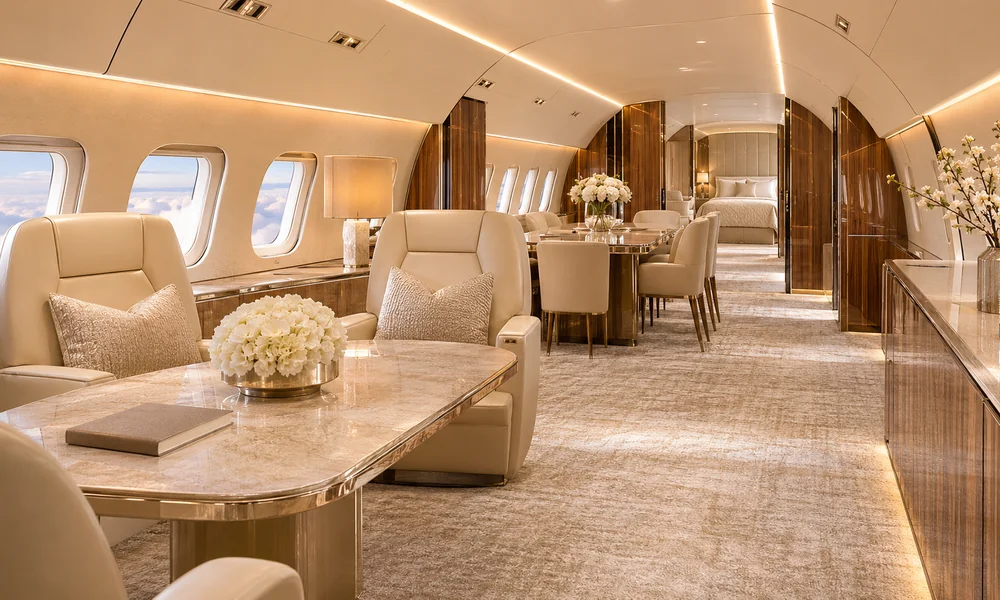
The Global 7500’s signature innovation was not a number but a floor plan. Bombardier divided its 54-foot cabin into four distinct living spaces a club suite, a conference and dining suite, an entertainment suite, and a private rear stateroom with an available full-size bed and en-suite shower.
It sounds obvious now. In 2018, treating a business jet as a small apartment with a deliberate sequence of rooms was a genuine conceptual step, and it pushed the entire industry Gulfstream’s five-area G700 included to think harder about how people actually live through a 14-hour flight.
Details carried the theme. The Nuage seat, developed in-house, was the first new business-jet seat architecture in years, designed around how bodies actually rest. The Smooth Flĕx Wing gave the aircraft both its long legs and a notably composed ride in turbulence. And the cabin altitude and acoustic levels were tuned for the same goal as every great long-range machine: passengers who arrive human.
Range as a Way of Life
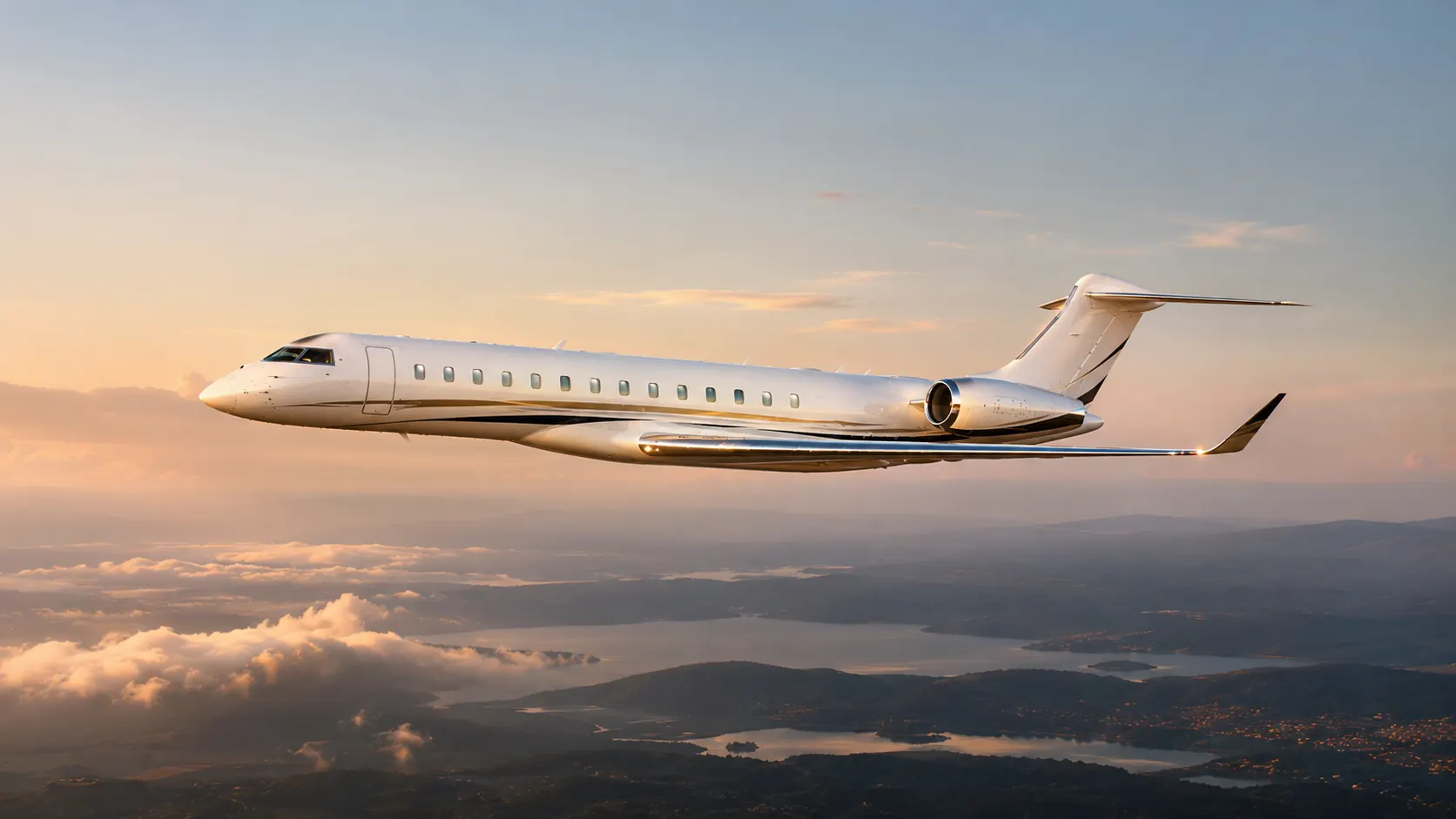
The certified figure 7,700 nautical miles at Mach 0.85, with a top speed of Mach 0.925 translates into the routes that define its owners’ lives: New York to Hong Kong at the edge, London to Singapore comfortably, São Paulo to Paris without thought.
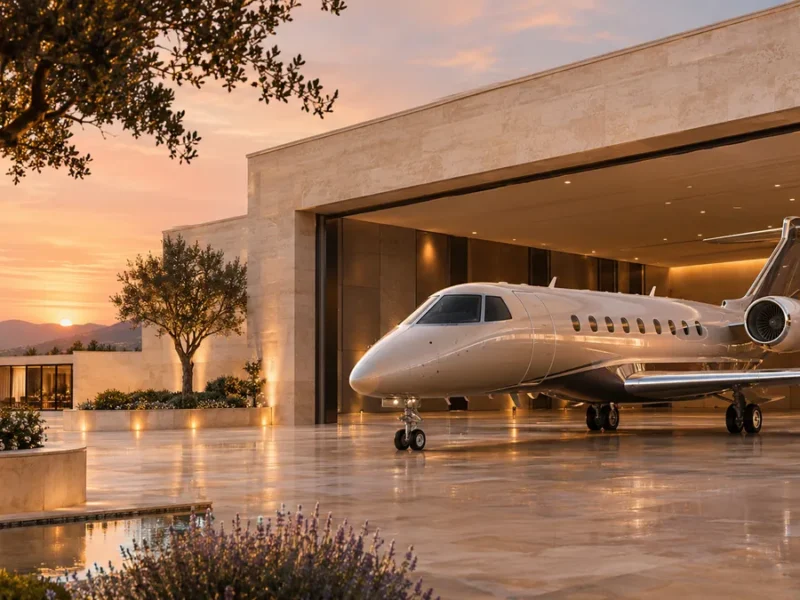
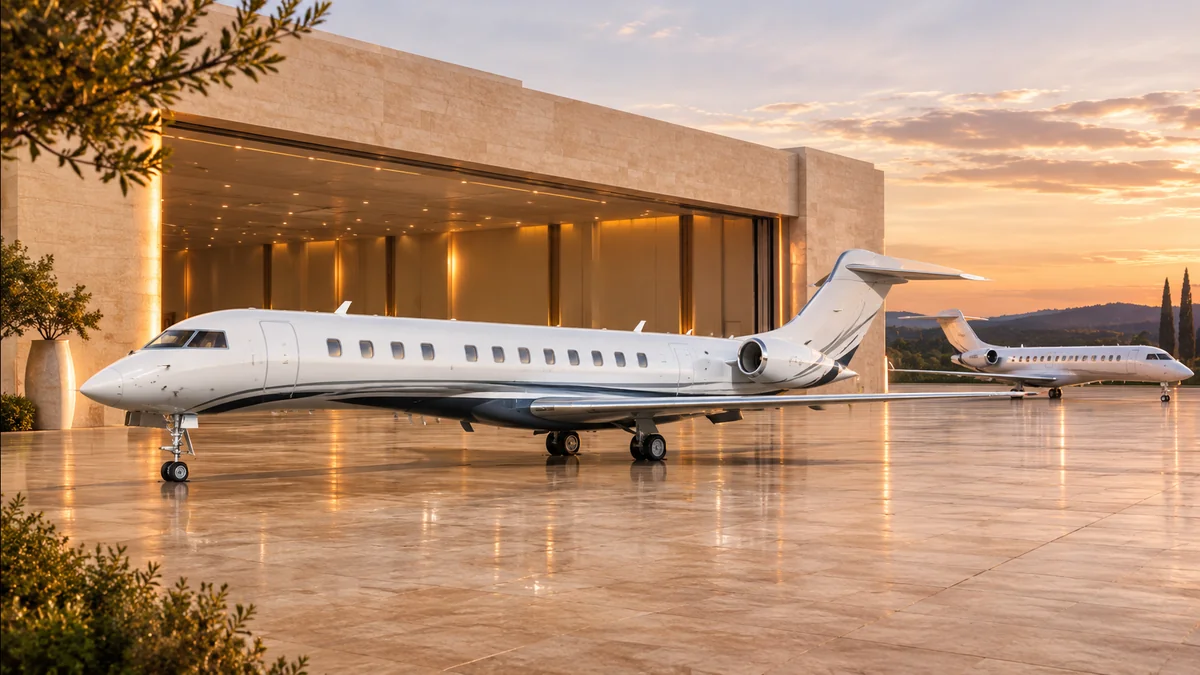
Fleet operators built products around it; NetJets made Globals a cornerstone of its long-range offering, and the airframe became a familiar sight at Teterboro, Farnborough, and Van Nuys.
Speed records accumulated quietly in the background city-pair marks between the world’s financial capitals, the kind of résumé that matters to buyers who measure their days in hours.
Enter the 8000 — and the Opportunity
In December 2025, Bombardier celebrated the Global 8000’s entry into service, with NetJets as a fleet launch customer. The 8000 keeps the 7500’s fuselage and four-zone cabin but stretches range to 8,000 nautical miles, lifts maximum speed to Mach 0.95, and lowers cabin altitude to an industry-best figure. Two facts matter for anyone watching the 7500 now.
First, the 8000 is an evolution, not a replacement in spirit: Bombardier offers existing 7500s a service-bulletin upgrade path to 8000 configuration roughly a week’s modification which speaks to how sound the underlying platform is. Second, every flagship transition in aviation history has done the same thing to its predecessor’s market: it has created a window.
As new-production attention shifts to the 8000, well-kept 7500s become the value play of the ultra-long-range class the aircraft with the proven record, the mature support network, and the softer price.
The Honest Case, Seven Years In
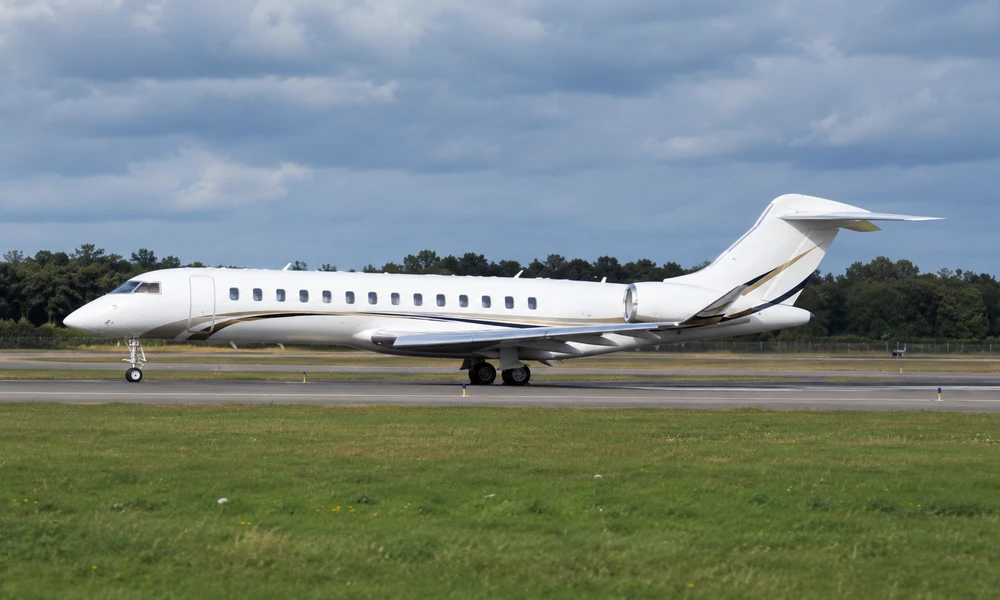
A new Global 7500 listed around the high-$70 million range in its later production years; a new Global 8000 lists in the $78–82 million range. Operating either costs several million dollars a year flown properly. The 7500’s cabin cross-section is smaller than the G700’s, and buyers who prioritize cabin width over speed and range will still walk across the ramp to Savannah’s finest.
But judged by what it was built to do connect any two business capitals on earth with a shower, a bed, and four rooms of civilized space the Global 7500 did not merely succeed. It redrew the category’s map, and its successor’s existence is the highest compliment an aircraft can receive.
FAQs
What is the Global 7500’s range?
7,700 nautical miles at Mach 0.85; the newer Global 8000 extends the same airframe to 8,000 nautical miles.
Is the Global 7500 still in production?
Bombardier has transitioned the line to the Global 8000, which entered service in December 2025; 7500s can be upgraded to 8000 configuration via a roughly one-week service bulletin.
How many passengers does it carry?
Up to 19; typical configurations seat 13–17 across four living zones.
How does it compare to the Gulfstream G700?
The G700 offers a wider, longer cabin (7,750 nm range); the 7500 counters with a slightly higher top speed (Mach 0.925) and its four-zone cabin concept. Both define the class.
Disclaimer: This content is for informational purposes only and reflects our personal opinions and experiences. We just love to write and share what we know and research.