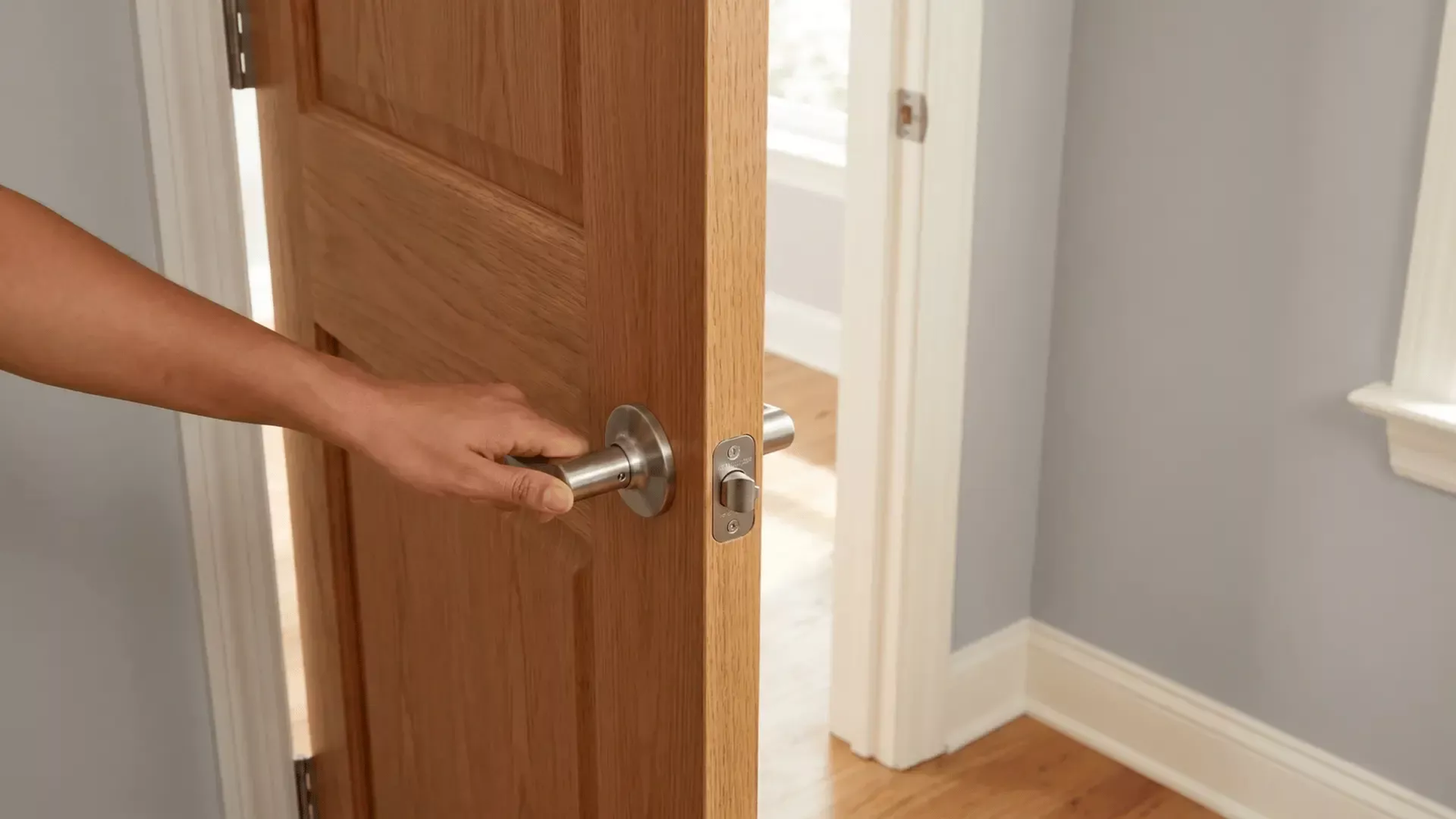
A door that has started to sag rarely announces the problem dramatically. More often, it begins with a slight scrape against the frame, a latch that no longer lines up perfectly, or a gap that seems to have appeared overnight.
Fortunately, a sagging door is usually an alignment problem rather than a reason to replace the entire door.
With a few careful adjustments, you can often restore the door’s movement, close the gaps and bring the original hardware back into proper alignment.
What Causes a Door to Sag?
Most sagging doors are affected by the hinges or the structure supporting them.
Over time, repeated opening and closing can loosen hinge screws. Wooden frames can also soften around the screw holes, particularly on heavier doors. In other cases, a hinge may become worn, bent or slightly displaced.
Humidity and seasonal changes can add another complication. Wood expands and contracts, which can subtly alter the relationship between the door, hinges and frame.
Before reaching for tools, look closely at the door.
If the top corner on the latch side is dropping toward the frame, the hinges are one of the first places to investigate.
Start With the Hinges
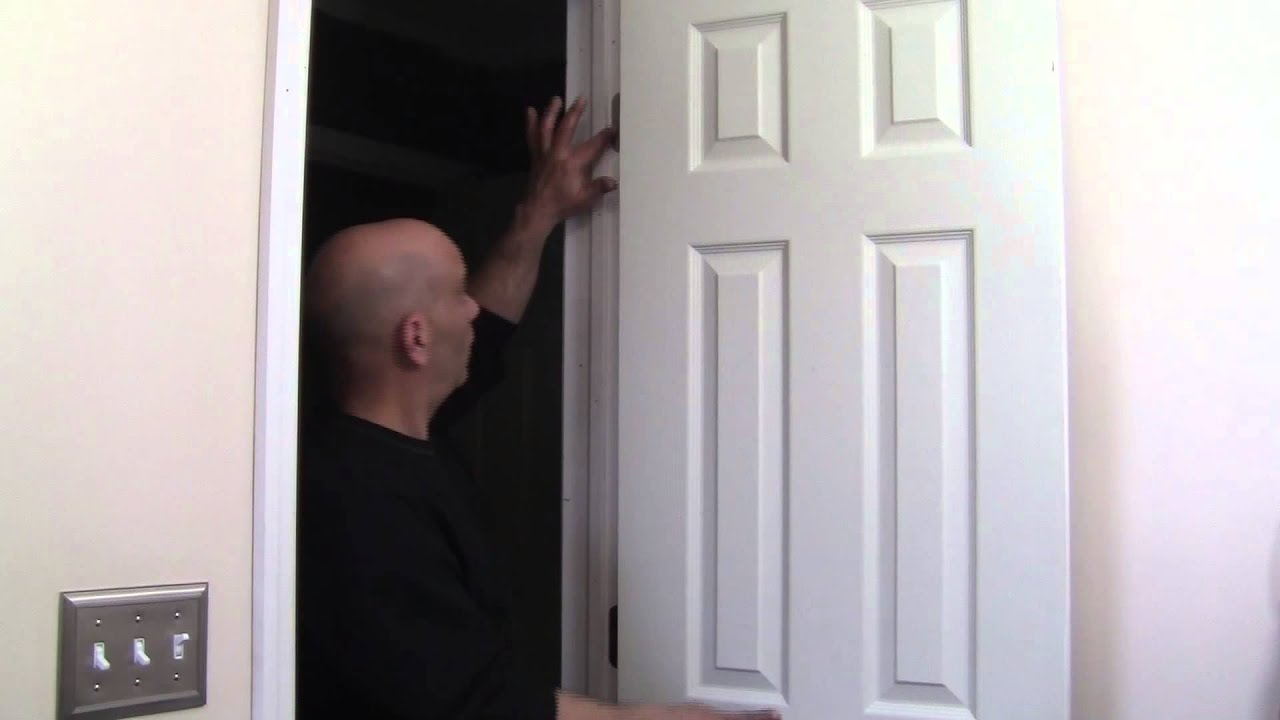
Open the door and inspect each hinge.
Look for:
- Loose screws
- Gaps between the hinge and frame
- Bent hinge leaves
- Missing screws
- Wood that looks damaged around the screw holes
Start with the top hinge, since it carries considerable weight and can have a noticeable effect on the door’s alignment.
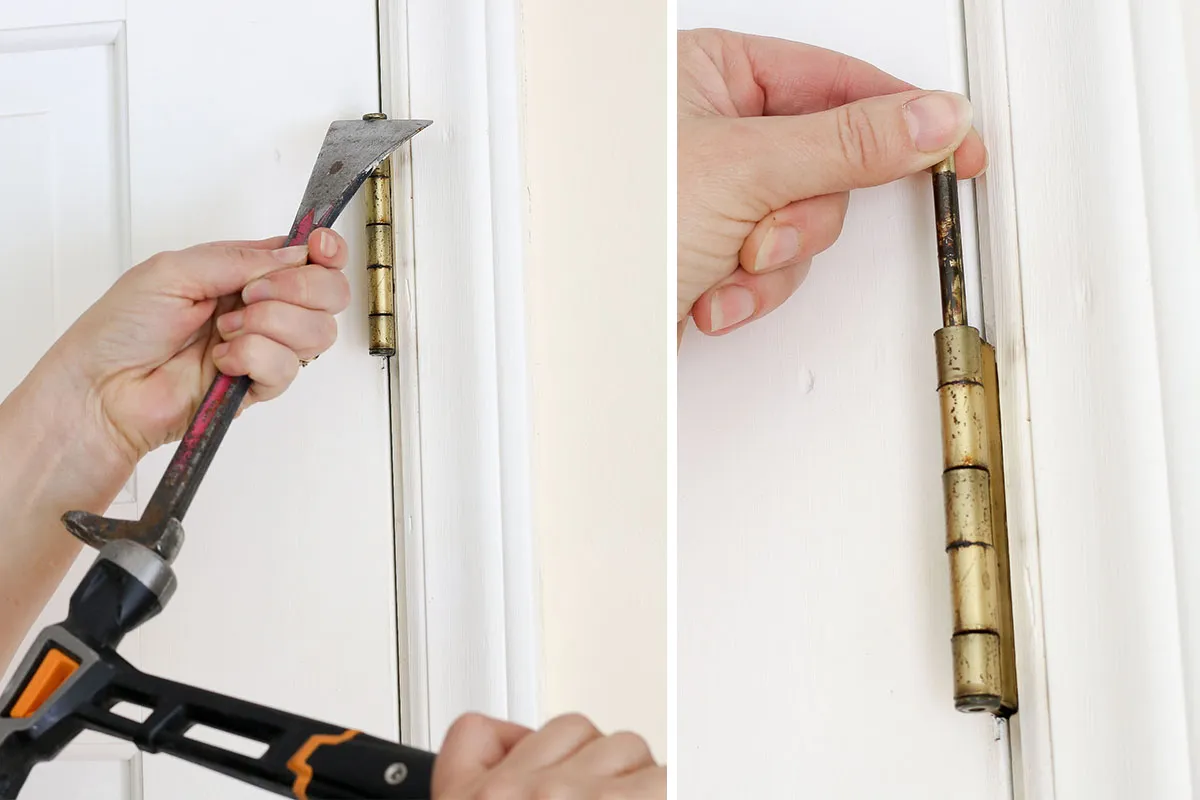
Tighten the existing screws carefully. Work slowly rather than forcing them, especially if the frame is made from softer wood.
Close the door and check the alignment.
Sometimes, that small adjustment is enough.
When a Hinge Screw Will Not Tighten
A screw that keeps spinning without becoming firm usually means the wood around the hole has lost its grip.
Simply tightening the same screw harder will not solve the problem.
A better approach is to remove the loose screw and repair the hole before reinstalling the hinge.
For a minor stripped hole, a suitable wood-repair method can restore enough material for the screw to grip again. On a heavier door, however, it is often more effective to use a longer screw that reaches solid framing behind the door jamb.
The goal is not simply to make the screw tighter.
It is to give the hinge solid material to hold onto.
Adjusting the Top Hinge
If the door still sits low after tightening the hardware, the top hinge deserves particular attention.
A properly secured top hinge can pull the upper portion of the door back toward its intended position.
Make small adjustments and test the door after each one.
You are looking for three things:
- The door should swing freely.
- The gap around the door should look reasonably even.
- The latch should meet the strike plate without excessive pressure.
Avoid making several large adjustments at once. Door alignment is easier to understand when you change one thing and observe the result.
Check the Door Frame
Sometimes the door isn’t the real problem.
The frame itself may have shifted, particularly in older homes or after repeated movement, moisture exposure or building settlement.
Look at the gap between the door and frame from top to bottom.
An uneven gap can reveal where the alignment has changed.
If the hinges appear secure but the frame has moved substantially, simply adjusting the door hardware may not provide a lasting solution.
What If the Door Rubs Against the Frame?
Where the door makes contact can provide a useful clue.
If the upper latch-side corner is rubbing, hinge alignment is a likely starting point.
If the door is rubbing along a larger section of the frame, the issue may involve the frame, swelling of the wood or a change in the door itself.
Don’t immediately start sanding the door.
First determine why the door moved.
Removing material can solve the immediate rubbing while leaving the underlying alignment problem untouched.
When Should You Replace the Hinges?
Hinges can wear out.
If a hinge is visibly bent, damaged, excessively loose or no longer moves smoothly, replacing it may be more sensible than trying to compensate for it with repeated adjustments.
When replacing a hinge, match the important dimensions and screw-hole positions as closely as possible.
For a heavy solid-wood door, make sure the replacement hardware is appropriate for the door’s weight.
A Small Problem With a Surprisingly Simple Solution
One of the pleasures of maintaining a home is discovering that an annoying problem does not always require an expensive solution.
A sagging door can make an otherwise beautiful room feel slightly neglected.” “Beautiful room” is a generic anchor. If you’d prefer a more descriptive one, rewrite it to “an otherwise well-designed room” and link “well-designed room” or “modern interior”.
Correcting them can make the room feel quietly more finished.
And that is often the essence of good home maintenance: not constantly replacing things, but knowing when something simply needs to be brought back into balance.
How to Prevent a Door From Sagging Again
Once the door is aligned, prevention is relatively straightforward.
Check the hinges occasionally, particularly on heavier doors. Address loose screws before the hinge begins moving significantly, and pay attention to changes in the gap around the door.
If the room experiences significant seasonal humidity changes, expect wooden doors and frames to move slightly.
Most importantly, don’t ignore small changes.
A door that begins rubbing today may become considerably harder to close several months later.
Frequently Asked Questions
Why does my door sag over time?
The most common causes include loose hinge screws, worn hinges, weakened wood around the hinge screws, movement in the door frame and changes in the wood caused by humidity.
Which hinge should I adjust first?
The top hinge is usually the best place to start when a door is sagging on the latch side. Tighten its screws and test the door before making additional adjustments.
Can longer screws fix a sagging door?
They can sometimes help when the existing hinge screws have lost their grip in the wood. A longer screw may reach stronger framing behind the jamb, but it should be appropriate for the door and frame.
Should I sand a door that is rubbing?
Not immediately. First determine whether the door has shifted because of the hinges or frame. Sanding may remove material without addressing the underlying alignment issue.
Can I fix a sagging door without removing it?
Often, yes. Tightening or replacing hinge screws can frequently be done with the door still installed.
When should I call a professional?
If the frame has significantly shifted, the door is extremely heavy, the surrounding wood is damaged, or hinge adjustments do not resolve the problem, professional inspection can prevent unnecessary damage.
The Quiet Art of Keeping a Home in Shape
A well-maintained home is rarely about everything looking brand new.
It is about the details working beautifully together.
A door that closes softly, follows its frame cleanly and moves without resistance is one of those details you may never consciously notice.
But when it is wrong, you notice immediately.
“It is about the details working beautifully together, much like the finishing touches in modern luxury interiors.