There are ingredients that quietly change the entire personality of a dish.
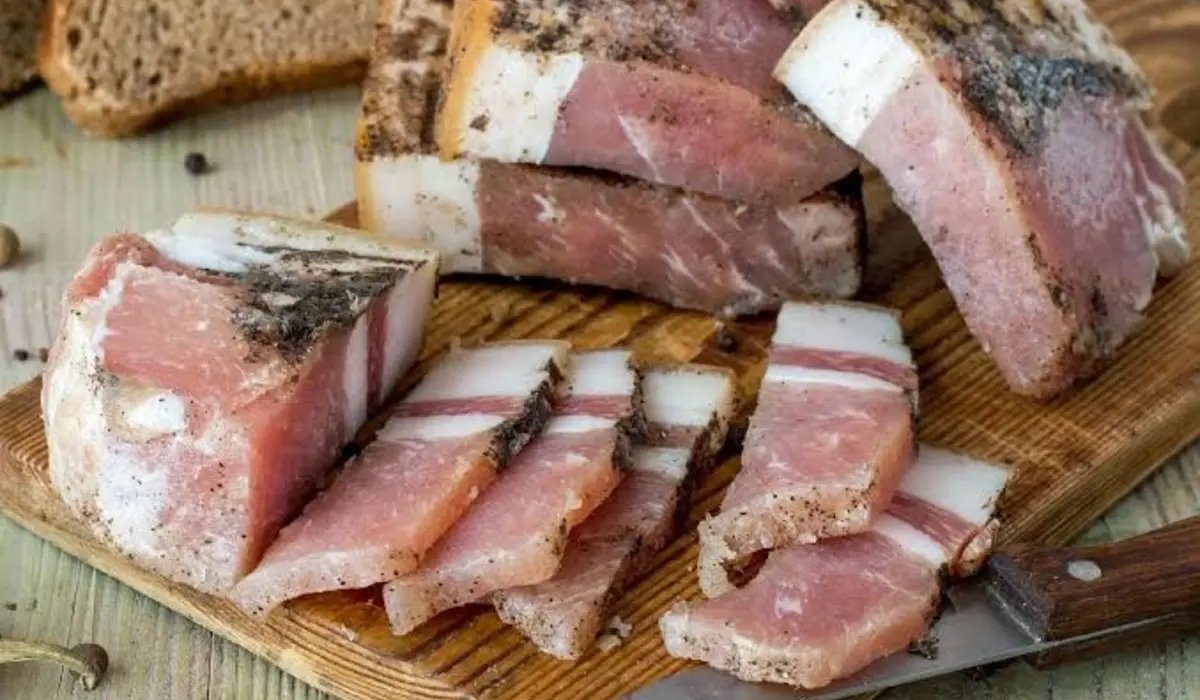
Guanciale is one of them.
You might know it because you’ve ordered carbonara in Rome, seen it mentioned on an Italian menu, or wondered why someone insisted that pancetta wasn’t quite the same thing.
But guanciale is more than an ingredient people argue about in pasta recipes.
It carries the taste of Lazio, Italian countryside cooking, old preservation traditions, and the simple idea that a few excellent ingredients can be enough for a remarkable meal.
What is guanciale?
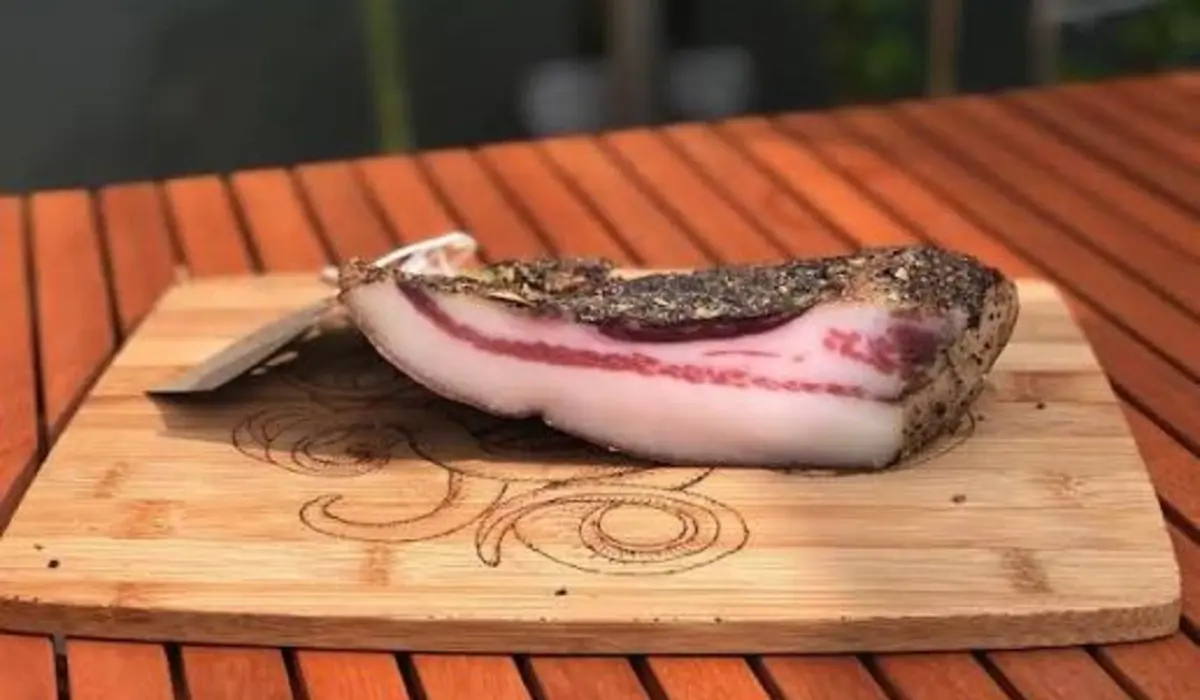
Guanciale is a cured Italian pork product traditionally made from the cheek or jowl of the pig.
The name comes from guancia, the Italian word for cheek.
It is seasoned and cured before being used in cooking. Traditional preparations can include salt, black pepper, chili and aromatic herbs, with regional variations. Italy’s official tourism site describes guanciale as a key ingredient of Lazio cuisine and traces its history to areas around Amatrice and Accumoli.
What makes it particularly special is its fat.
Guanciale has a rich fat content that slowly renders when heated, creating a flavorful cooking base for pasta and other dishes.
That rendered fat is one of the reasons a few pieces of guanciale can influence an entire pan.
Why is guanciale so important in Italian cooking?
Because Italian cooking often asks an ingredient to do more than one job.
Guanciale provides meat.
It provides fat.
It provides seasoning.
And when cooked, it creates the foundation for the sauce around it.
That is particularly obvious in classic Roman and Lazio pasta dishes.
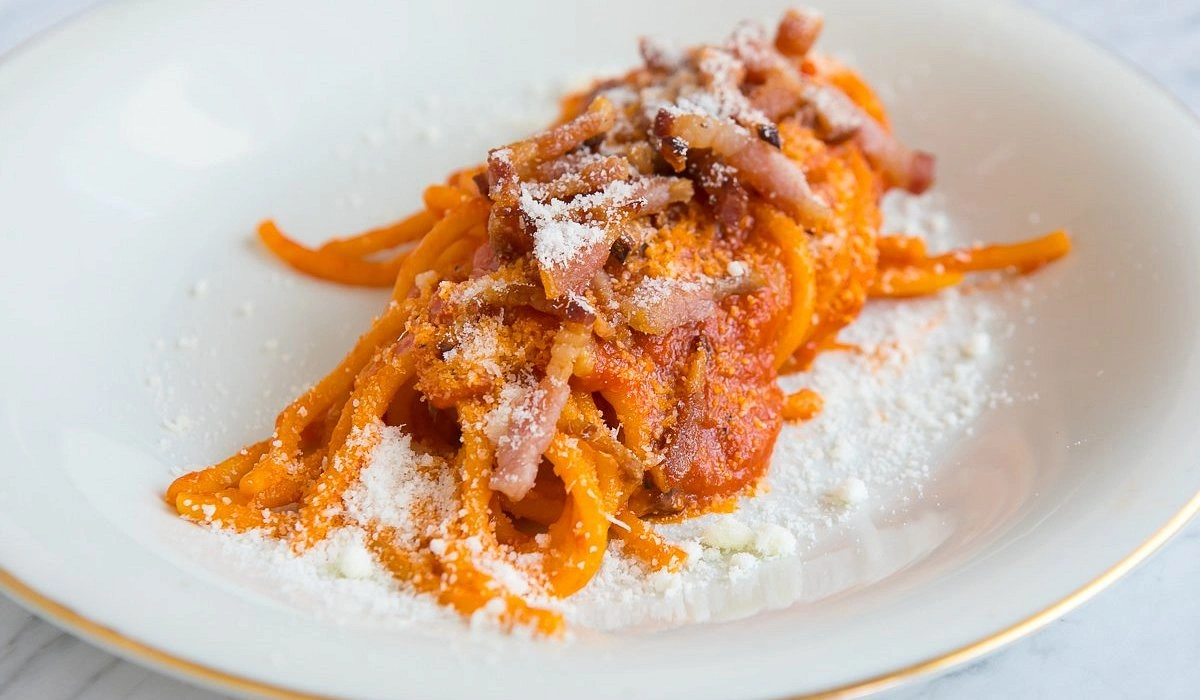
The official Italian tourism portal identifies guanciale as a key ingredient in carbonara and amatriciana, while also connecting it to pasta alla gricia.
Three famous dishes.
One remarkable ingredient.
Guanciale vs pancetta: what’s the difference?

This is probably the question most people ask first.
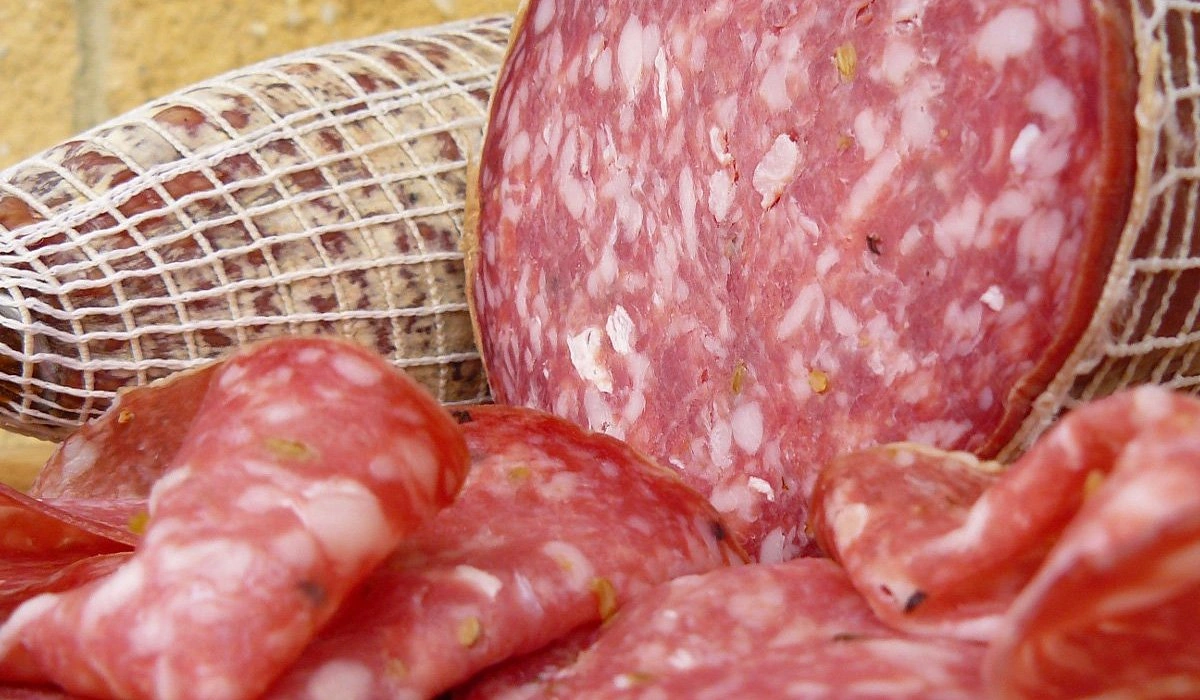
Both are cured pork products, but they come from different parts of the pig.
Guanciale comes from the cheek or jowl.
Pancetta comes from the pork belly.
That difference affects the fat, texture and flavor.
Guanciale is particularly prized for the way its fat renders during cooking. Pancetta can certainly be delicious and can work as a substitute in some recipes, but it does not produce exactly the same result.
And that’s why you sometimes hear Italian cooks become very particular about carbonara.
They’re not merely arguing about a shopping list.
They’re talking about how the ingredient changes the finished dish.
What does guanciale taste like?
Guanciale has a rich, savory and distinctly porky flavor, with seasoning and curing adding depth.
Its texture changes dramatically during cooking.
The exterior can become browned and crisp while the fat softens and renders into the pan.
That rendered fat becomes part of the sauce.
This is one reason guanciale can make a dish taste much more complex than its ingredient list suggests.
You don’t need a dozen seasonings.
The meat brings its own.
Why is guanciale used in carbonara?
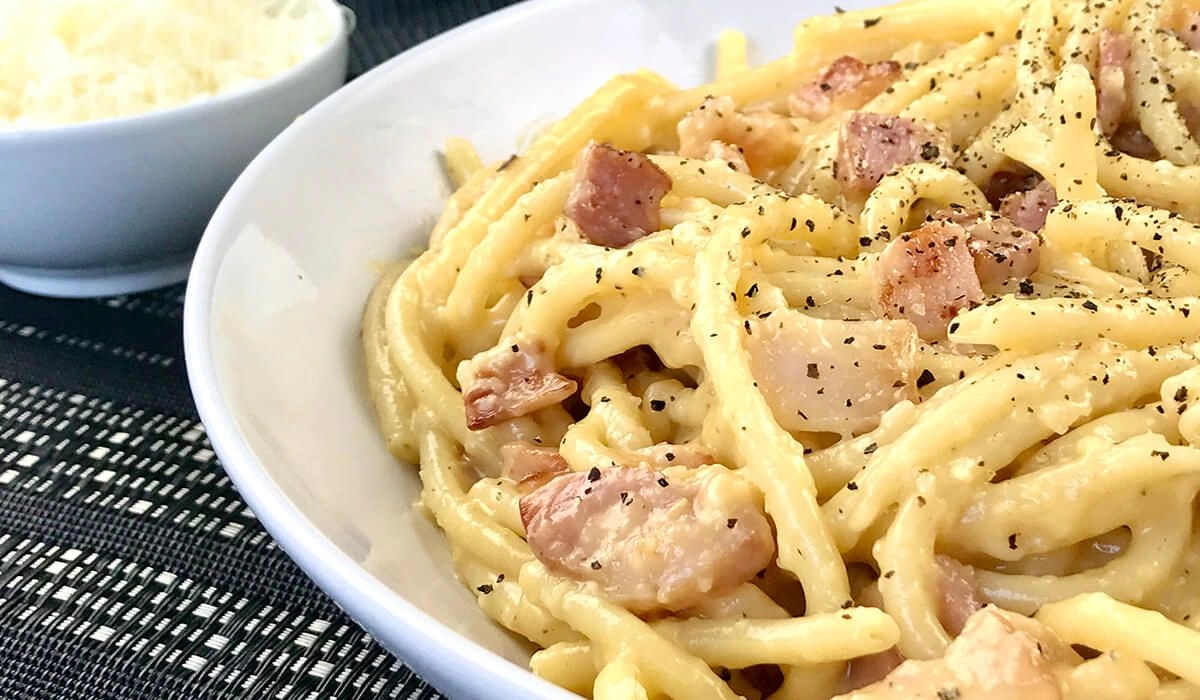
Because carbonara depends on a surprisingly small group of ingredients.
A traditional Roman-style carbonara centers on pasta, eggs, Pecorino Romano, black pepper and guanciale.
The guanciale is cooked first, allowing its fat to render.
The pasta then meets that flavorful fat.
Egg and cheese create the creamy texture.
And the result is a sauce that doesn’t need cream.
That last point surprises many people.
So where does the creaminess in carbonara come from?
Not cream.
It comes from the controlled combination of egg, cheese, rendered guanciale fat and starchy pasta water.
That mixture can form a glossy emulsion that coats the pasta.
The technique matters enormously.
If the eggs become too hot, you can end up with scrambled egg rather than the smooth sauce you wanted.
That’s why carbonara is such a beautiful example of Italian cooking.
Five basic ingredients can produce something incredibly luxurious when technique is respected.
What is guanciale doing in amatriciana?
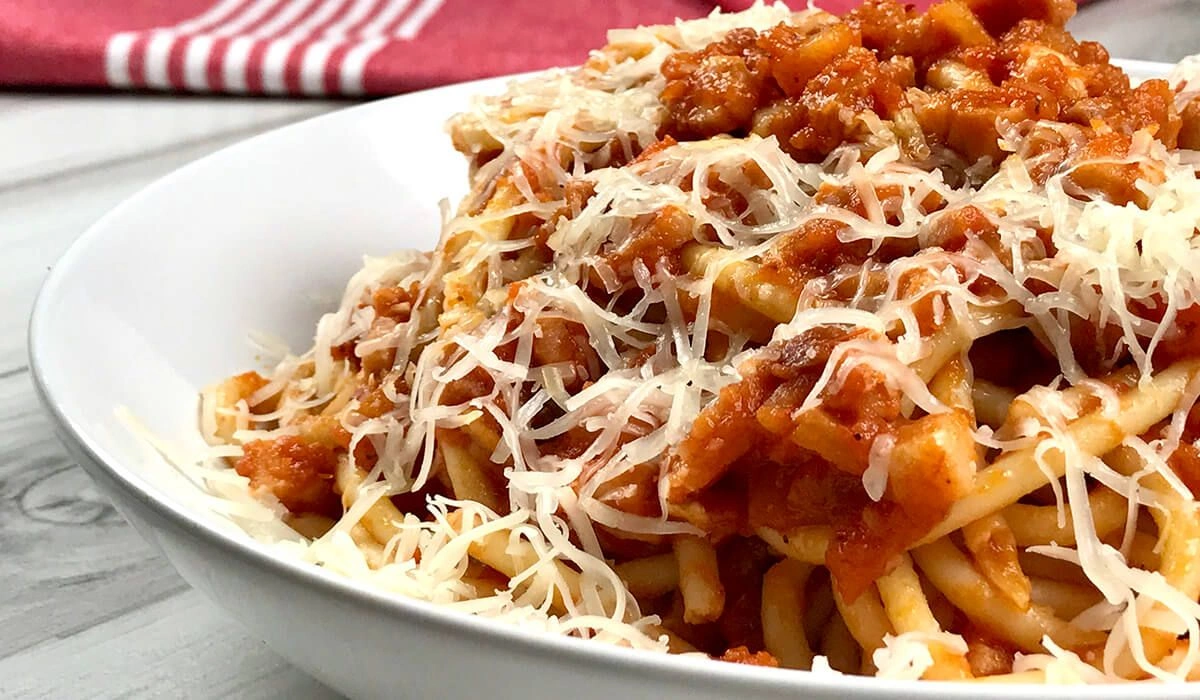
In pasta all’amatriciana, guanciale provides the savory, fatty foundation that balances the tomato and Pecorino Romano.
Italy’s official tourism site describes guanciale and Pecorino as central ingredients in the classic dish associated with Amatrice.
The combination works because each ingredient brings something different.
Tomato provides acidity.
Pecorino provides saltiness and sharpness.
Guanciale provides richness.
Pasta brings everything together.
Remove one element and the balance changes.
What is pasta alla gricia?
If carbonara and amatriciana are famous, gricia deserves a little more attention.
It is often described as a simpler relative of those dishes, built around guanciale, Pecorino Romano, black pepper and pasta—without tomato or egg.
That simplicity makes the guanciale even more important.
There is nowhere for it to hide.
No tomato sauce.
No egg mixture.
No elaborate garnish.
Just pasta, cheese, pepper and cured pork.
It is almost a test of whether good ingredients can carry a dish by themselves.
Why does guanciale taste so different after cooking?
This is one of the most fascinating things about it.
Raw guanciale can look intensely fatty.
Put it into a pan over moderate heat, however, and the fat gradually renders.
The pieces brown.
The fat becomes liquid.
The aroma changes.
And suddenly the ingredient has transformed from something you might simply slice into something that can season an entire dish.
That is the magic of rendered fat.
It acts almost like a liquid version of the ingredient itself.
Can you eat guanciale by itself?
It can be sliced and enjoyed as a cured meat, depending on the product and preparation.
But its real culinary personality often appears when it is cooked.
That is when the fat begins to render and the texture changes.
It can also be used beyond the famous pasta dishes in soups, vegetables, beans and other preparations where its rich flavor can add depth.
Still, if you’re buying your first piece of guanciale, carbonara or gricia is probably where its character becomes easiest to understand.
Where does guanciale come from?
Guanciale is deeply associated with Lazio, particularly the areas around Amatrice and neighboring parts of central Italy.
Italy’s official tourism site describes it as originating historically around Amatrice and Accumoli in the province of Rieti, with connections to traditional pastoral life.
There’s something particularly beautiful about that history.
Before guanciale became a gourmet ingredient on restaurant menus around the world, it was practical food.
Cured meat could travel.
It could be stored.
It could provide valuable energy.
And shepherds could carry it alongside simple ingredients such as flour and cheese.
According to Italy’s tourism authority, this tradition is connected to the development of gricia, one of Lazio’s classic pasta dishes.
Why does guanciale feel luxurious today?
Because modern luxury dining often takes humble ingredients and gives them extraordinary attention.
Aged cheese.
Handmade pasta.
Good olive oil.
Fresh seafood.
Cured meats.
None of these ingredients needs to be rare to be meaningful.
What matters is quality, provenance, technique and context.
Guanciale is a perfect example.
A relatively humble cut of pork can become the defining flavor of a dish served in an elegant restaurant in Rome or a family kitchen on an ordinary Sunday.
A question most food guides don’t ask
Why can a dish with fewer ingredients sometimes taste more luxurious than one with twenty?
Because complexity isn’t always created by adding things.
Sometimes it comes from allowing a few ingredients to interact properly.
Guanciale releases its fat.
Pecorino brings salt and sharpness.
Pasta water contributes starch.
Pepper adds warmth.
Egg creates a silky structure in carbonara.
None of those ingredients needs to shout.
Together, they create depth.
That is a very Italian idea of luxury.
What if you can’t find guanciale?
Pancetta is the most common substitute, although the result won’t be identical.
Bacon can also be used in some casual adaptations, but smoked bacon introduces a flavor that isn’t necessarily part of the traditional Roman profile.
If you’re specifically trying to understand classic carbonara or amatriciana, guanciale is worth seeking out.
The difference isn’t merely theoretical.
You’ll taste it in the rendered fat and finished sauce.
The real lesson behind guanciale
Guanciale teaches something that goes beyond Italian food.
Good cooking isn’t always about having access to the most expensive ingredients.
It’s about understanding the ingredients you have.
A cured pork cheek.
A handful of Pecorino.
Some black pepper.
Pasta.
A little cooking water.
That’s enough to create dishes that have become internationally famous.
And perhaps that is why guanciale deserves attention.
It represents a kind of cooking that doesn’t try too hard to impress you.
It simply knows what it is.
Final thought
The next time you see guanciale on a menu, don’t think of it as just another Italian cured meat.
Think about what happens when that small piece of pork enters a hot pan.
The fat begins to melt.
The aroma fills the kitchen.
The pasta arrives.
Cheese meets pepper.
And suddenly, ingredients that looked almost ordinary become something much greater than their individual parts.
That is the quiet luxury of Italian cooking: knowing when you already have enough.