
Key Takeaways
-
Steel offers maximum durability while wood delivers rustic architectural charm
-
Upgrading to insulated models cuts energy bills and blocks outside noise
-
Professional installation prevents spring accidents and guarantees smooth track alignment
-
Long-term garage door cost depends on material quality, insulation rating, and size
Have you ever pulled into your driveway, taken a step back, and wondered why your home exterior feels unfinished?
For most homeowners, an aging or faded overhead door takes up nearly a third of the front view.
Upgrading your garage doors instantly refreshes your home curb appeal while boosting everyday safety and thermal efficiency.
Whether you need a simple replacement or a full architectural overhaul, PraviCeler brings you the complete breakdown below.
From panel styles and core materials to insulation ratings and budgeting, this guide helps you make a confident decision.
AI Overview
Selecting high-quality garage doors requires balancing aesthetic appeal, structural material, thermal insulation, and long-term budget goals. Popular choices like steel, real wood, composite, and glass panels offer distinct benefits for different weather conditions. Upgrading to insulated panels reduces heating expenses while dampening street noise. While basic designs suit tight budgets, custom architectural styles raise property resale value significantly. Professional installation guarantees spring tension safety and long-term reliable performance.
Understanding Popular Garage Door Styles
Visual aesthetics usually drive the initial search when you start looking for a replacement.
Your choice should seamlessly match your home’s unique architectural lines and overall exterior color palette.
Here is how the most popular design profiles compare across modern residential architecture.
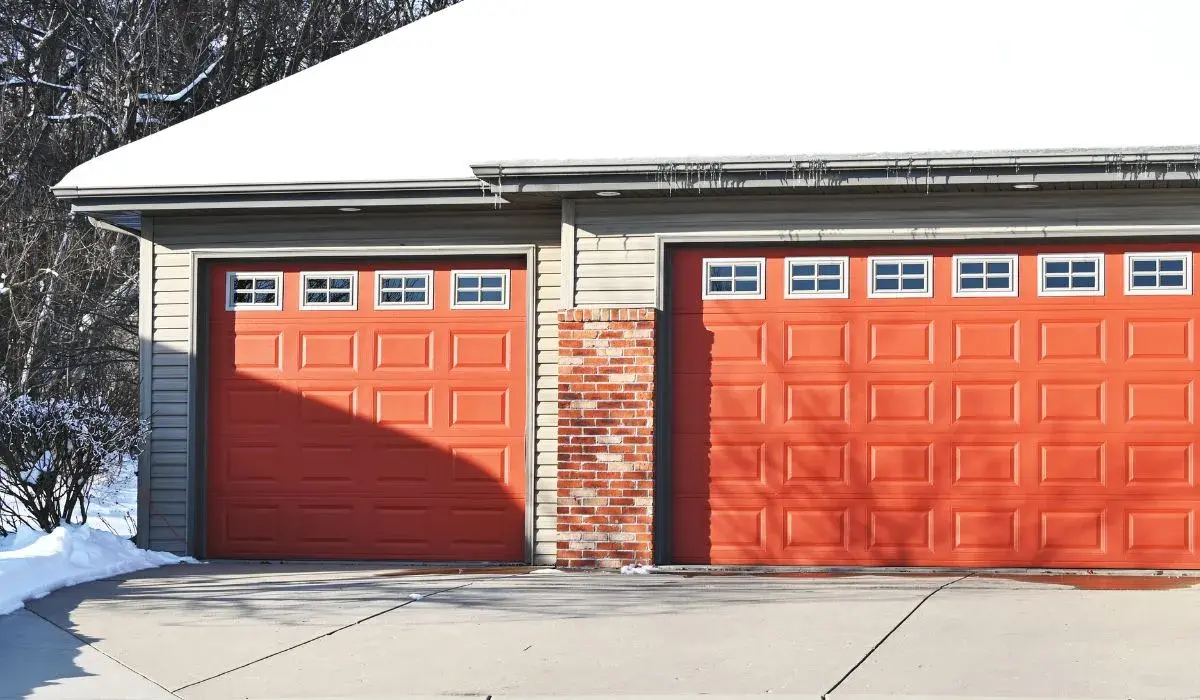
Traditional Raised-Panel Style
This design remains the timeless classic seen in residential neighborhoods everywhere.
It features floating raised or recessed rectangular panels arranged evenly across each horizontal section.
Because of its neutral geometry, this profile complements everything from suburban ranch builds to classic colonials.
You can customize this design with decorative top window inserts, painted finishes, or faux wood grain textures.
It represents one of the most versatile and cost-effective garage door styles on the market today.
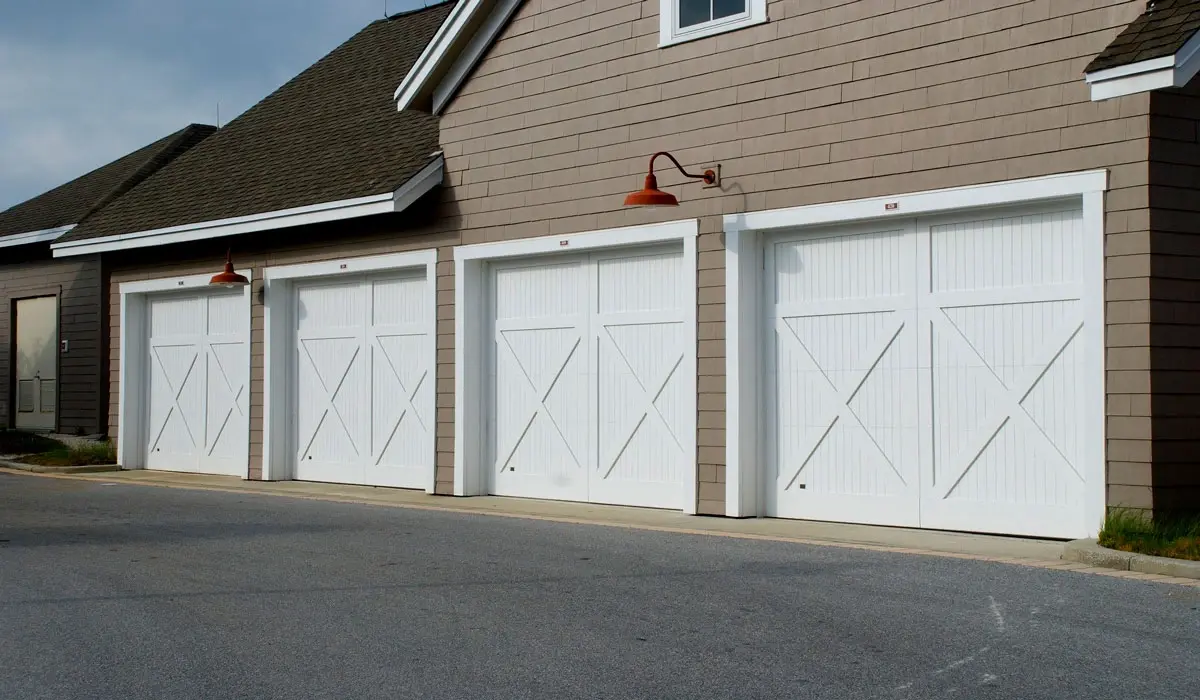
Carriage House Style
Do you love historic charm and old-world craftsmanship?
Carriage house designs recreate the rustic look of historic barn entryways that originally swung outward on heavy iron hinges.
Modern versions utilize hidden vertical overhead tracks, giving you vintage beauty alongside modern automatic operation.
They frequently feature cross-beam overlays, wrought-iron handles, decorative faux hinges, and arching window tops.
Exploring classic garage door styles like carriage house designs can instantly elevate craftsman and Tudor homes.
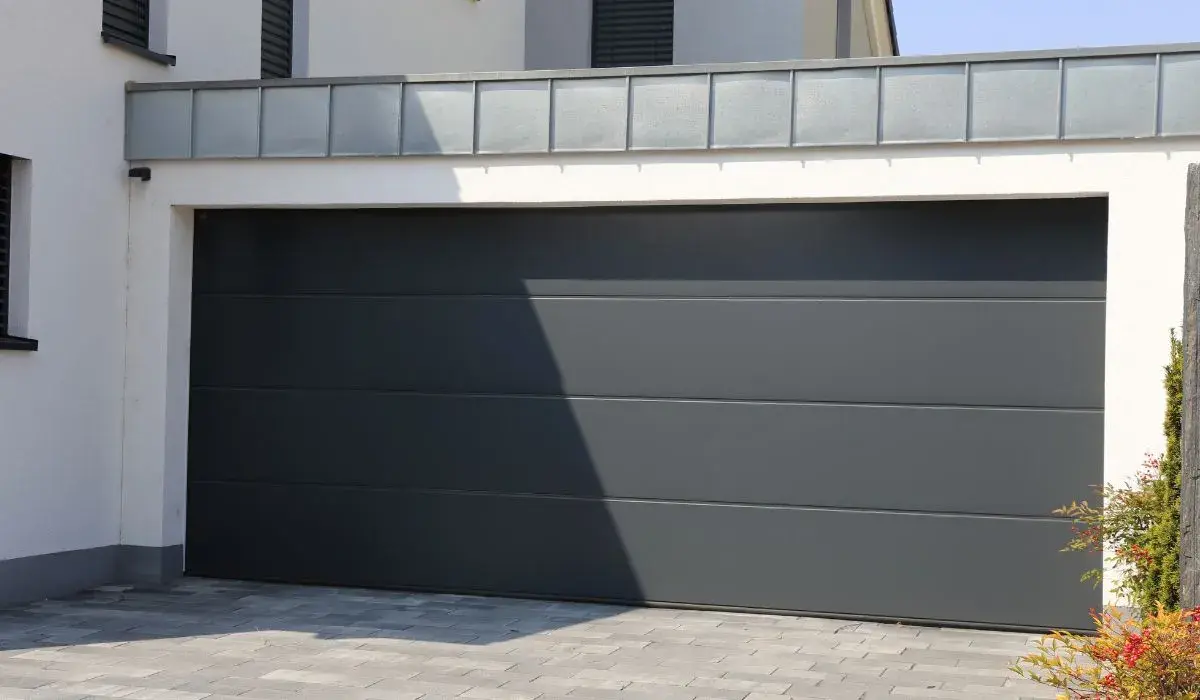
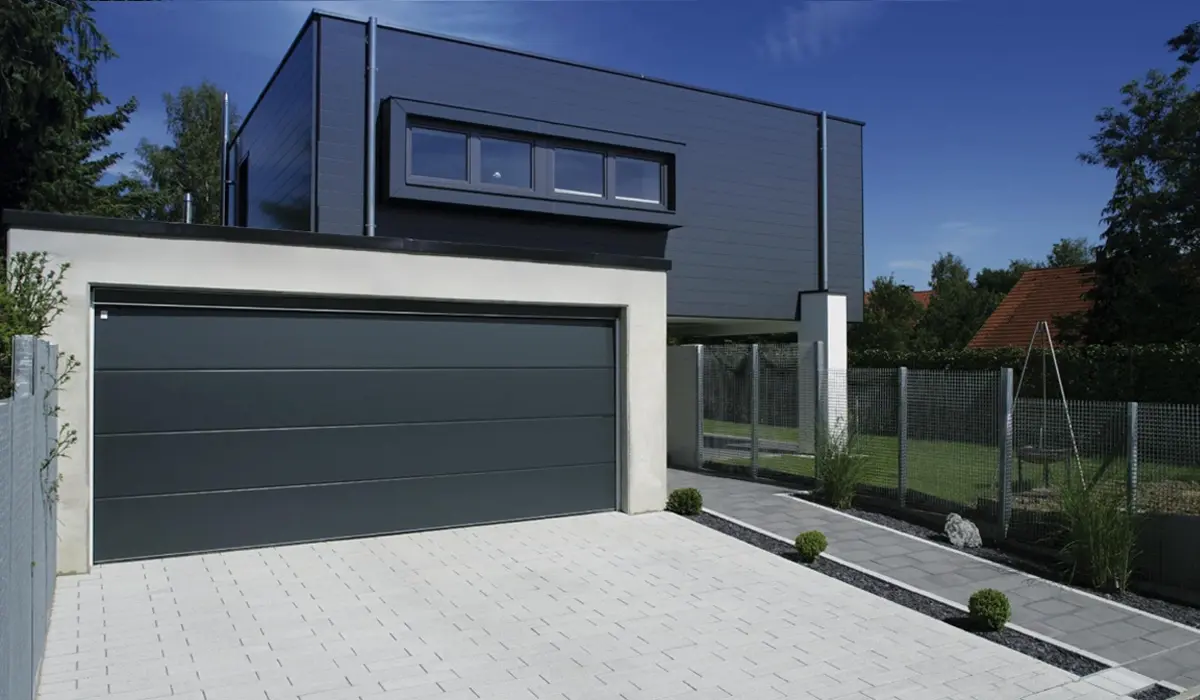
Modern & Contemporary Style
Clean lines, geometric symmetry, and high-visibility glass define this rapidly growing architectural trend.
These modern garage doors feature sleek horizontal aluminum framing filled with clear, frosted, or tinted tempered glass panels.
They allow natural light to filter directly into your interior garage space while transforming your home exterior.
If you own a contemporary, industrial, or mid-century home, this profile makes an undeniable modern design statement.
Homeowners loving minimalistic aesthetics frequently choose modern garage doors to create a striking architectural entrance.
Flush-Panel Design
If you prefer subtle elegance over bold patterns, flush panels offer a smooth, flat surface.
They feature slight horizontal textures that blend seamlessly into surrounding exterior siding.
This understated style works remarkably well on contemporary houses where you want other exterior features to shine.
Board and Batten Custom Look
Board and batten designs use vertical timber panels accented by narrow horizontal trim strips.
They deliver an authentic farmhouse appearance that brings texture and depth to plain residential facades.
Custom craftsmen often combine this style with warm wood stains and dark iron hardware accents.
Comprehensive Garage Door Materials Guide
Selecting the right material directly determines your maintenance schedule, weather resistance, and panel longevity.
Every material brings distinct strengths to the table, depending on your local climate and usage habits.
Let’s examine how the most common building materials stack up against one another.
Heavy-Gauge Steel
Steel is undeniably the most practical and widespread choice for modern residential properties.
It resists extreme weather, requires minimal routine maintenance, and comes in hundreds of factory colors.
To increase strength, manufacturers build steel panels in double or triple layers with internal insulation cores.
Thinner steel gauges can dent under heavy physical impact, so choosing 24-gauge or 25-gauge steel is always smart.
Genuine Natural Wood
Nothing quite equals the natural grain, rich texture, and visual warmth of authentic cedar, redwood, or hemlock.
Wood panels allow full custom carving, staining, and painting to match custom architectural trim perfectly.
However, real wood absorbs moisture, requiring regular painting or re-staining every few years to prevent decay.
It is also significantly heavier than steel, requiring heavy-duty opener motors and reinforced track hardware.
Durable Wood Composite
If you desire genuine timber beauty without intense ongoing upkeep, composite materials offer a fantastic alternative.
Made from recycled wood fibers and durable resin binders, composite resists moisture, rot, and insect damage.
It simulates genuine wood grain while standing up effortlessly to high humidity and intense rain exposure.
Lightweight Aluminum
Aluminum provides excellent resistance against rust and corrosion, making it ideal for coastal regions with salt air.
It is lightweight, placing less mechanical strain on spring systems and automatic openers during daily operation.
Because pure aluminum is softer than steel, it can dent more easily if bumped by lawn tools or vehicles.
Rugged Vinyl & Fiberglass
Vinyl panels offer incredible dent resistance, making them ideal for busy households with active children.
Fiberglass features a smooth composite shell that handles moisture and coastal salt spray without rusting or peeling.
Both options provide long-lasting durability, though harsh direct sunlight can cause surface fading over many years.
| Material | Durability Rating | Maintenance Needs | Weather Resistance | Estimated Cost Range |
| Heavy-Gauge Steel | Very High | Very Low | Excellent | $800 – $2,700 |
| Genuine Natural Wood | High | High | Moderate | $2,000 – $6,000+ |
| Wood Composite | High | Low | High | $1,500 – $3,800 |
| Aluminum & Glass | Moderate-High | Low | Excellent (Rust-proof) | $1,800 – $5,000 |
| Vinyl / Fiberglass | High | Low | High | $1,100 – $3,000 |
The Energy Efficiency of Insulated Garage Doors
Is your attached garage freezing cold during winter weather and uncomfortably hot throughout the summer months?
Installing insulated garage doors acts as an effective thermal buffer between severe outdoor temperatures and your home interior.
Uninsulated metal panels transfer heat rapidly, forcing your home HVAC system to work overtime in adjoining rooms.
High-quality insulated garage doors maintain consistent indoor temperatures while dampening loud street noises.
Types of Garage Door Insulation
Manufacturers generally utilize two core insulating materials inside steel and composite panels:
-
Polystyrene Insulation: Rigid foam boards installed inside double-layer panel cavity walls that supply solid daily thermal protection.
-
Polyurethane Insulation: Dense foam injected directly into panel cavities that expands into every corner, maximizing R-value thermal performance.
Polyurethane offers structural rigidity that strengthens the panel assembly against wind shear and severe impact damage.
Understanding Thermal R-Values
R-value measures how effectively an insulation material resists conductive heat transfer through panel layers.
Higher R-values indicate greater thermal insulation power, keeping cold winter drafts completely out of your home.
If your garage serves as an active workshop, home gym, or laundry room, choosing an R-12 to R-18 rating is ideal.
At PraviCeler, we recommend high R-value panels for attached garages to cut monthly home heating bills.
Breaking Down Garage Door Cost and Budget Factors
Understanding the complete cost landscape ensures you can budget effectively without unexpected financial surprises.
The overall garage door cost depends on dimensions, material selection, insulation depth, and customized hardware.
Single vs. Double Door Configurations
A single-car opening requires less material and labor than a wide double-car residential bay.
Adding decorative glass windows, custom handles, or heavy-duty track hardware increases final invoice figures.
| Configuration Level | Material & Feature Description | Estimated Total Cost (Installed) |
| Standard Single-Car | Single-layer uninsulated steel panel | $600 – $1,100 |
| Insulated Single-Car | Double-layer steel with polystyrene core | $900 – $1,800 |
| Standard Double-Car | Two-car basic uninsulated steel design | $1,100 – $2,200 |
| Insulated Double-Car | Double steel with high R-value polyurethane core | $1,800 – $3,500 |
| Custom Architectural | Genuine wood, composite, or full modern glass | $3,200 – $7,500+ |
Ongoing Maintenance and Operating Costs
Beyond initial installation, factor in routine long-term maintenance expenses like roller replacements and spring checks.
Higher quality materials cost more upfront but save money over time by avoiding frequent repairs and early replacements.
Evaluating long-term energy savings helps balance initial garage door cost when choosing insulated panels.
Why Professional Garage Door Installation Matters
Attempting a DIY replacement might seem like a great weekend cost-saving project, but it carries serious physical risks.
Overhead doors weigh anywhere from 150 to over 400 pounds and rely on extreme spring tension to move.
Handling high-tension torsion springs without specialized commercial tools can cause severe structural damage or severe bodily injury.
Investing in professional garage door installation guarantees your heavy overhead assembly is safely anchored and properly balanced.
Expert installers ensure the following crucial components are properly set up:
-
Torsion Spring Balancing: Precision spring calibration allows the heavy door panel to raise smoothly with minimal effort.
-
Track Alignment: Perfect vertical and horizontal track alignment prevents binding, panel warping, and motor strain.
-
Weather-Tight Sealing: Snug rubber perimeter seals stop rain water, cold winter drafts, and pests from infiltrating.
-
Safety Sensor Calibration: Photo-eye safety sensors are calibrated to stop and reverse instantly if an obstruction is detected.
Working with PraviCeler certified specialists ensures your automatic opener integration runs smoothly, safely, and quietly.
Proper garage door installation protects your product manufacturer warranty while giving you absolute long-term peace of mind.
Essential Maintenance Checklist for Maximum Longevity
Regular preventive care keeps your hardware running smoothly and avoids emergency service callouts.
A quick fifteen-minute inspection twice a year extends mechanical lifespan significantly across all moving components.
Here are the essential steps you should take to keep your system performing smoothly:
-
Inspect Hardware & Tighten Bolts: Vibrate-induced motion loosens track bolts and hinge screws over months of daily operation.
-
Lubricate Springs, Hinges & Rollers: Spray synthetic garage door lubricant onto metal rollers, hinges, and torsion springs.
-
Test Auto-Reverse Safety System: Place a wooden block beneath the closing door to confirm it reverses immediately upon contact.
-
Clean & Clear Side Tracks: Wipe away accumulated dust, leaves, and dried grease from vertical side tracks using a soft cloth.
-
Inspect Weatherstripping Seals: Replace cracked or hardened bottom rubber seals to block rain water, cold air, and insects.
Smart Opener Technology and Modern Security Features
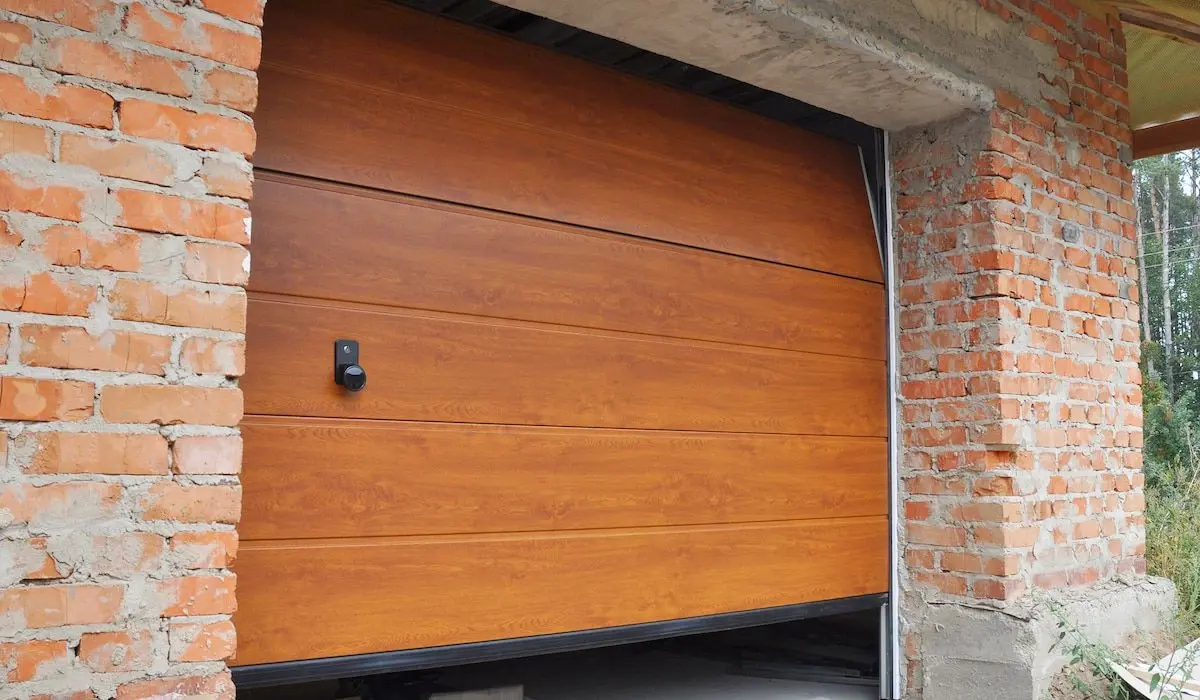
Modern openers offer convenient smart features that make managing daily home security completely effortless.
Today’s drive systems allow you to monitor, open, and lock your overhead entryway directly from your smartphone.
Belt Drive vs. Chain Drive Systems
Chain drives use heavy steel chains to lift panels, providing dependable strength at an affordable price point.
However, metal-on-metal contact creates noticeable noise and vibration throughout adjoining residential rooms.
Belt drives use reinforced rubber belts to glide quietly, making them ideal for garages beneath bedrooms.
Smart Connectivity & Remote Access
Smart openers connect directly to your home Wi-Fi network, sending instant alerts whenever your door opens or closes.
You can grant temporary access to delivery drivers, check door status remotely, or set automatic closing schedules.
Integrated backup battery systems keep your opener operating during unexpected neighborhood power outages.
Maximizing Home ROI and Exterior Curb Appeal
Replacing an outdated overhead door delivers one of the highest returns on investment of any home improvement project.
Real estate data consistently shows that upgrading garage doors recovers a massive portion of project costs at resale.
Because your garage occupies prime real estate on your front facade, fresh panels dramatically elevate overall curb appeal.
Choosing cohesive garage door styles that harmonize with your front entry door creates a polished architectural look.
Prospective homebuyers notice stylish, well-maintained entryways immediately, reinforcing impressions of overall property care.
Conclusion
Upgrading your home entryway is a smart, impactful investment that improves daily convenience, home safety, and exterior beauty.
By weighing material durability, selecting complementary garage door styles, and prioritizing insulation, you build a setup tailored to your lifestyle.
Proper care and professional fitting keep your investment operating smoothly for decades. Trust PraviCeler to help you navigate every step toward a safer, more stylish home exterior.
Frequently Asked Questions
What is the average total cost to replace a standard garage door?
Based on available industry data, replacing a standard residential door generally costs between $800 and $2,800 total. This estimated figure includes panel materials, track hardware, professional labor, and old door removal. Custom designs or premium wood materials can increase total investment up to $5,000 or more.
How often should garage door springs and rollers be serviced?
You should visually inspect and lubricate moving hinges, steel rollers, and torsion springs at least twice a year. Professional safety balance checks are generally recommended every two to three years to prevent sudden spring failures and balance issues.
Are insulated options necessary for unheated detached garages?
While unheated detached structures do not require strict thermal control, insulated panels offer significant advantages. They add internal structural rigidity, resist wind shear dents, block outdoor noise, and keep stored tools or vehicles warmer during extreme freeze cycles.
Can I install a modern smart opener on an older door system?
In most cases, yes. Modern smart openers install easily onto older track setups, provided the existing panel structure is balanced, structurally sound, and undamaged. Have an installer verify spring tension before attaching a new motor.
How long do residential garage doors typically last?
With consistent routine maintenance, high-quality steel or wood panels generally last between 15 and 30 years. Opener drive motors, torsion springs, and rubber weather seals typically require servicing or replacement after 10 to 15 years of daily use.