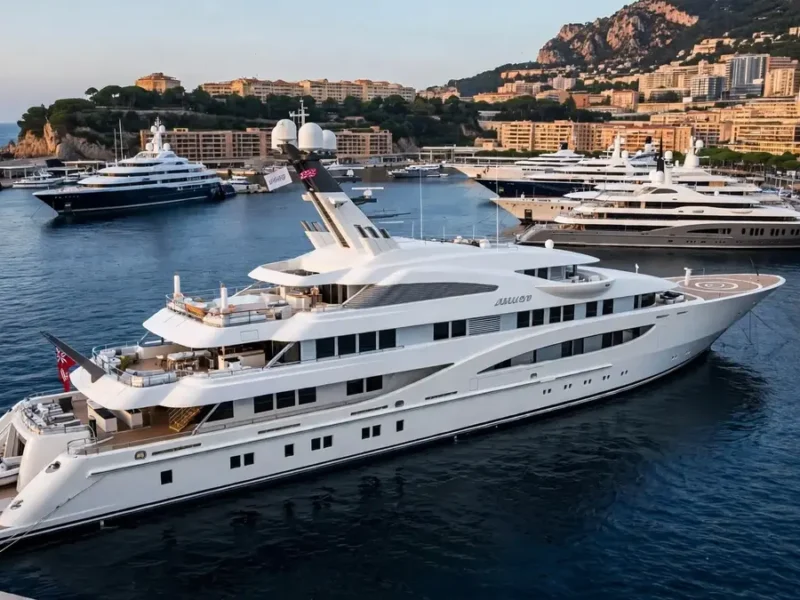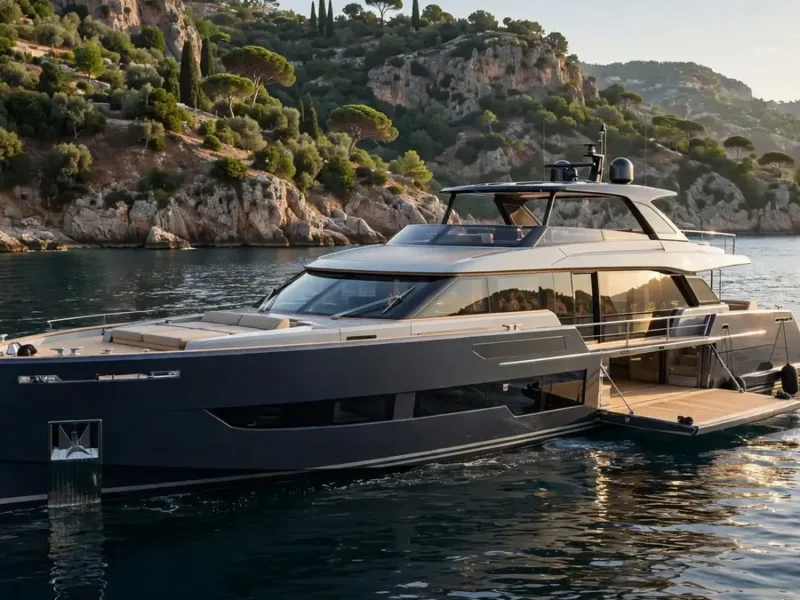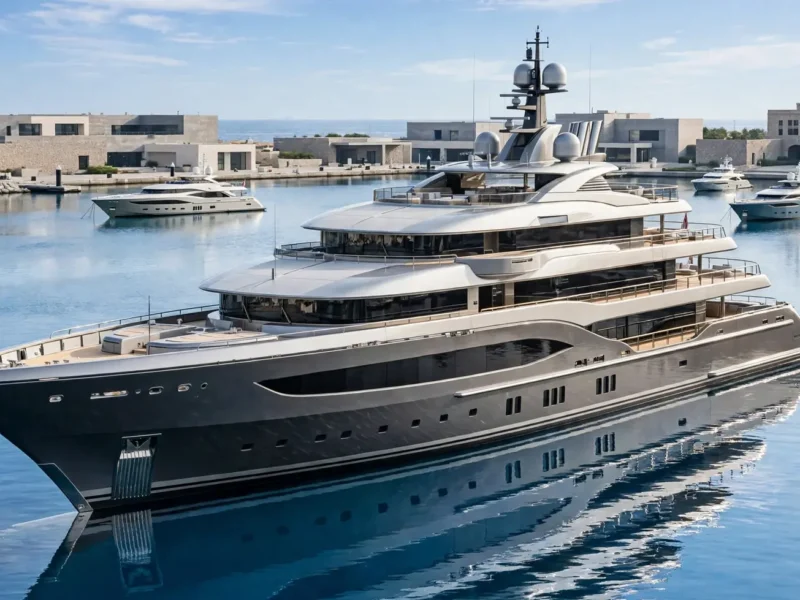
The photographs show the owner on the aft deck, the guests in the pool, the helicopter on the pad.
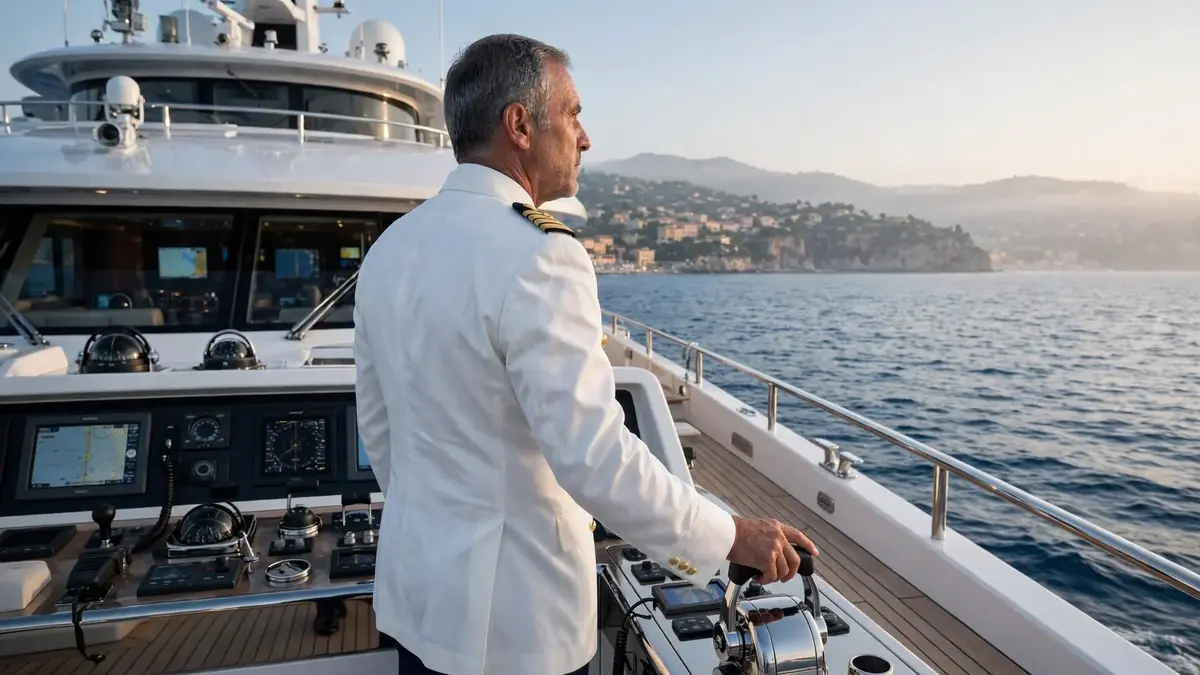
The person who made all of it happen is almost never in frame: the captain, standing on the wing station or the bridge, holding in one head the navigation, the weather, the crew, the engineering, the owner’s preferences, and the legal authority that, once beyond the harbor, makes the captain the sole judge of everything aboard.
The superyacht captain is among the most demanding and most invisible professions in the luxury world, and its rewards and its prices are proportionate.
Here is the profession that actually runs the yachts.
The Long Qualification
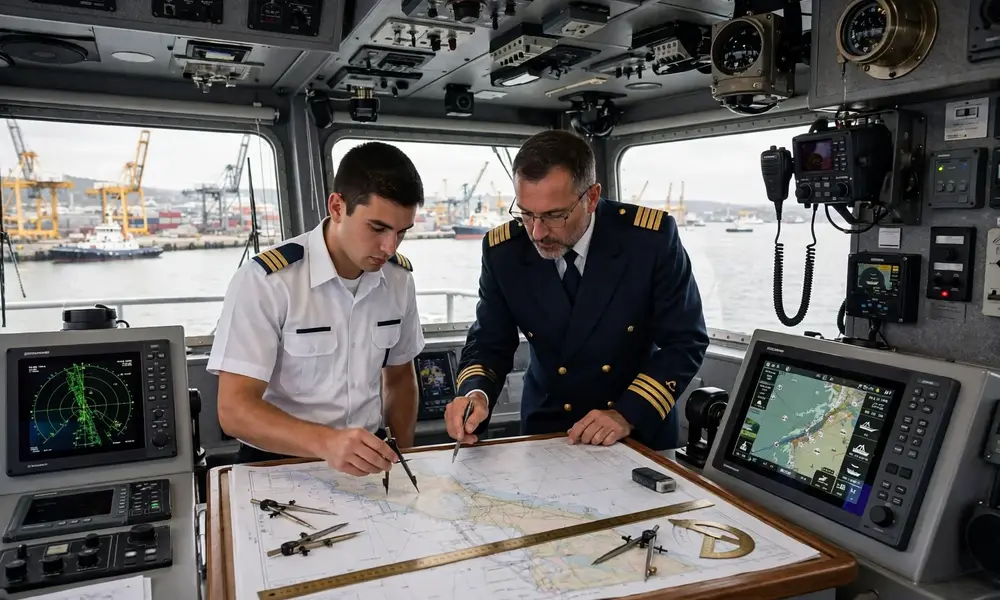
The path to a superyacht command begins with the Yachtmaster certificates of the home waters and climbs through the MCA’s deck officer structure, the Officer of the Watch, the Chief Mate, the Master Mariner tickets that the large yachts legally require, a progression of years and sea time that typically consumes a decade before a first command.
The examinations test navigation, meteorology, stability, law, and ship handling; the sea time requirements test something the examinations cannot, the character to hold responsibility through boring weeks and terrifying minutes.
The modern captain supplements the traditional tickets with engineering literacy, helicopter operations certification for the pad, and the commercial and interpersonal range the role now demands.
The Sole Authority
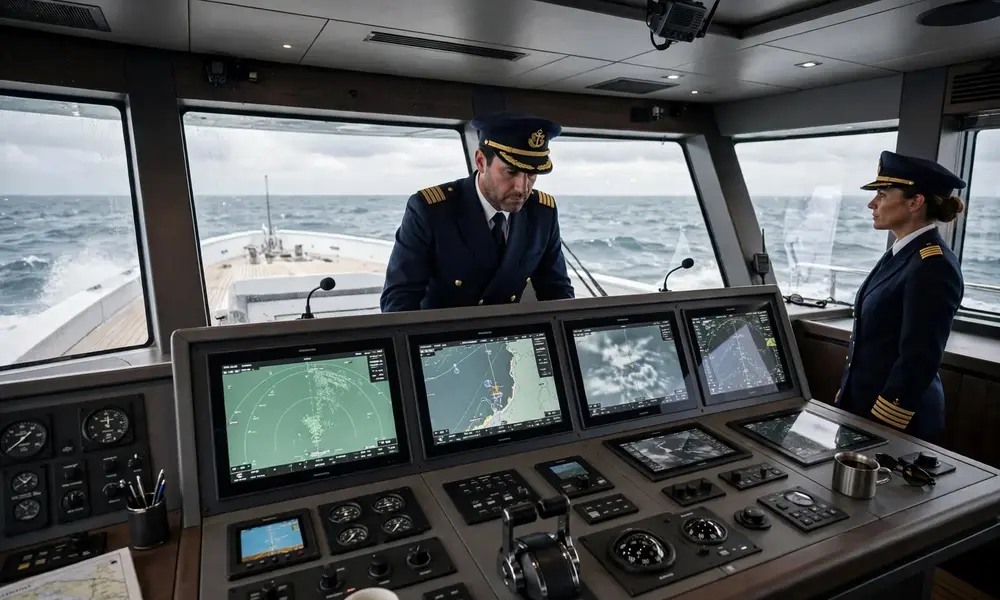
The captain’s defining condition is legal and psychological: beyond the harbor, the captain holds ultimate authority over the vessel and everyone aboard, an authority the law recognizes and the insurance policies depend upon.
The owner may own the yacht, but the owner does not overrule the captain on matters of safety, and the good owners understand that this division is the yacht’s insurance, not its affront.
The captain answers for the guests’ safety at the swimming platform, for the crew’s competence at 3 a.m., for the flag state’s regulations in every port, and for the vessel’s environmental compliance in waters where the penalties have become personal.
When the industry says a yacht is only as good as its captain, the insurance markets, who price the statement, agree.
The Owner Interface
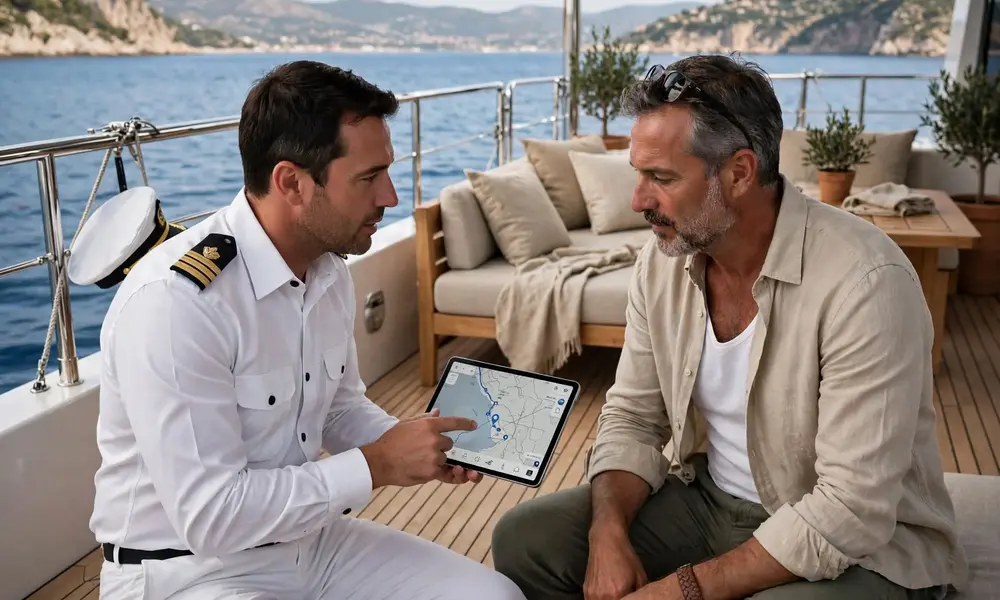
The summit of the captain’s craft is invisible: the management of the owner relationship.
The modern captain is simultaneously master mariner, general manager, diplomat, and household head, translating the owner’s expectations, from the impromptu itinerary change to the guest list’s sensitivities, into the operational plan of a vessel carrying twenty crew and nine figures of hardware.
The best captains build years long tenures on a single yacht by mastering this translation, and the profession’s highest salaries, now reaching and exceeding $250,000 annually on the largest vessels, price exactly this mastery.
The captain who keeps a major yacht running, its crew loyal, its owner delighted, and its incidents unreported across a decade becomes the industry’s quiet aristocracy, courted by owners whenever a command opens. This level of long-term trust and personalized ownership is also reflected in builders like Sanlorenzo, whose approach prioritizes individual owners and bespoke yacht experiences.
The Price of the Quarterdeck
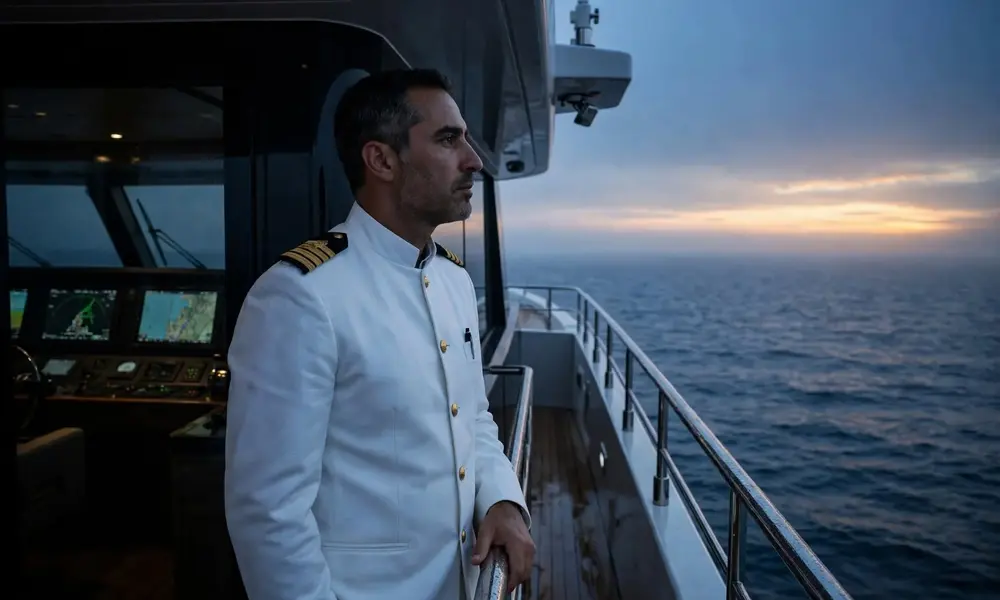
The profession’s costs are proportionate to its authority. The command’s isolation, the captain dines alone by custom and sleeps lightly by habit, is the profession’s oldest price. The family life is the tax the sea exacts: seasons of absence measured in months, and the strange grief of missing ordinary years.
The regulatory weight has grown heavier: audits, drug and alcohol policies, the documentation that fills the modern bridge, and the career liability that follows every incident. And the responsibility is total in the truest sense: when something goes wrong at sea at four in the morning, every decision’s author is known.
The men and women who accept these terms do so, almost universally, because the quarterdeck is the one place where their judgment, not a committee’s, decides, and the horizon, at dawn from the bridge wing, still repays everything.
FAQs
1. How do you become a superyacht captain?
Through the MCA deck officer progression from Yachtmaster through OOW and Chief Mate to Master Mariner certification, accumulating the required sea time across typically a decade or more, then serving as staff or first captain before command.
2. How much does a superyacht captain earn?
Salaries on large yachts range from around $120,000 for smaller commands to $250,000 and beyond on the largest vessels, with rotation schedules, bonuses, and the living expenses borne aboard adding substantially to the total.
3. Does the captain really outrank the owner at sea?
On matters of safety, yes, the captain’s authority is legally ultimate and the division exists precisely so that commercial pressure can never overrule safety judgment; the good owners treat this as the yacht’s most important system.
4. What licenses does a yacht captain need?
The MCA or equivalent flag state tickets appropriate to the vessel’s size: OOW unlimited, Chief Mate, and Master Mariner certificates for the large yachts, supplemented by GMDSS radio, helicopter operations, and the flag’s specific endorsements.
5. What does a yacht captain do all day?
Navigation and passage planning, weather routing, crew management and drills, engineering oversight, port formalities, owner and guest service coordination, and the paperwork that modern compliance demands, organized around a watch schedule that rarely ends.
6. Is the job dangerous?
Less than its romance suggests and more than its salaries imply: the risks are managed to professional standards, but the sea retains its veto, and the responsibility for the lives aboard is the profession’s permanent condition.
7. How long do captains stay on one yacht?
The best relationships run five to fifteen years; turnover follows owner changes, burnout, and the offer of a better command, and the industry tracks the proven tenures the way football tracks managers.
8. What makes a great captain?
The seamanship is the entry ticket; the greatness is the judgment, the temperament that stays courteous at hour forty of a gale, the diplomacy that manages an owner’s worst afternoon, and the consistency across years that turns a job into a command.