In April 2021, a pair of Nike Air Ships, the shoes Michael Jordan wore in his fifth NBA game as a rookie in 1984, crossed the block at Sotheby’s in a sale engineered for the headlines it generated. The Air Ship predated the Air Jordan line and carried the black and red color scheme that would later trigger the famous league fines and Nike’s legendary marketing coup.
When bidding closed at $1.47 million, the sneakers became the most expensive ever sold at auction, a record that announced the arrival of footwear in the same collecting universe as sports memorabilia and handbags.
The sneaker market’s ceiling has been set by a specific formula: game worn by an immortal, scarcity approaching the absolute, and a cultural moment attached. Here are the eight that define the top.
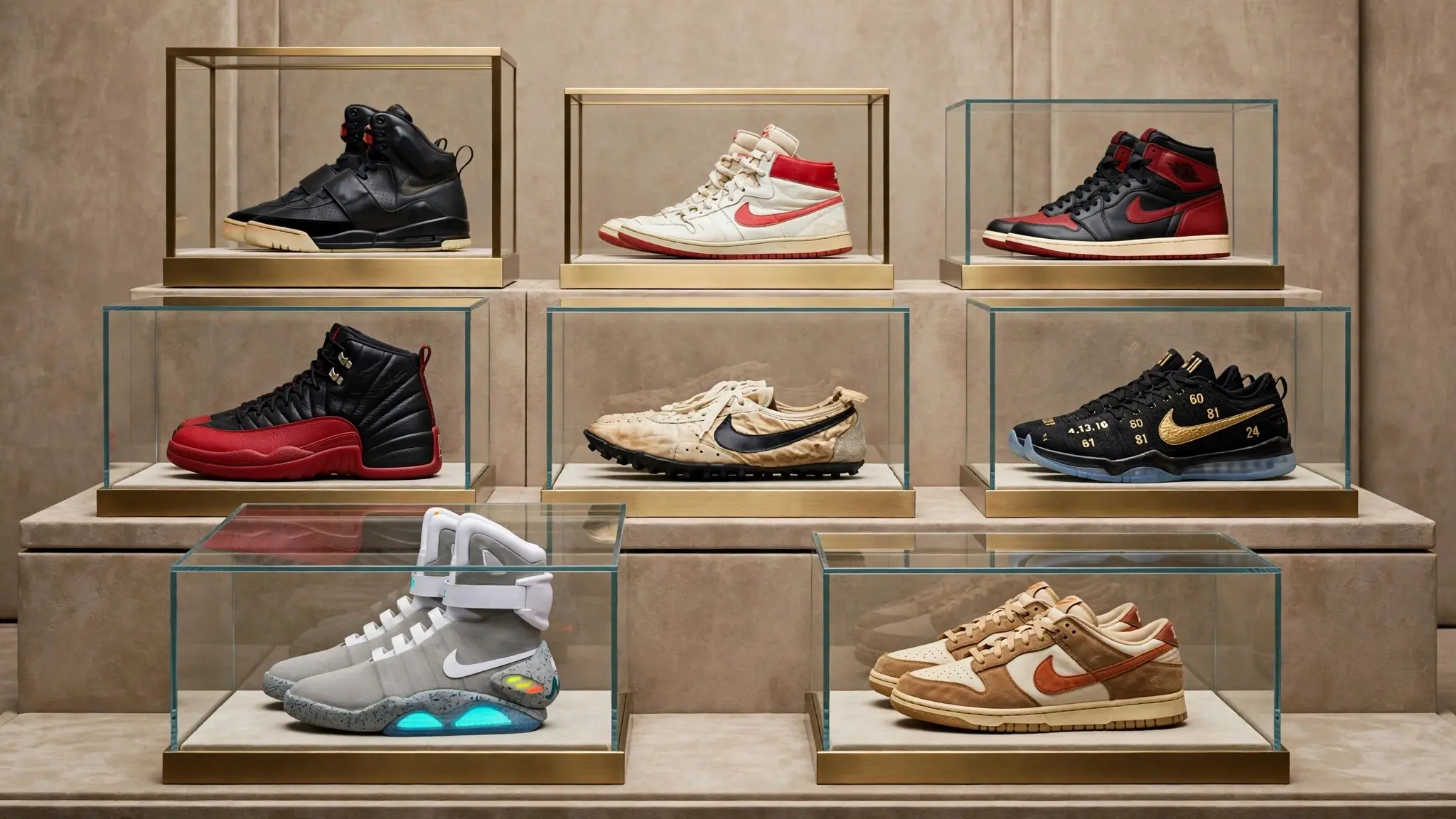
1. Kanye West’s Nike Air Yeezy 1 Prototypes: $1.8 Million
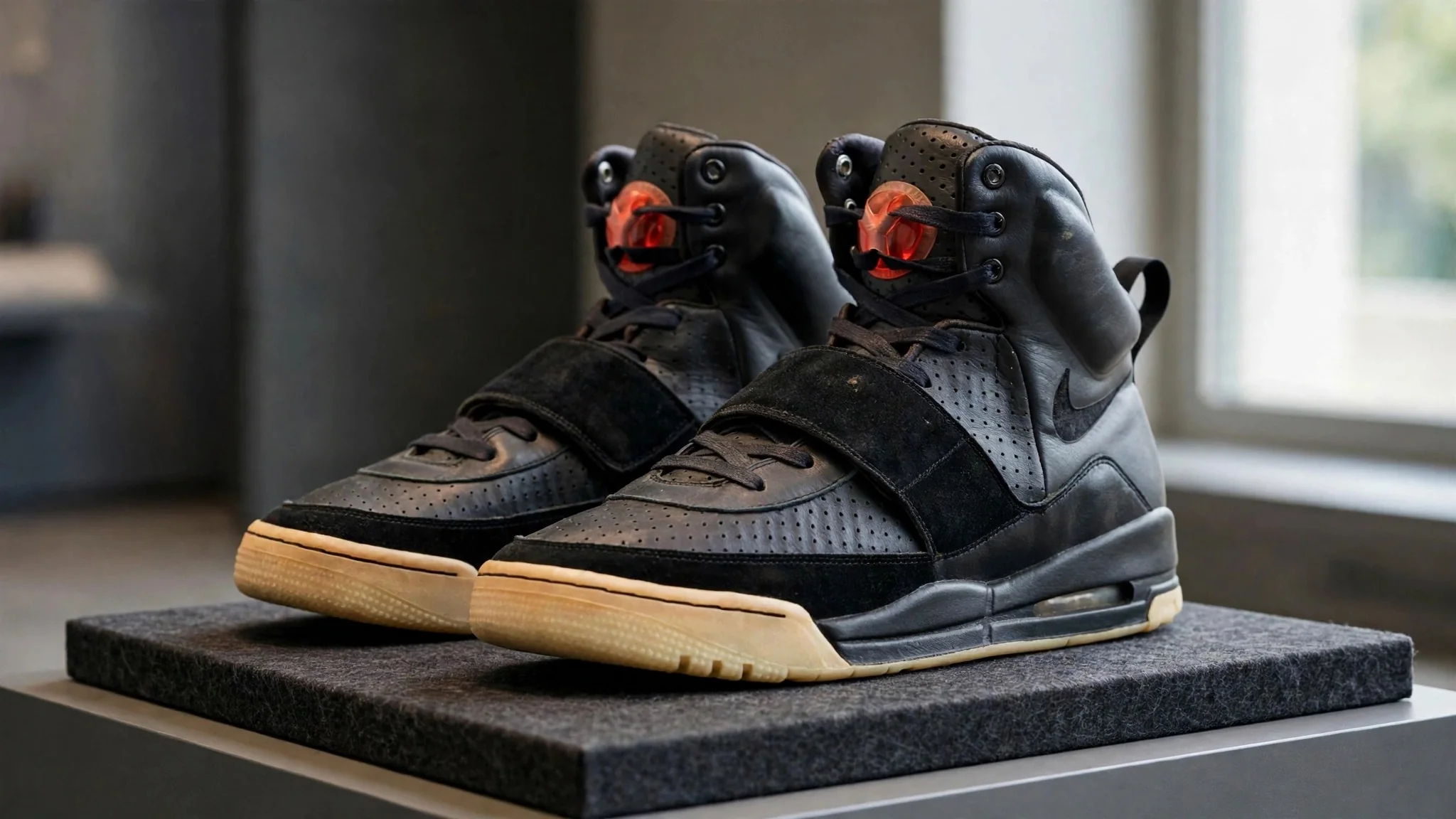
The record belongs to the prototypes of the Air Yeezy 1, worn by West at the 2008 Grammy Awards during his performance, sold at a Sotheby’s private sale in 2021 for a reported $1.8 million to the sneaker investment platform Rares.
The shoes carry the double provenance of music and fashion history: the moment streetwear’s architect in chief premiered the shoe line that would redefine celebrity design partnerships. Their price, exceeding the Air Ships’ auction record, confirmed that cultural authorship can outrank athletic achievement in the new hierarchy.
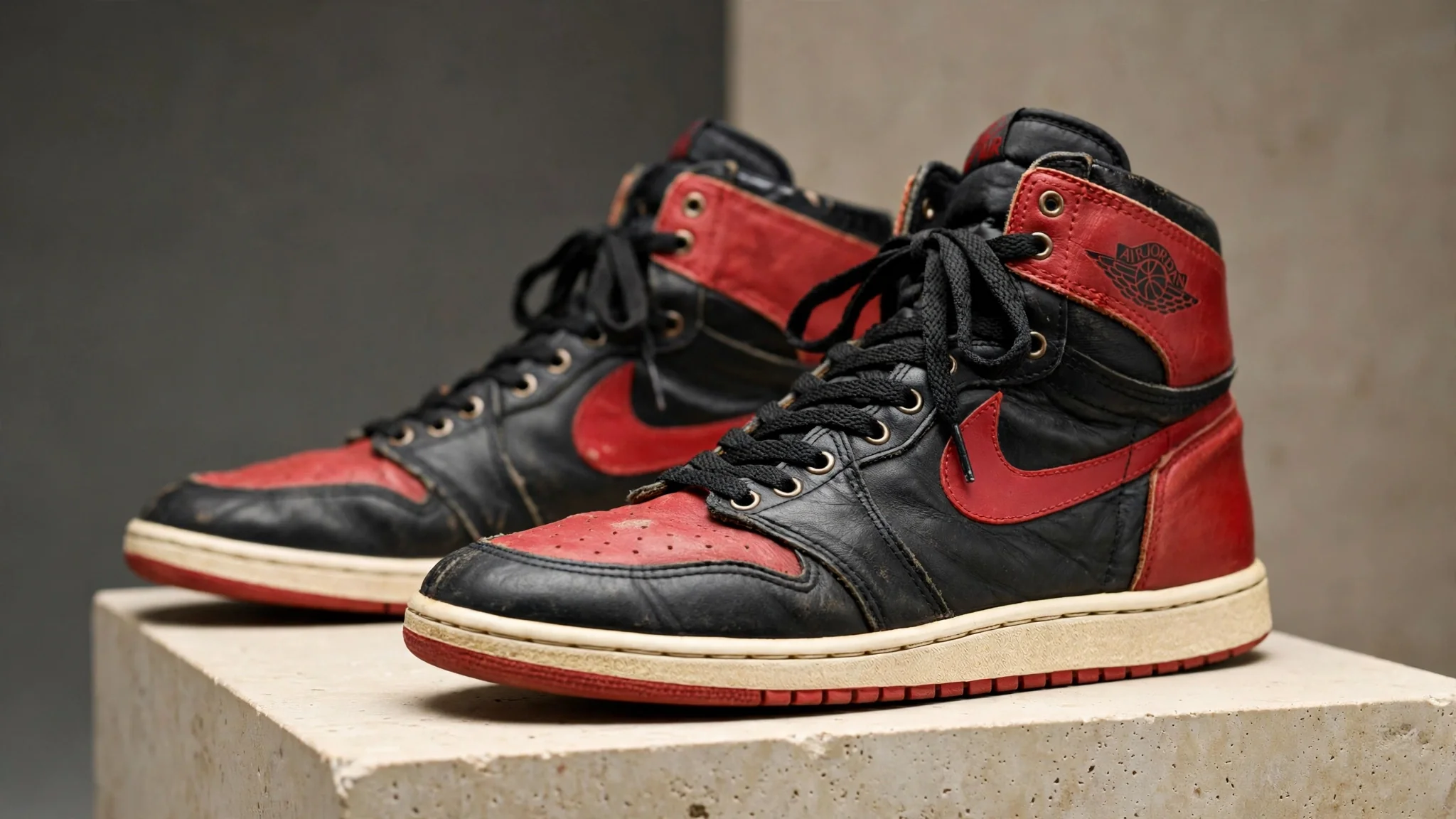
2. Michael Jordan’s 1984 Nike Air Ships: $1.47 Million
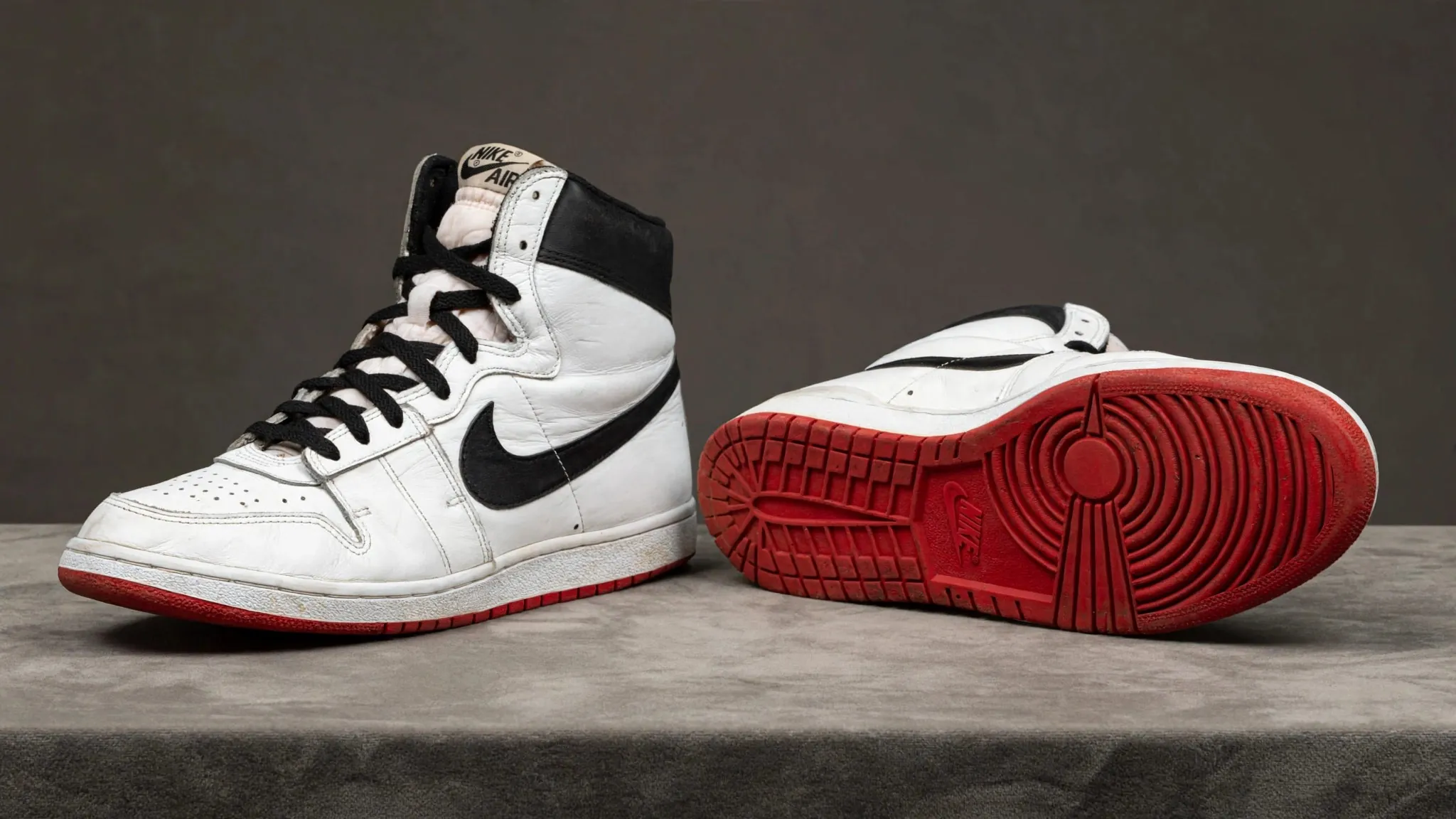
The auction record holder: game worn in Jordan’s fifth NBA game, carrying the black and red scheme whose league prohibition Nike converted into the Air Jordan mythology.
The pair’s condition, genuinely used, and its documentation made it the benchmark for game worn footwear, and its sale at Sotheby’s in 2021 marked the institutionalization of sneaker collecting, complete with investment platforms fractionalizing shares to the public.
3. Jordan’s 1985 Game Worn Air Jordan 1s: $615,000
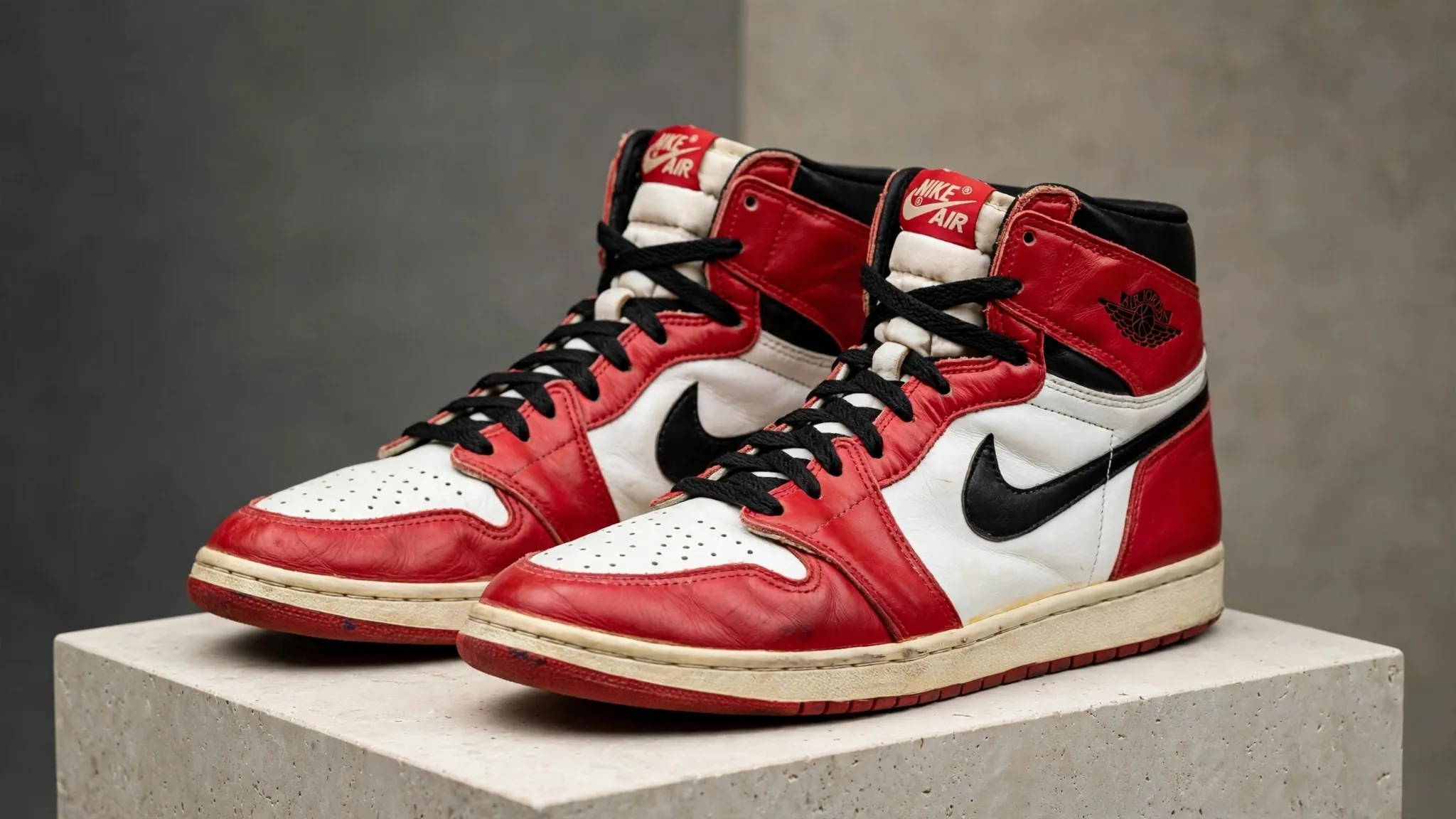
Christie’s sold a pair of Air Jordan 1s, game worn and signed from 1985, in 2020 for $615,000, the record before the Air Ships’ ascent. The Air Jordan 1 is the most recognizable sneaker ever made, the object that converted basketball footwear into global fashion, and game worn authenticated examples sit at the intersection of sport and design that drives the market’s strongest prices.
4. Jordan’s 1997 Finals Air Jordan 12s: $104,765
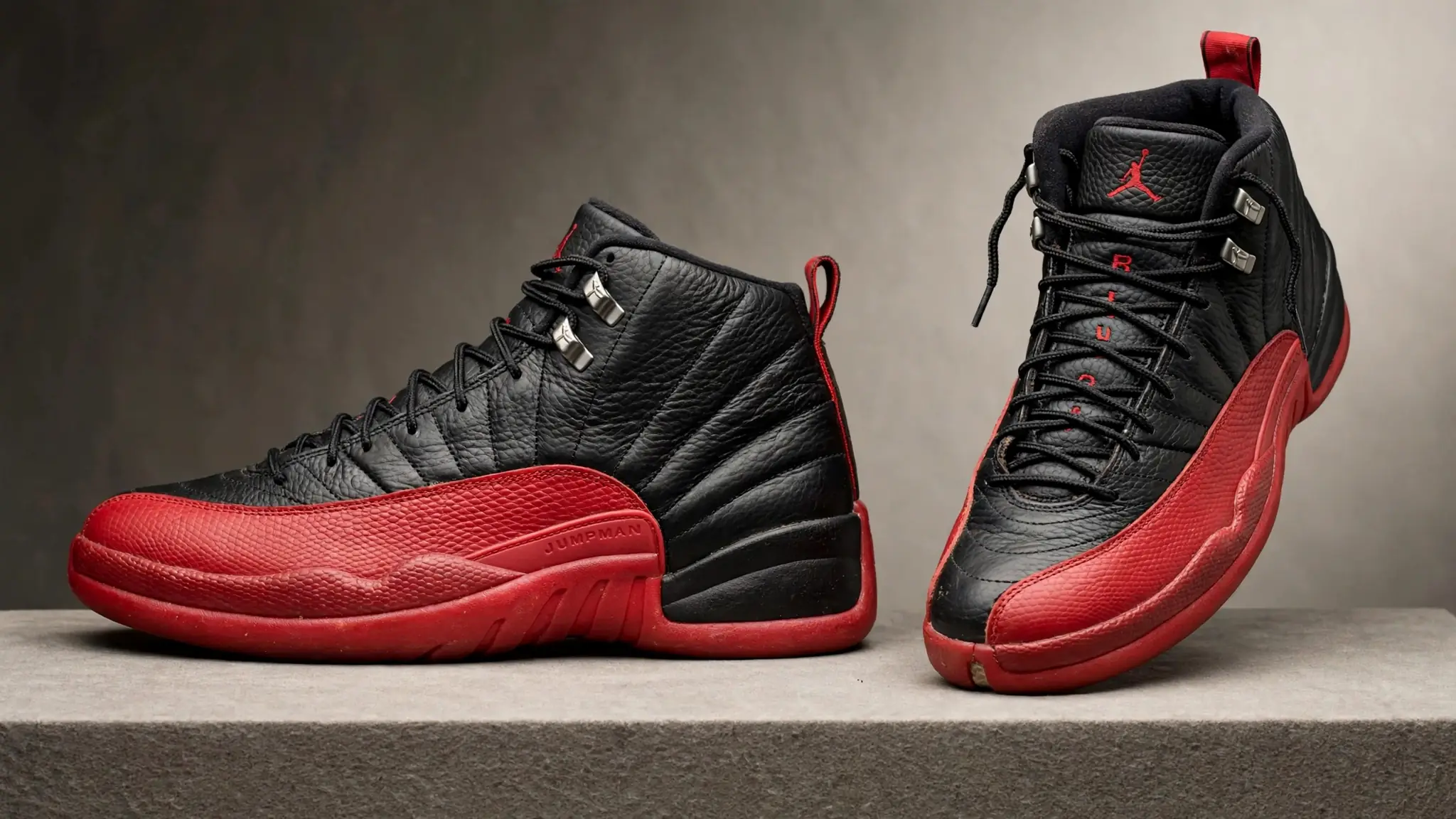
The shoes from the Flu Game, Jordan’s 38 point performance in the 1997 NBA Finals while visibly ill, sold for over $100,000 in 2013 to a collector who understood that performance mythology prices footwear the way it prices F1 cars. The Flu Game shoes began the game worn sneaker market in earnest, proving that a single game’s narrative could carry six figures.
5. The 1972 Nike Moon Shoes: $437,500
One of the twelve handmade pairs produced for the 1972 Olympic trials, the waffle soled prototypes that launched the company, sold at Sotheby’s in 2019 for $437,500. Their provenance is corporate mythology: these are the shoes from which the world’s largest athletic company descends, and their rarity, perhaps a handful survive, places them closer to manuscript collecting than sneaker culture.
6. Kobe Bryant’s Final Game Shoes: Reported Seven Figures
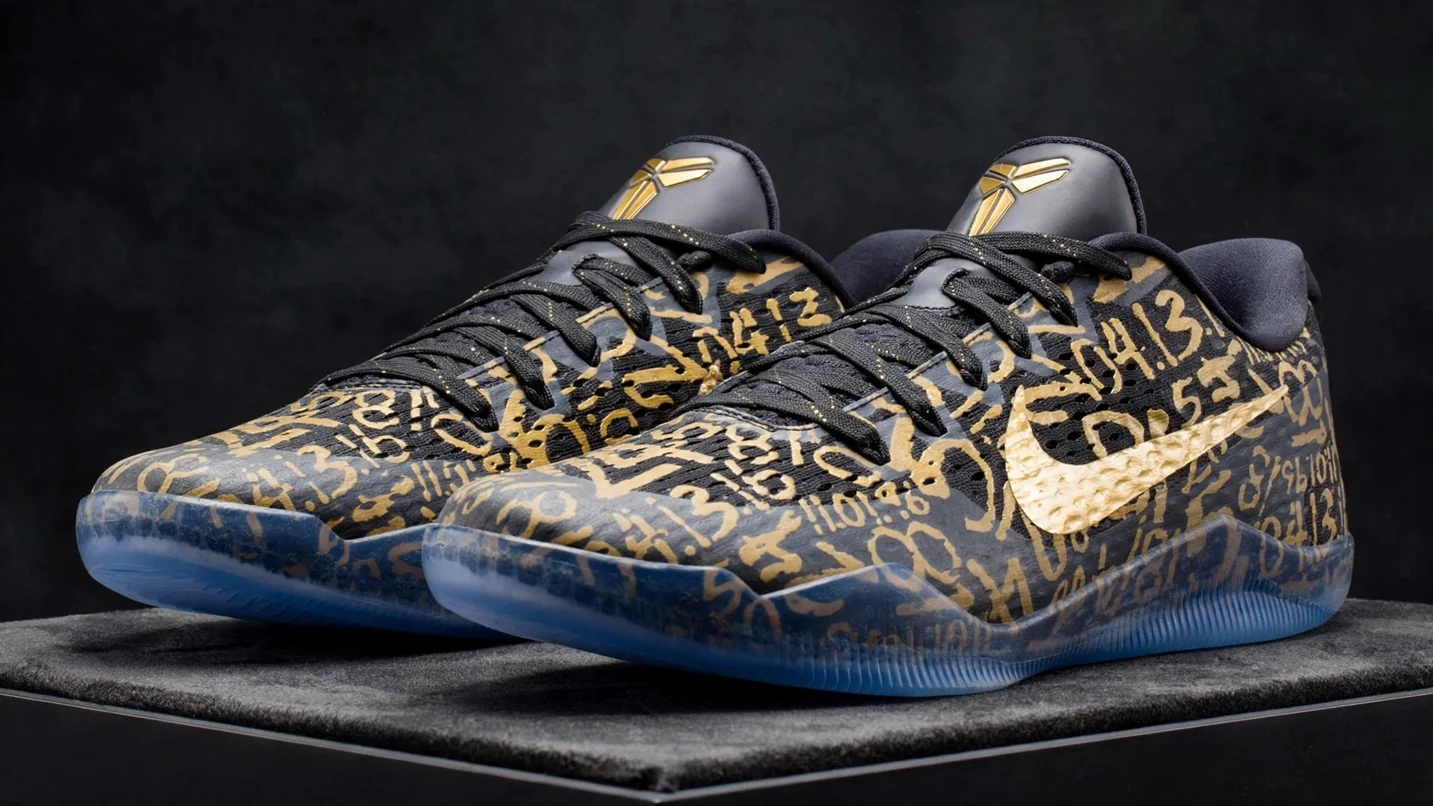
The pair Bryant wore in his final NBA game in 2016, a 60 point farewell of operatic perfection, sold in a private transaction reported around $1 million after his death, with the proceeds benefiting his foundation. The sale demonstrated the memorial market’s power in sneaker collecting, where a career’s perfect ending converts athletic equipment into relic, and the prices reflect grief as well as scarcity.
7. The Back to the Future Nike MAG: $200,000 and Above
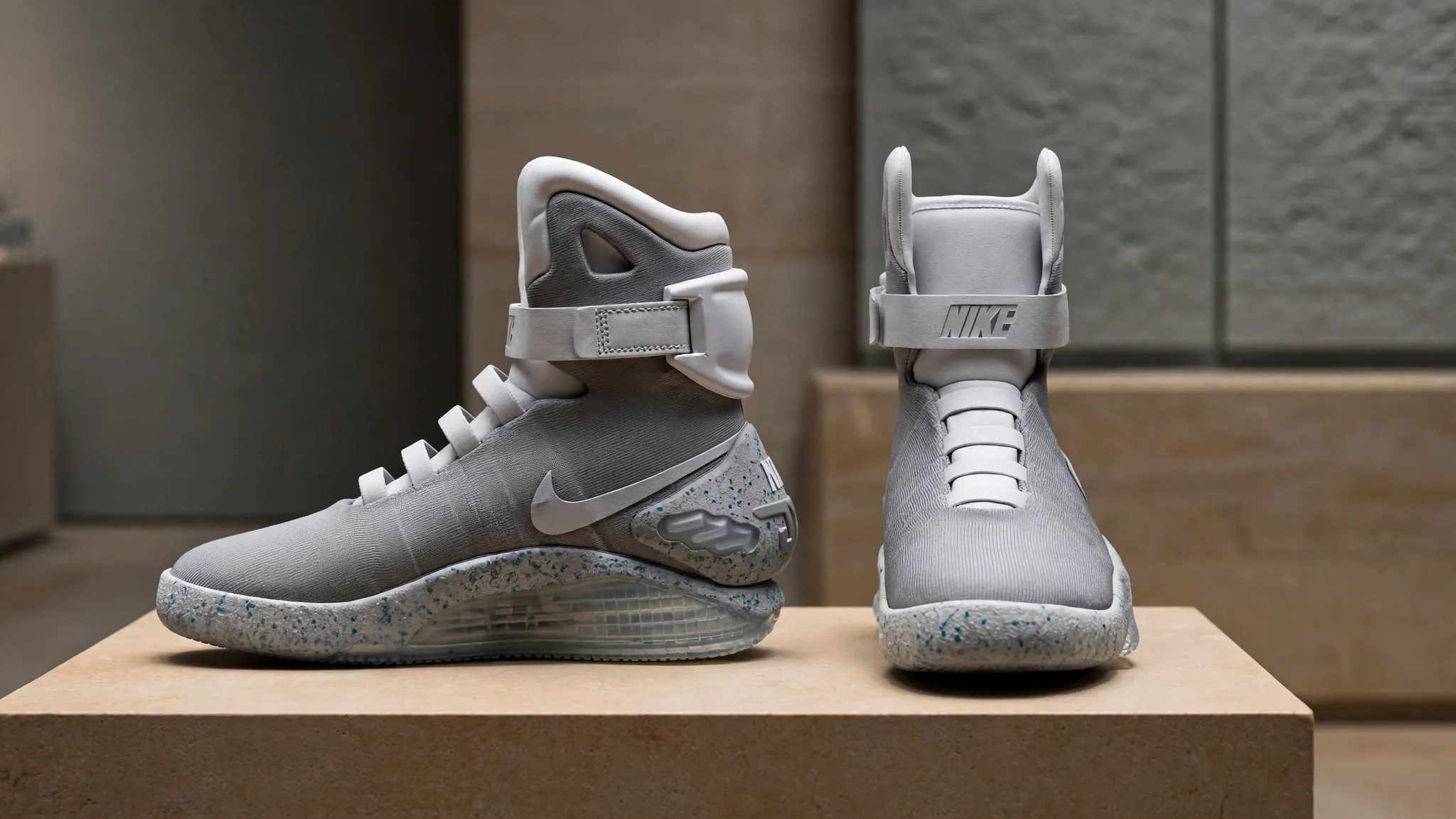
The self lacing replicas Nike produced in limited numbers, realizing the film’s fantasy, have traded from $50,000 to $200,000 depending on edition and charity provenance. The MAG occupies a unique position: its value derives from cinema rather than sport, the sneaker as cultural artifact rather than athletic equipment, and its charity auction origins gave the market a philanthropic halo it has retained.
8. DJ AM’s Personal Collection: Seven Figures in Aggregate
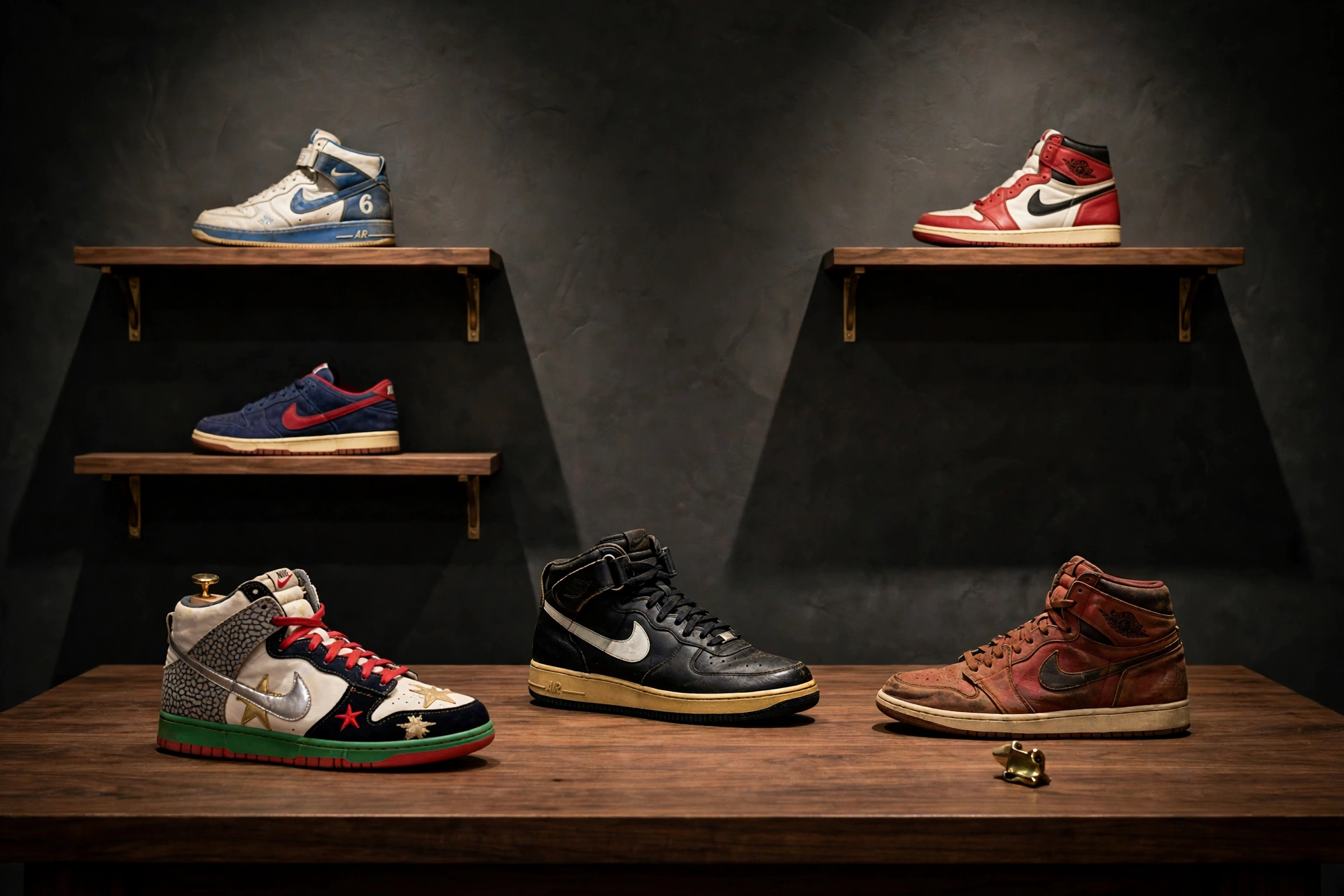
The late DJ AM’s sneaker collection, hundreds of pairs of the rarest Dunks, Air Force 1s, and Jordans accumulated during his years as the culture’s most visible collector, sold for over a million dollars in aggregate following his death. The sale established the estate collection as a market category and confirmed that the accumulation itself, the eye and the era it represented, commands prices beyond any single pair.
What the Market Teaches
The eight sales compress into three rules. Provenance is the entire market: game worn, documented, moment attached. Scarcity is engineered or accidental, the Moon Shoes’ dozen pairs or the Air Ships’ single documented pair, and the market prices the difference.
And the collecting base has institutionalized: auction houses, fractional platforms, indices, and funds now treat sneakers as an asset class, a development that amuses the purists and delights the sellers. Whether the prices survive the cycle is the question every new asset class faces; whether the shoes survive is the question time answers for all of them.
FAQs
1. What is the most expensive sneaker ever sold?
Kanye West’s Nike Air Yeezy 1 prototypes hold the reported record at $1.8 million in a private sale; Michael Jordan’s 1984 Air Ships hold the auction record at $1.47 million.
2. Why are game worn sneakers so expensive?
Provenance: documentation that an immortal wore them in a specific, meaningful game converts footwear into relic. The market prices the moment as much as the object, exactly as it does in other sports memorabilia categories.
3. Are sneakers a good investment?
The top tier has appreciated dramatically, but the market is young, cyclical, and dependent on cultural momentum. Treat purchases as passion first, with investment as a possible bonus rather than a plan.
4. What are the Nike Moon Shoes?
The twelve handmade waffle soled prototypes produced for the 1972 Olympic trials, from which Nike’s entire history descends. Their survival in single digits makes them closer to founding documents than sneakers.
5. How are sneakers authenticated?
Through the auction houses’ provenance research, wear pattern analysis against game footage and photography, and the major platforms’ in house verification. Factory documentation from the era completes the strongest cases.
6. What was the Flu Game shoe sale?
The Air Jordan 12s Jordan wore during his 38 point performance in the 1997 NBA Finals while ill, sold for over $100,000 in 2013, the sale that established the game worn sneaker market.
7. Can anyone buy at sneaker auctions?
Yes, generally: the major houses sell to the public with buyer’s premiums, and the fractional platforms allow small stakes in trophy pairs. The barriers are financial rather than institutional.
8. What is the cultural significance of the Air Yeezy sale?
The price confirmed that fashion authorship, the designer celebrity era West inaugurated, now commands premiums equal to athletic immortality in the collecting hierarchy, a shift as significant as any price.