For monthly regional private-jet trips, an illustrative annual budget is around 288,000 576,000. Weekly regional round trips can require approximately 1.25million–2.5 million annually. These examples assume two-hour flights each way, an effective charter cost of 5,000–10,000 per hour, and a 20% planning reserve.
Longer journeys and larger aircraft can cost considerably more. Shorter trips, smaller aircraft, and less frequent flying can bring the budget down.
You do not need to own a jet to fly privately regularly. The important number is the annual travel budget you can comfortably sustain not an arbitrary net-worth requirement.
What Does “Flying Private Regularly” Mean?
One traveller takes a short flight every month. Another crosses the Atlantic twice a month. Both fly regularly, but their costs belong in different categories.
Start with three questions:
- How many journeys will you make?
- How long is each flight, including the return?
- What aircraft size does your travelling party need?
For example, one monthly round trip with two hours of flying in each direction adds up to 48 passenger flight hours annually.
One similar round trip every week adds up to 208 hours.
That difference matters far more than the word “regularly.”
Annual Budgets for Monthly and Weekly Private Travel
The table below uses a hypothetical effective charter cost of 5,000–10,000 per passenger flight hour.
Here, “effective” means the complete trip quotation divided by the hours you spend aboard. It is intended to capture the trip’s charges, rather than represent an advertised aircraft-only rate.
| Travel schedule | Annual flight hours | Illustrative annual budget* |
| Six regional round trips | 24 hours | 144,000–288,000 |
| One regional round trip monthly | 48 hours | 288,000–576,000 |
| Two regional round trips monthly | 96 hours | 576,000–1.15 million |
| One regional round trip weekly | 208 hours | 1.25–2.50 million |
Each round trip assumes two hours each way. Budgets include a discretionary 20% reserve for price changes and additional travel. This reserve is an editorial planning assumption, not an industry-standard fee or a guarantee that every expense is covered.
These examples suit a discussion of regional jet travel. They should not be applied to long-haul international flying without obtaining appropriate quotations.
Why a Reserve Helps
A travel plan rarely remains perfectly fixed.
An extra journey, a larger passenger group, a peak-date departure, or a change of destination can increase spending. A reserve gives the budget some flexibility; it does not replace a firm quotation.
What Do Private Jets Cost Per Hour?
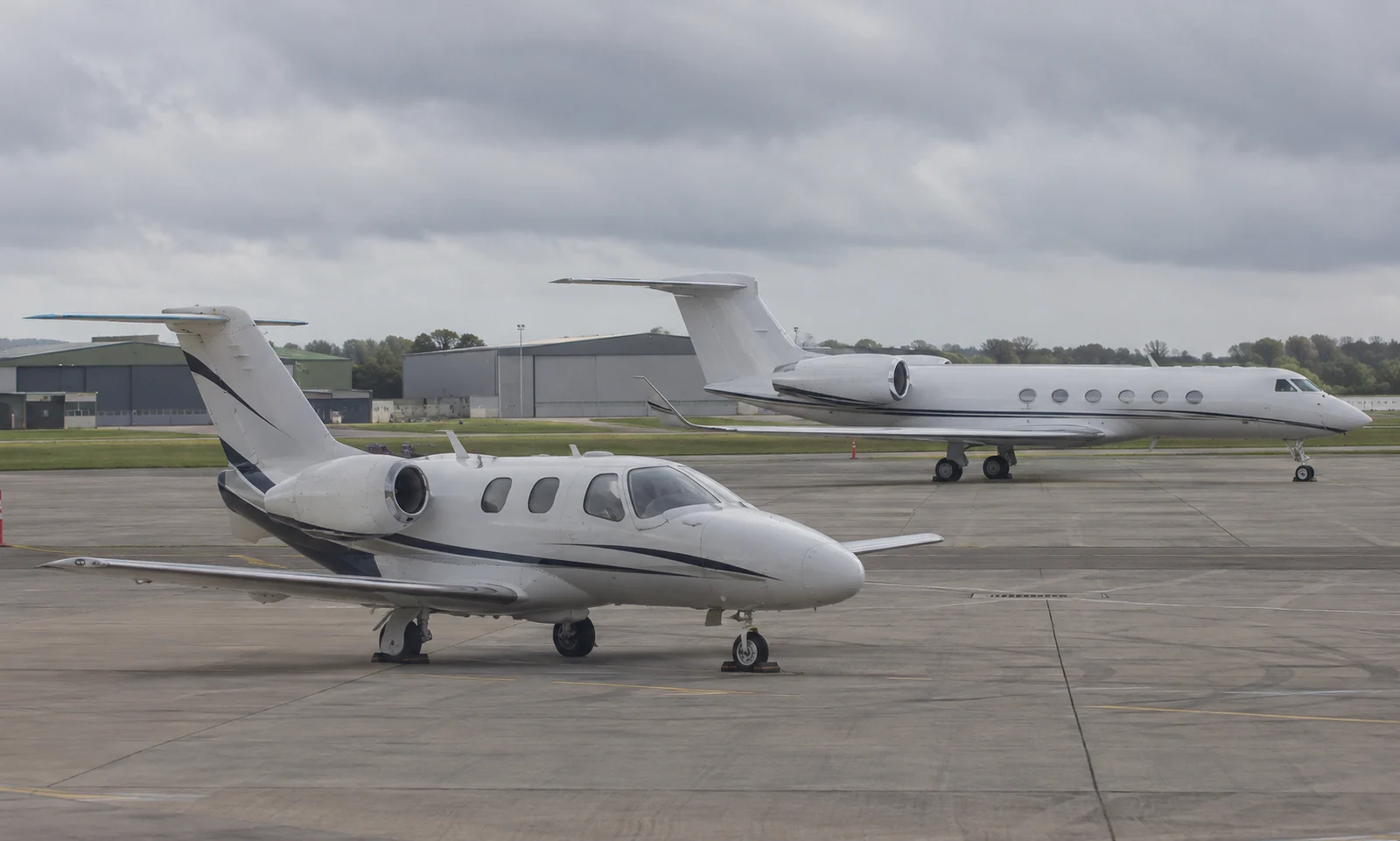
Aircraft category provides a useful starting point.
Paramount Business Jets publishes the following indicative 2026 hourly rates:
| Aircraft category | Published hourly rate |
| Very light jet | 2,900–3,400 |
| Light jet | 3,750–4,200 |
| Midsize jet | 4,700–5,500 |
| Super-midsize jet | 6,200–7,500 |
| Large and ultra-long-range jets | Approximately 8,500–17,000 |
These are one provider’s published estimates. They are not complete quotations for every route, departure date, or aircraft.
Why Multiplying the Advertised Rate Can Underestimate Your Budget
A two-hour passenger flight does not always produce a bill for exactly two advertised hours.
Depending on the agreement, the quotation may account for positioning, minimum billing, airport services, crew expenses, taxes, and other items.
NBAA’s charter-brokering guidance recommends written disclosure of each flight leg’s cost and clear identification of charges that are excluded.
For more detail, read our guide to private jet charter prices and additional charges.
What Changes When You Fly Long Haul?
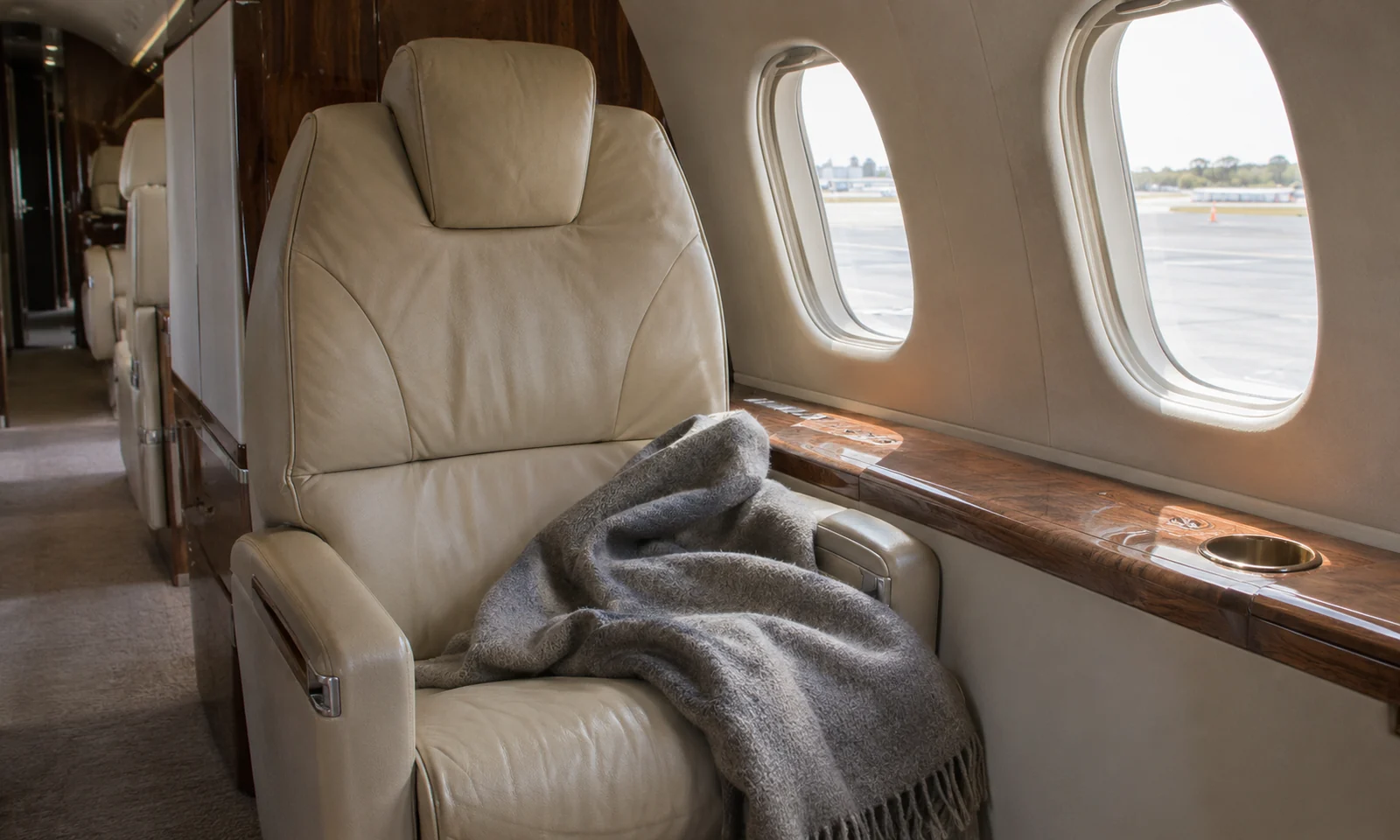
Flight duration and aircraft requirements can quickly push annual spending into the millions.
Consider another hypothetical calculation:
- Six international round trips annually.
- Eight flight hours in each direction.
- An effective complete-trip cost equivalent to $15,000 per passenger flight hour.
That produces:
6 trips × 16 hours × $15,000 = $1.44 million annually.
Adding the same illustrative 20% reserve brings the planning budget to $1.73 million.
This is arithmetic, not a quotation for a particular international route. It shows why a handful of long journeys can cost more than frequent regional travel.
Do You Need to Be a Millionaire to Fly Private?
There is no universal income or net-worth threshold for booking a private flight.
However, there is a substantial difference between paying for one journey and funding private travel year after year.
Net Worth Does Not Tell the Whole Story
Two people can have the same net worth and very different spending capacity.
One may hold most of their wealth in a business or property. Another may have substantial liquid investments and recurring income.
For regular private travel, the more useful question is:
How much can you allocate to travel after taxes, existing commitments, savings, and other priorities?
A Spending Illustration
Suppose a household sets aside $400,000 annually for private aviation.
If that represents:
| Share of annual after-tax income allocated to private aviation | Corresponding after-tax income |
| 10% | $4 million |
| 20% | $2 million |
These percentages are mathematical illustrations, not recommended spending limits. They demonstrate why a flight budget cannot establish a universal salary requirement.
The same applies to business travel: a company should evaluate the expense against its own finances and the practical value of the journeys.
Is Charter the Best Starting Point?
On-demand charter lets you book individual trips without purchasing an aircraft or committing to a fractional share.
It can be useful while you establish your travel pattern, particularly when destinations, passenger numbers, or aircraft requirements change.
Before committing to an annual program, compare actual quotations for the routes you expect to fly.
A year of travel records can reveal:
- Your genuine annual flying hours.
- Which aircraft sizes suit your journeys.
- How often you travel during peak periods.
- Whether your trips are predictable or frequently change.
Our guide to charter, jet cards, and private jet ownership explains the different commitments.
How Much Should You Budget for a Jet Card?
A jet card generally involves prepaying for flight access under a defined agreement. The advertised purchase price needs to be read alongside aircraft access, booking rules, and included charges.
As a published benchmark, NetJets advertises card pricing starting at $215,000, with cards purchased in 25-hour increments. Its comparison page lists 24 months to use card hours and different access arrangements across its offerings. Confirm current sales availability and the exact terms directly.
A Card Price Is Not an Unlimited-Travel Subscription
“Annual access” describes when the program permits travel under its rules. It does not mean unlimited flying on those days.
Before buying, establish:
- How hours are deducted.
- Which aircraft categories are included.
- Minimum flight charges and taxi-time treatment.
- Peak-day restrictions and booking notice.
- Expiration, cancellation, and refund terms.
- Charges outside the standard service area.
Compare the complete agreement with your travel schedule—not simply the headline hourly equivalent.
What Does Fractional Ownership Add?
Fractional ownership combines a share purchase with continuing fees.
Flexjet states that its shares start at one-sixteenth, providing 50 annual flight hours. Its published cost structure includes an acquisition payment, a monthly management fee, and an occupied hourly rate. Its detailed guide also identifies a fuel adjustment component.
As another public reference, NetJets lists share ownership starting at approximately $360,000 annually for 50 hours, plus a one-time capital investment. The annual figure therefore does not represent the entire financial commitment.
Compare both annual cash payments and the capital invested, including the potential value of the share when you exit.
Our NetJets versus Flexjet comparison explores these arrangements further.
Can Empty Legs Make Regular Private Flying Affordable?
Empty legs are aircraft positioning flights that may be offered at a discount when your journey matches the aircraft’s required movement.
They can reduce the cost of an individual flight. However, the route, timing, and aircraft are dictated by the underlying operation, making them a poor foundation for a fixed annual schedule.
Treat an empty leg as an opportunity when it fits. Budget separately for the return journey and any alternative travel you may need.
Does Bringing More Passengers Reduce the Price?
For a whole-aircraft charter, adding passengers within the aircraft’s permitted capacity generally spreads the same aircraft quotation across more people. It does not reduce the total bill.
For a hypothetical $24,000 charter:
| Passengers | Cost per person if divided equally |
| 2 | $12,000 |
| 4 | $6,000 |
| 6 | $4,000 |
More passengers or luggage may require a larger aircraft, so the original quotation must still suit the group.
Purchasing a seat on a shared or scheduled service is a different product from booking an aircraft exclusively.
How to Set Your Own Annual Private-Flight Budget
Build the budget from journeys rather than lifestyle labels.
Step 1: Write Down a Full Year of Travel
Include both directions, likely passenger numbers, luggage, preferred airports, and date flexibility.
Step 2: Obtain Complete Trip Quotations
Ask providers to identify what is fixed, estimated, included, and excluded.
Step 3: Compare Programs Against Those Journeys
Evaluate charter, jet cards, and fractional arrangements using the same routes and service requirements.
Step 4: Test a Busier Year
Add a few extra journeys, peak dates, or a larger aircraft requirement. Check whether the revised spending still fits your resources.
Step 5: Reassess After Real Travel
Compare the forecast with actual invoices and flight hours before increasing your commitment.
FAQs About Affording Regular Private Flights
How Much Does It Cost to Fly Private Once a Month?
In this article’s example, one monthly regional round trip requires approximately 288,000–576,000 annually. That assumes two hours each way, an effective cost of 5,000–10,000 per hour, and a 20% planning reserve.
Can You Fly Private Regularly on $100,000 a Year?
That budget may cover a limited number of suitable short charters or discounted opportunities. It would not fund the monthly four-hour round-trip schedule modelled here. Your routes and quotations determine what is achievable.
How Much Does Weekly Private Travel Cost?
A weekly round trip with two hours each way produces 208 annual passenger flight hours. Under this article’s assumptions, the budget is approximately 1.25million–2.5 million, including the planning reserve.
Do You Have to Own a Jet to Fly Privately Every Week?
No. Charter and contracted access programs can serve frequent travellers. Whole ownership should be evaluated separately using its complete operating and capital costs.
What Net Worth Do You Need to Fly Private Regularly?
There is no reliable universal minimum. Sustainable annual spending capacity, liquidity, travel requirements, and other commitments are more informative than net worth alone.
Budget for the Journeys You Actually Want
Monthly regional private travel can mean a commitment of several hundred thousand dollars annually. Weekly journeys or regular long-haul flights can move that commitment into the millions.
Start with your routes and obtain complete quotations. Once the travel plan is clear, you can decide whether individual charters or a longer-term program offers the right combination of cost, access, and convenience.