The search for the best face masks for acne usually begins in a moment of frustration, standing in front of a mirror under unkind bathroom light, wondering why a face that behaved for a decade has suddenly declared independence.
I remember my own version of that evening. A stressful season, too little sleep, and a chin that announced its grievances at the worst possible moments. I did what everyone does: I bought the strongest mask on the shelf, the one promising to obliterate, and I left it on longer than the label said, because more must be better.
The result was a face so tight and angry that the original problem looked charming by comparison. That evening taught me the first law of caring for blemish prone skin: force is not the same as effectiveness.
This guide is the one I wish I had read that night. It will not promise miracles, because skin keeps its own schedule. It will teach you to read a mask label the way a cook reads a menu, to understand what each ingredient family actually does, and to build a small ritual that helps more than it harms.
One honest note before we begin: persistent or painful acne deserves a dermatologist, not a shopping basket. Masks support good care. They do not replace medicine.
What a Good Mask for Acne Actually Does
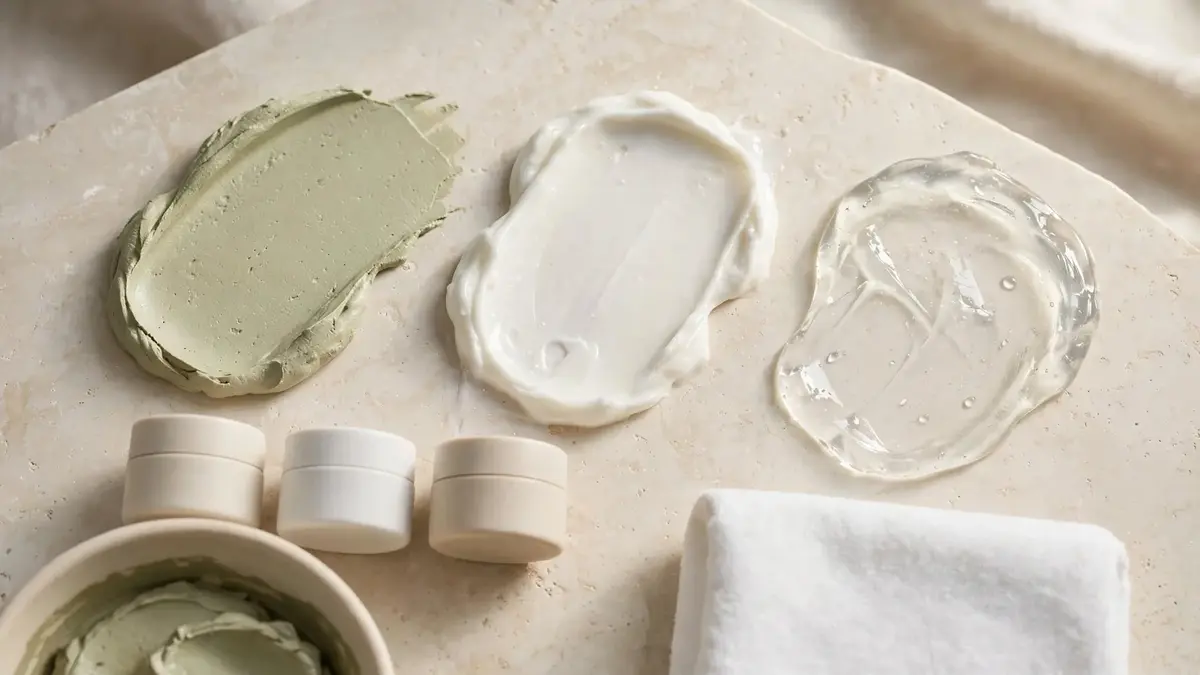
Strip away the marketing and a face mask does three possible jobs: it lifts oil and debris from the surface, it delivers an active ingredient where it can work for several uninterrupted minutes, or it calms skin that has been over treated into rebellion.
The best face masks for acne do one of these jobs well. The worst try to do all three at once and succeed at none.
That framing, lift, treat, or calm, is the whole shopping method. Once you know which job your skin needs this week, the shelves shrink from forty products to two or three, and the decision becomes calm instead of chaotic.
The Ingredient Families, Explained Like a Friend Would
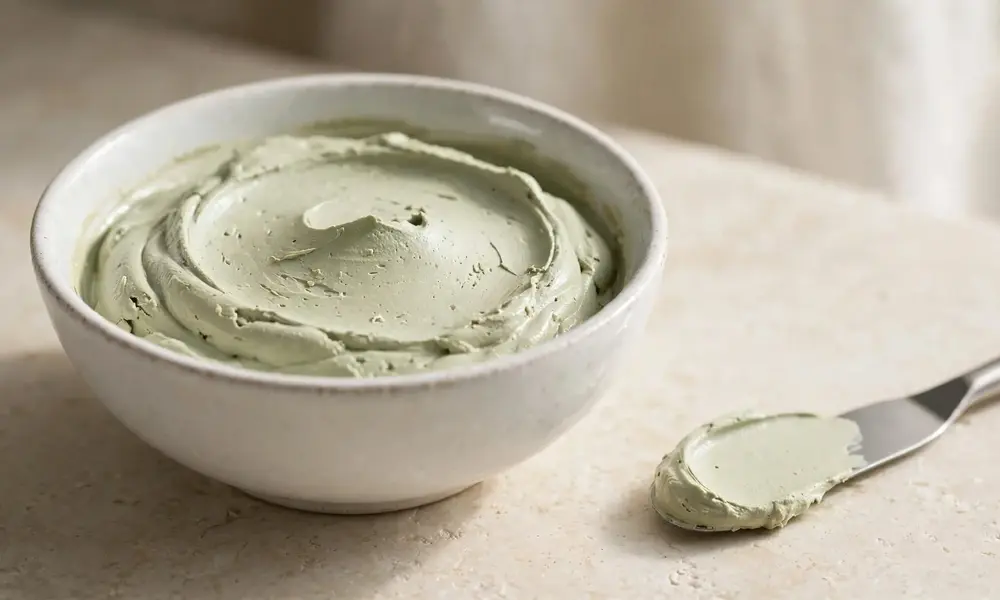
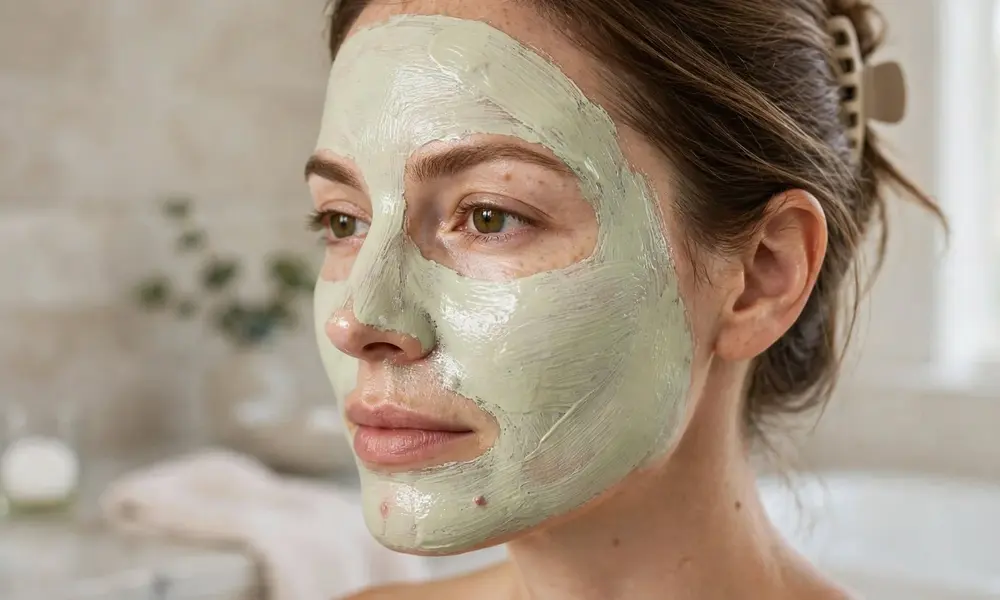
Clay. The oldest tool in the cabinet, and still one of the best for oily, congested skin. Clay absorbs excess sebum and pulls debris from the surface as it dries. Look for kaolin if your skin runs sensitive, and green or bentonite clay if it runs very oily.
The mistake people make is letting clay dry to the point of cracking, which strips the skin and triggers more oil production in revenge. Remove it while it is still slightly tacky, and the job is done without the punishment.
Salicylic acid. A beta hydroxy acid, which means it is oil soluble, which means it can slip into the pore itself rather than merely scrubbing the doorway. This is the ingredient for blackheads and the clogged, bumpy texture that makeup cannot hide.
In a mask it gets time to work, and lower strengths used consistently outperform hero strengths used once. If a mask tingles sharply or burns, it is not working harder. It is injuring the barrier you are trying to help.
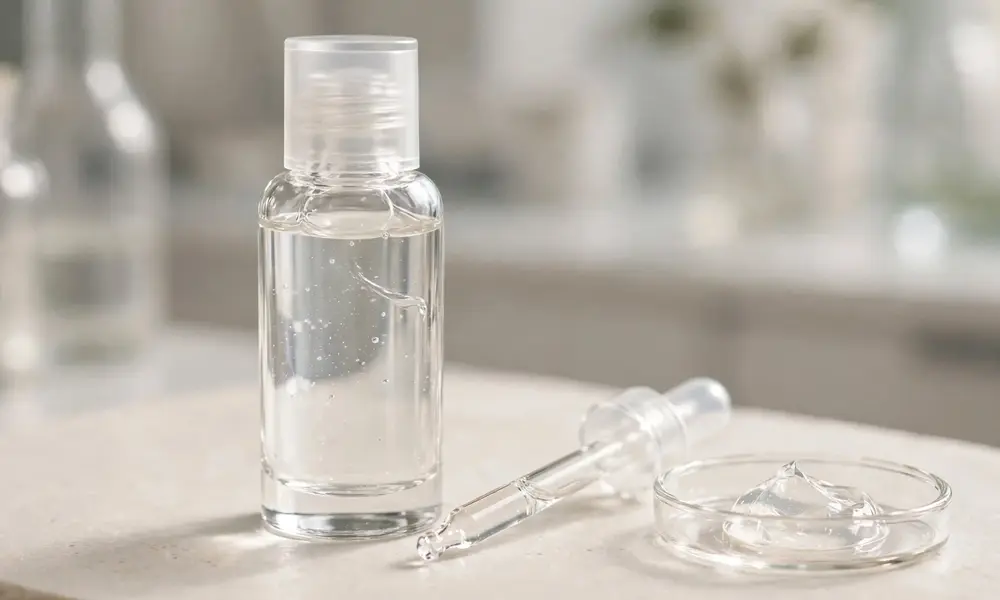
Benzoyl peroxide. The veteran of over the counter acne care, excellent at reducing the bacteria behind inflamed breakouts. It bleaches fabric, so use an old towel, and it can be drying, so pair it with a plain, fragrance free moisturizer after. In a rinse off mask it is gentler than in a leave on treatment, which makes masks a good entry point for beginners.
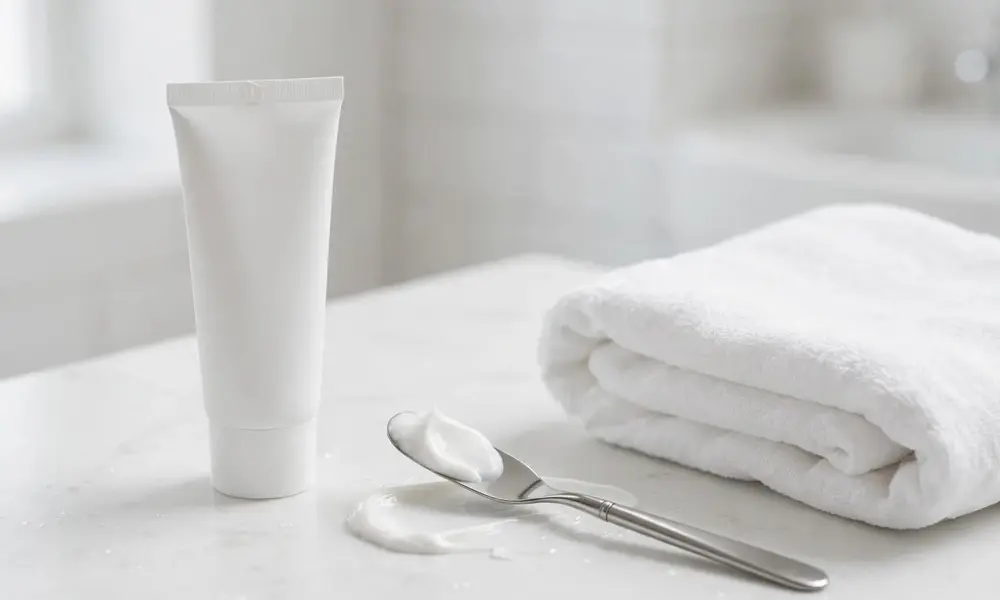
Sulfur. The quiet specialist. It dries active blemishes, calms redness, and works while you sleep. It smells faintly of struck matches, a fair trade for how gently it performs, and it suits skin that finds the other actives too aggressive.
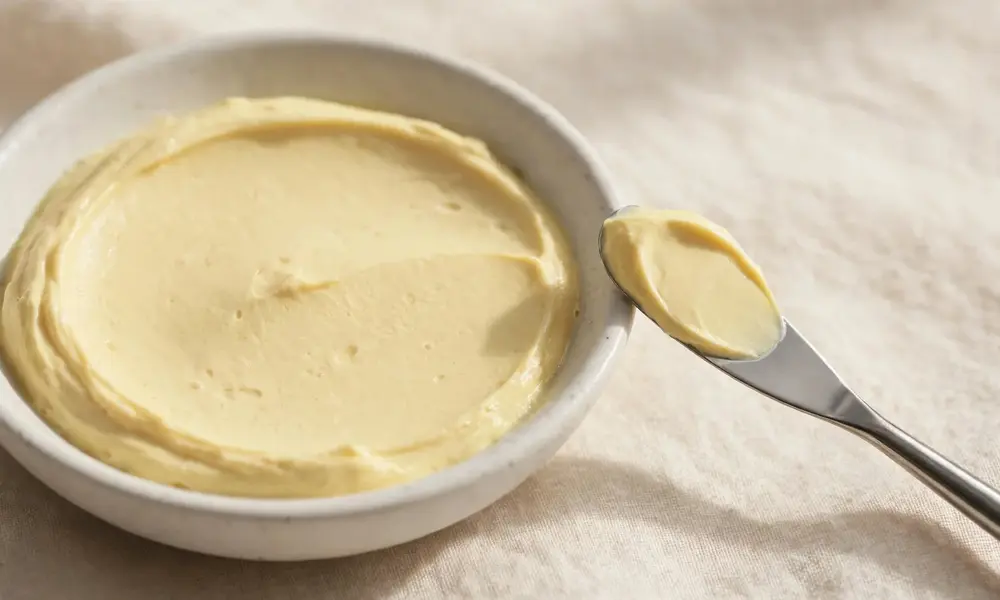
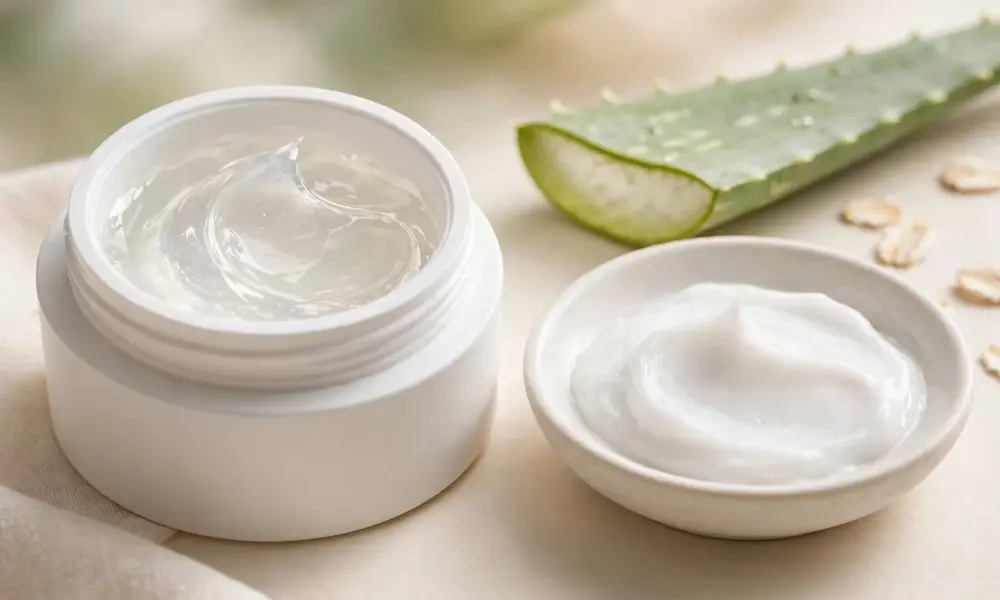
Niacinamide and calming botanicals. For the weeks when your skin is not congested but furious, after over exfoliation or a stressful month, these are the masks that put the fire out. They do nothing dramatic and that is exactly the point. Calm skin heals. Angry skin performs.
How to Build the Ritual
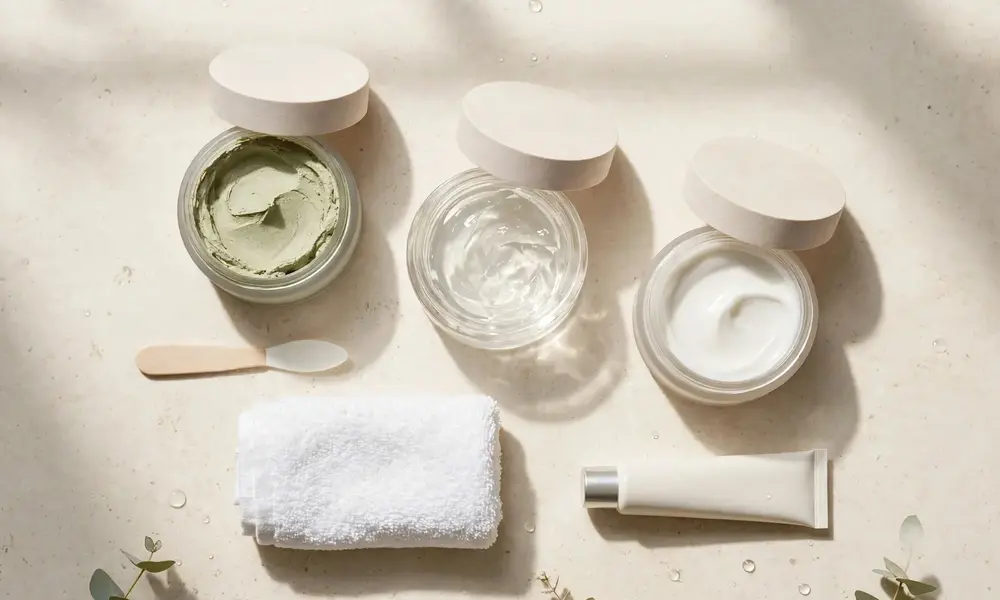
The best results come from rotation, not from one heroic product. A simple week might look like this: one clay session on the night your skin feels heavy, one salicylic mask midweek if congestion is the complaint, and a calming mask on the weekend, or after any treatment that leaves you pink. Each mask earns its place by doing one job on the right night.
Frequency matters more than strength. Two calm sessions a week for a month will beat one savage session every fortnight, every time, because skin responds to rhythm the way the body responds to training. Gentle and consistent builds the barrier. Harsh and occasional demolishes it and starts the whole cycle again.
What to Avoid, and It Matters More Than What to Buy
Perfume. A mask sits on the face for ten to twenty minutes, which is a long audition for an irritant. The best face masks for acne smell like their ingredients, which is to say faintly of clay, faintly of nothing. A strongly perfumed mask is telling you where the budget went, and it was not the formula.
Physical scrubs with jagged particles. Breakout prone skin is already inflamed; sanding it with crushed pits or shells adds micro injuries on top of the original complaint. Chemical exfoliants dissolve the glue between dead cells. Scrubs drag them off along with whatever was underneath.
And the urge to multitask. Do not layer an exfoliating mask over a retinoid night, do not stack two actives in the same evening, and never treat the morning of an important day as an experiment. Skin, like all honest things, rewards patience and punishes panic.
The Deeper Point About Skin Care
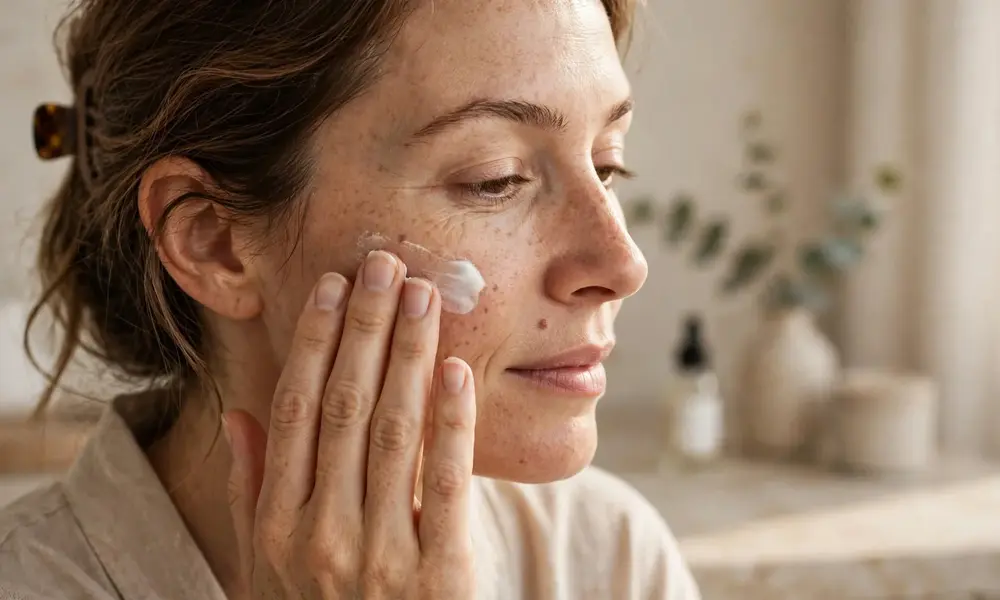
There is a reason the great beauty houses endure for generations, and it is not advertising. It is the discipline of doing simple things with rare consistency, the same discipline that built the beauty houses that hold royal warrants, whose products crossed palace thresholds because they worked, year after year, without drama.
The same patience produced the most considered fragrance of the twentieth century, a formula so balanced it is still studied in the history of Chanel No 5, and the quiet confidence of houses that shaped decades, as our piece on the fragrances that defined their eras explores. Skin care rewards exactly that temperament: modest claims, honest ingredients, and time.
A mask is ten quiet minutes in a loud week. Treat it that way and it will return the favor.
A Method for the Aisle
Here is the whole guide folded into one decision.
First, name the job: lift, treat, or calm. Clay for oil, salicylic acid for clogged pores, benzoyl peroxide for inflamed breakouts, sulfur for angry spots, calming formulas for over treated skin.
Second, read the first five ingredients and reject anything heavily perfumed.
Third, start at the gentlest strength and use it once a week before considering more.
Fourth, pair every active with a plain moisturizer and a sunscreen the next morning, because treated skin is photosensitive skin.
And fifth, give any new mask six weeks before judging it. Skin runs on a monthly cycle. Reviews written after three days measure excitement, not results.
Frequently Asked Questions
What are the best face masks for acne?
The most effective contain clay for absorbing oil, salicylic acid for unclogging pores, benzoyl peroxide for reducing breakout bacteria, or sulfur for calming inflamed spots, all in formulas free of heavy perfume.
How often should I use a face mask for acne?
One to three times a week depending on the type: clay and calming masks can be used more often, while exfoliating masks with salicylic acid should start at once weekly and build slowly.
Can face masks cure acne?
No. Masks manage oil, congestion, and inflammation as part of a broader routine. Persistent, painful, or cystic acne needs professional treatment from a dermatologist.
Should a face mask for acne burn or tingle?
A mild tingle from an exfoliating acid can be normal. Burning, stinging, or tightness that lasts is a warning sign: remove the mask and choose a gentler formula.
Is clay or salicylic acid better for acne?
They do different jobs. Clay absorbs surface oil and suits shiny, congested skin. Salicylic acid penetrates the pore itself and suits blackheads and bumpy texture. Many routines use both on different nights.
What should I apply after an acne mask?
A plain, fragrance free moisturizer to protect the skin barrier, and sunscreen the following morning, since exfoliated skin is more sensitive to the sun.