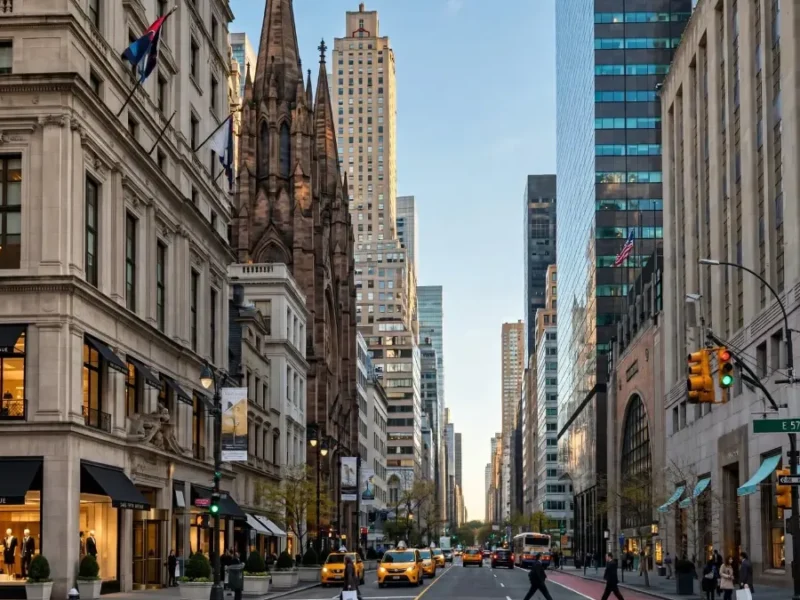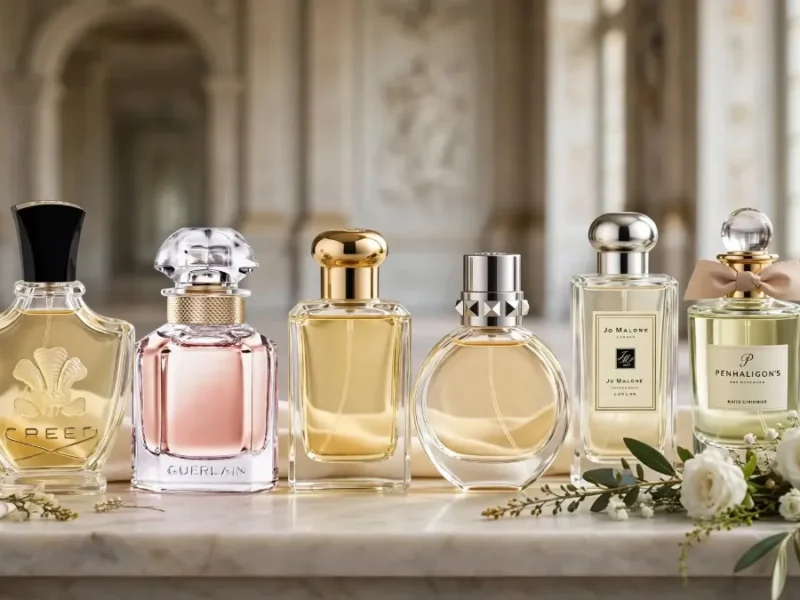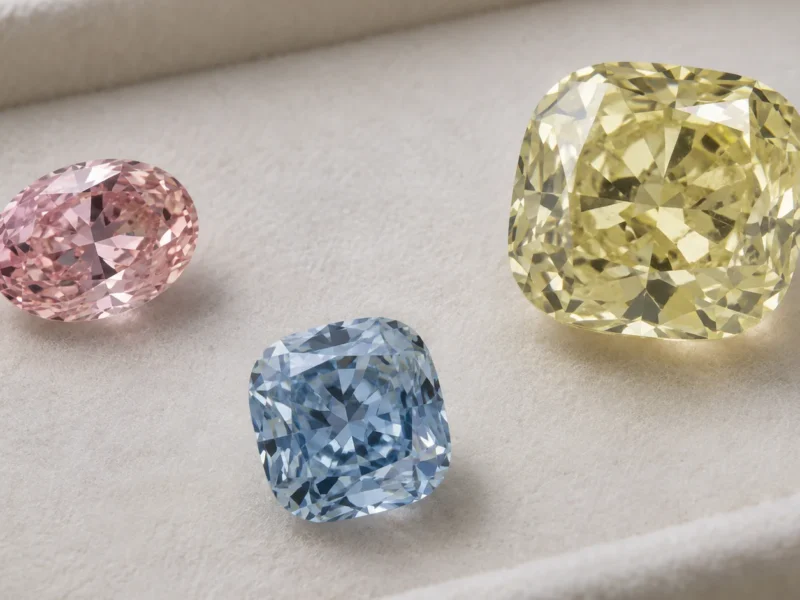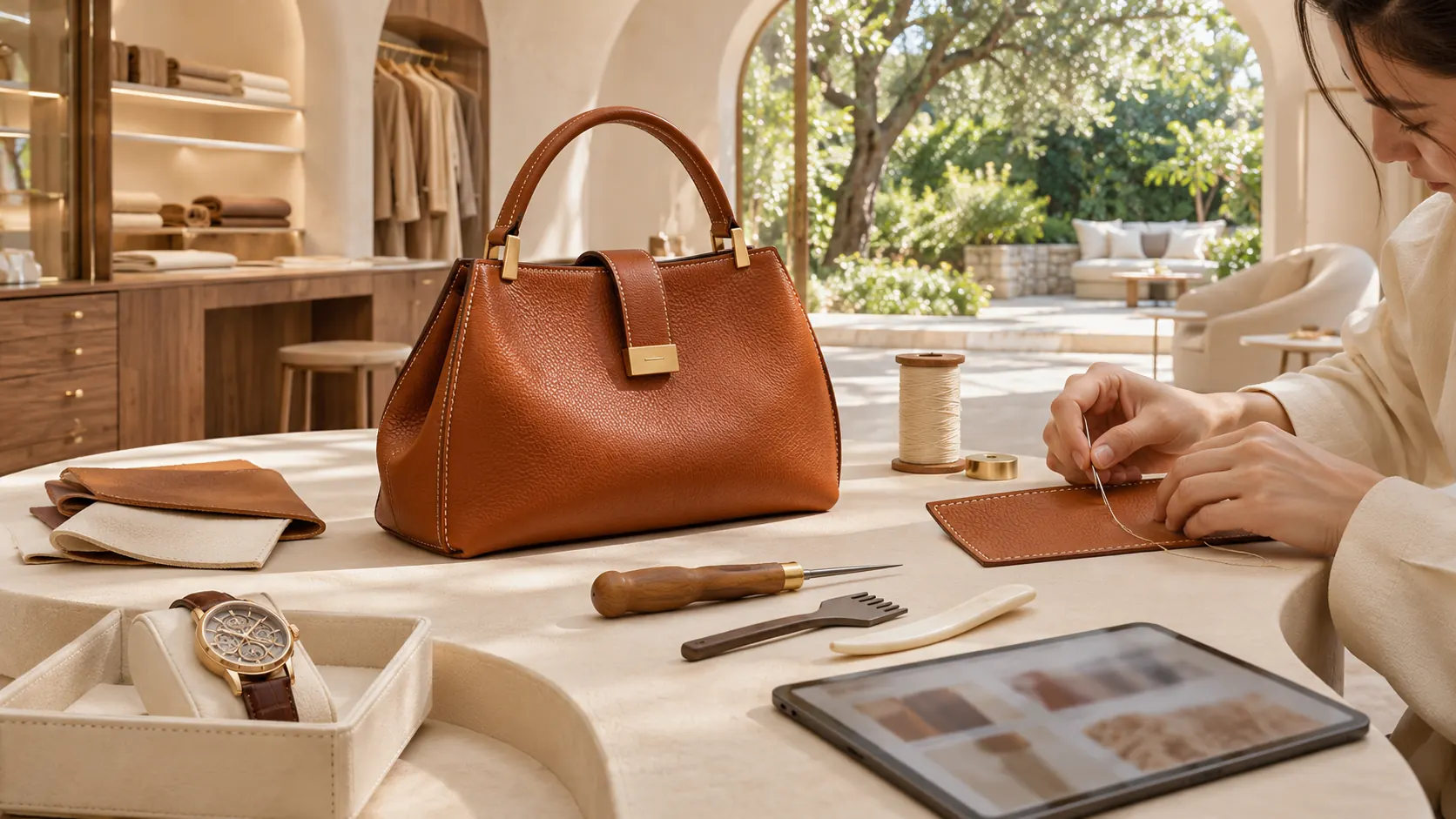
Imagine walking into a beautiful boutique in Paris. The marble floors are spotless. A carefully arranged handbag rests beneath soft lighting. Everything looks exactly as you would expect from a famous luxury house. Yet this scene offers a glimpse into the future of luxury in 2027, where craftsmanship, personalization, and meaningful customer experiences are becoming increasingly important.
But something feels different. Instead of immediately discussing the latest collection, the sales associate asks whether you’d like to see how the bag was made. You discover the leather’s origin, learn about the workshop that produced it, and find out whether the piece can be repaired years from now.
Your preferences are already available from an earlier appointment, but the conversation feels wonderfully personal rather than automated.
And when you finally ask about the price, you receive something more satisfying than a polished explanation about heritage. You receive a reason to believe it’s worth paying. That imagined scene captures one of the most interesting possibilities for the future of luxury in 2027.
For decades, luxury brands could rely on recognizable names, desirable products, exclusive boutiques, and extraordinary storytelling. Those qualities still matter. But consumers have become more questioning. Higher prices have made some traditional luxury purchases harder to justify, while technology has made it easier to compare products, discover alternatives, and explore the secondhand market.
The future of luxury in 2027 is likely to be shaped by stronger demands for craftsmanship, meaningful experiences, personalization, resale, transparency, and better value not simply higher prices or more exclusive logos. This isn’t the end of luxury. Far from it. It may be the beginning of a more interesting chapter, one in which beautiful objects need to deliver something beyond the excitement of owning them.
And for anyone who loves fashion, extraordinary hotels, fine jewelry, automobiles, and the art of living beautifully, that’s a future worth exploring.
Key Takeaways
- The luxury industry is entering 2027 after a period of slower growth and renewed pressure to justify premium prices.
- Bain and Altagamma’s June 2026 outlook projected 2–4% growth in personal luxury goods for 2026, following a market valued at €358 billion in 2025.
- Craftsmanship, distinctive design, and meaningful customer experiences are becoming increasingly important competitive advantages.
- AI-assisted shopping is changing how people discover, compare, and select luxury products.
- Secondhand luxury is becoming a more established part of premium shopping rather than simply an alternative for bargain hunters.
- Luxury travel is increasingly focused on privacy, personalization, family experiences, and meaningful cultural encounters.
- The European Union’s developing Digital Product Passport framework could increase expectations around product transparency.
- The strongest luxury brands in 2027 may be those that offer a convincing reason to buy, keep, repair, and enjoy their products.
Is the Luxury Industry Growing or Slowing Down Heading Into 2027?
Here’s an interesting contradiction.
Luxury remains an enormous global industry, yet some of its most recognizable fashion houses have spent recent years confronting softer demand, changing consumer expectations, and questions about pricing.
The industry hasn’t lost its appeal.
But the idea that every luxury brand can increase prices indefinitely without improving what customers receive is becoming harder to sustain.
According to Bain and Altagamma’s June 2026 luxury market update, global personal luxury goods spending reached approximately €358 billion in 2025.
The researchers projected growth of 2–4% for 2026, potentially bringing the market to between €365 billion and €373 billion.
That suggests gradual recovery rather than an explosive new boom.
The broader luxury market, including experiences and other categories, follows a different trajectory. Hospitality, restaurants, and certain high-end experiences have demonstrated stronger momentum than many personal luxury goods.
What’s especially interesting is that the market is not moving in one direction everywhere.
The United States has remained important for demand, while recovery in China and conditions in Europe have varied.
By 2027, luxury brands may face a marketplace in which growth depends less on selling the same products at progressively higher prices and more on winning back customer enthusiasm.
And that leads to our first major trend.
1. Craftsmanship Will Have to Prove Its Worth
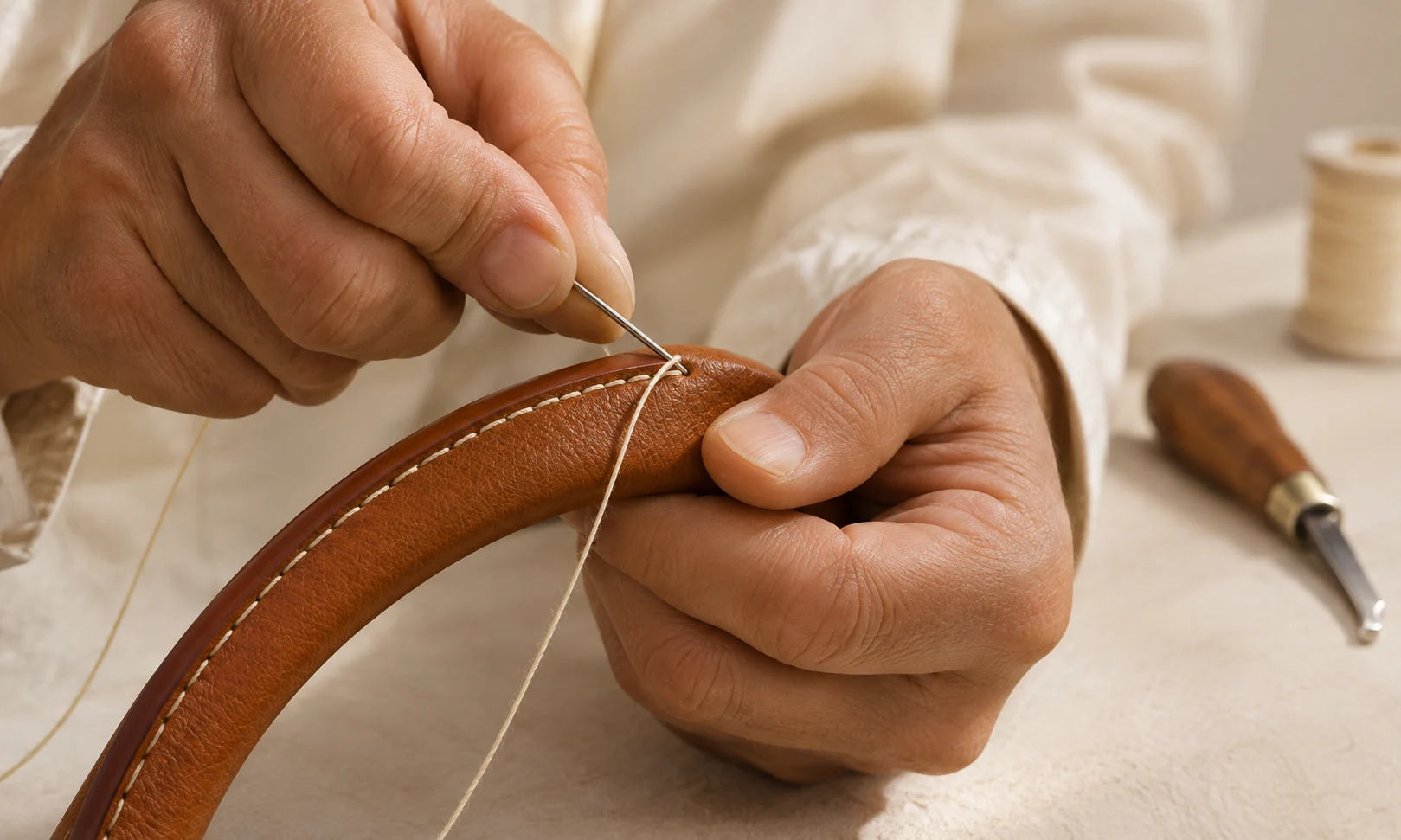
There’s something extraordinary about watching a skilled artisan work.
A leatherworker carefully finishing the edge of a handbag.
A watchmaker adjusting a mechanical movement.
A tailor shaping a jacket until it sits beautifully on the shoulders.
These processes have always been central to the appeal of luxury.
But by 2027, the story behind craftsmanship may need to become more visible and specific.
Customers increasingly have access to information about materials, production, and competing brands.
A high price alone doesn’t demonstrate exceptional quality.
Neither does a famous logo.
The brands that communicate genuine material expertise, thoughtful construction, repairability, and creative distinction may have a stronger argument for their prices.
Consider Italian luxury fashion.
The most interesting houses have built their reputations around different strengths, from leatherworking and tailoring to textiles and design.
Our guide to Italian luxury fashion brands explores those differences in detail.
The 2027 prediction: Luxury consumers will increasingly expect brands to show what makes an item exceptional rather than simply describe it as exclusive.
For shoppers, that creates a wonderful opportunity.
Ask questions.
Examine the stitching.
Learn about the materials.
Understand what can be repaired.
Beautiful craftsmanship should reward curiosity.
2. AI Will Change Luxury Shopping, but Human Attention Will Become More Valuable

Picture searching for the perfect evening bag.
Instead of opening twenty different websites, you explain what you’re looking for to an AI shopping assistant.
You want black leather, understated hardware, enough room for your essentials, and a shape that works with both evening dresses and tailored trousers.
The assistant compares dimensions, materials, product information, and availability.
It may even identify suitable secondhand options.
That kind of shopping experience is becoming increasingly plausible.
Bain reported in June 2026 that roughly half of luxury shoppers were already using AI somewhere in their purchasing journey.
But convenience alone isn’t the whole story.
Luxury has always involved human relationships.
A wonderful boutique associate remembers what you enjoy. A skilled tailor notices details you might overlook. An excellent travel advisor understands why a particular hotel or destination matters to you.
Those interactions create emotional value.
And that becomes particularly important when technology makes ordinary recommendations easier to obtain.
The 2027 prediction: AI will increasingly handle discovery and comparison, while the most memorable luxury experiences will combine technology with knowledgeable human service.
The brands that automate everything may become efficient.
The brands that use technology to make people feel genuinely understood could become far more compelling.
3. Secondhand Luxury Will Become Part of the Main Shopping Conversation
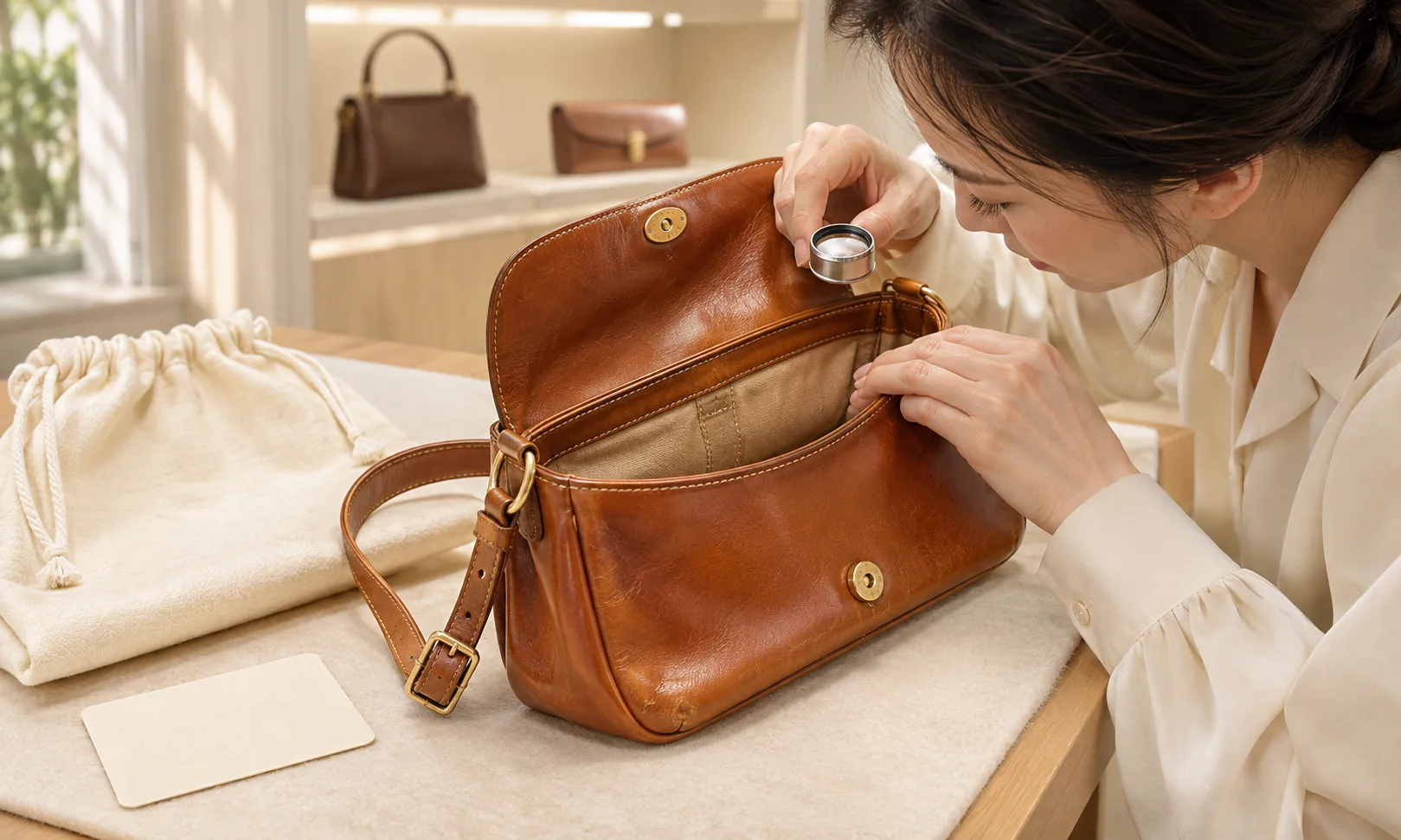
Imagine finding a beautifully maintained designer handbag from a collection released fifteen years ago.
The leather is in excellent condition.
The shape feels timeless.
And perhaps the craftsmanship or design details are more appealing to you than what’s currently available in boutiques.
Why should that feel like a second-best purchase?
It shouldn’t.
Resale is becoming an increasingly established part of fashion consumption.
ThredUp’s 2026 Resale Report projects that the global secondhand apparel market could reach approximately $393 billion by 2030.
That figure covers secondhand apparel broadly, not exclusively luxury fashion.
Still, the wider shift matters.
Bain’s 2026 luxury research also found that about half of luxury shoppers consult secondhand options before buying new.
For buyers, resale can offer access to discontinued designs, distinctive vintage pieces, and prices below original retail.
For luxury brands, it creates a more complicated challenge.
They need to protect product identity and customer trust while recognizing that products increasingly move between owners.
Authentication, repair services, and product histories may become more important.
The 2027 prediction: More consumers will evaluate a luxury purchase partly through its potential second life.
That doesn’t mean every designer bag is an investment.
Resale prices fluctuate, and many items lose value.
But the ability to repair, authenticate, and resell a product can contribute meaningfully to the ownership experience.
4. Luxury Travel Will Be About Personal Meaning, Not Just Spectacular Hotels
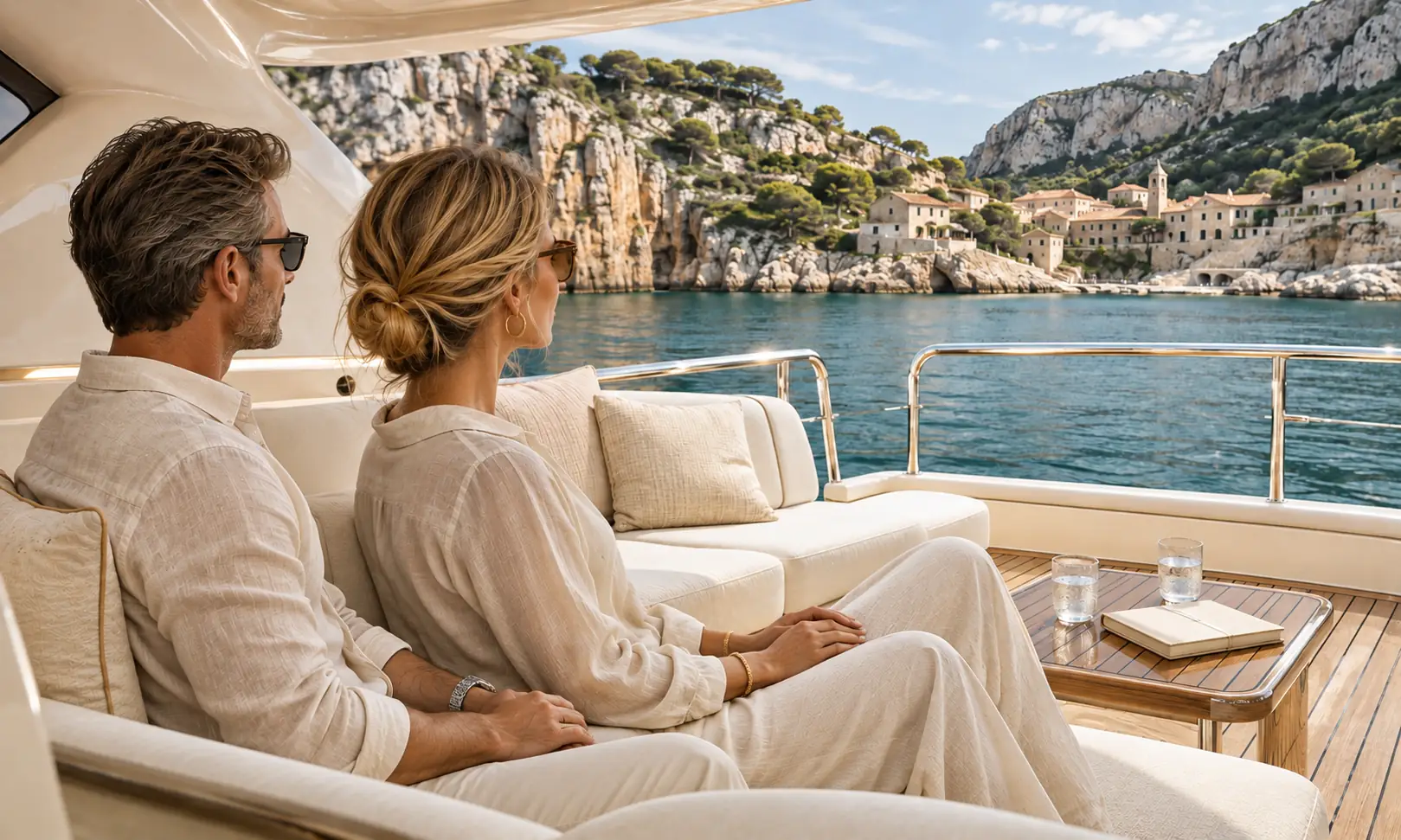
Imagine booking a five-star hotel with an extraordinary lobby, a beautiful swimming pool, and a room overlooking the sea.
Everything is perfect.
Yet you leave feeling that the trip could have happened almost anywhere.
Now imagine a smaller hotel where the staff understands your preferences, the itinerary includes experiences connected to local culture, and you return home with memories that feel uniquely yours.
Which experience is more luxurious?
For a growing number of travelers, the answer may be the second.
The 2027 Virtuoso Luxe Report, based on input from more than 3,100 travel advisors, identifies multigenerational family travel as a leading trend.
It also ranks Japan as the most requested global luxury destination for 2027, ahead of Italy.
Expedition cruising, cultural experiences, and personalized trips remain important themes.
Meanwhile, Hilton’s 2027 Trends Report, based on a survey of more than 14,000 travelers, highlights flexibility, trusted expertise, wellness, and experiences that provide lasting personal value.
The two research programs examine different traveler populations, but their findings point toward an interesting direction.
Travelers want more than impressive surroundings.
They want experiences that matter to them.
The 2027 prediction: Luxury hospitality will increasingly compete through personalization, cultural depth, family experiences, and thoughtful service rather than spectacular facilities alone.
For inspiration, explore our guide to luxury travel destinations for food lovers, where exceptional dining becomes a way of understanding a destination rather than simply another expensive reservation.
5. Quiet Luxury Will Evolve Beyond Neutral Colors and Discreet Logos
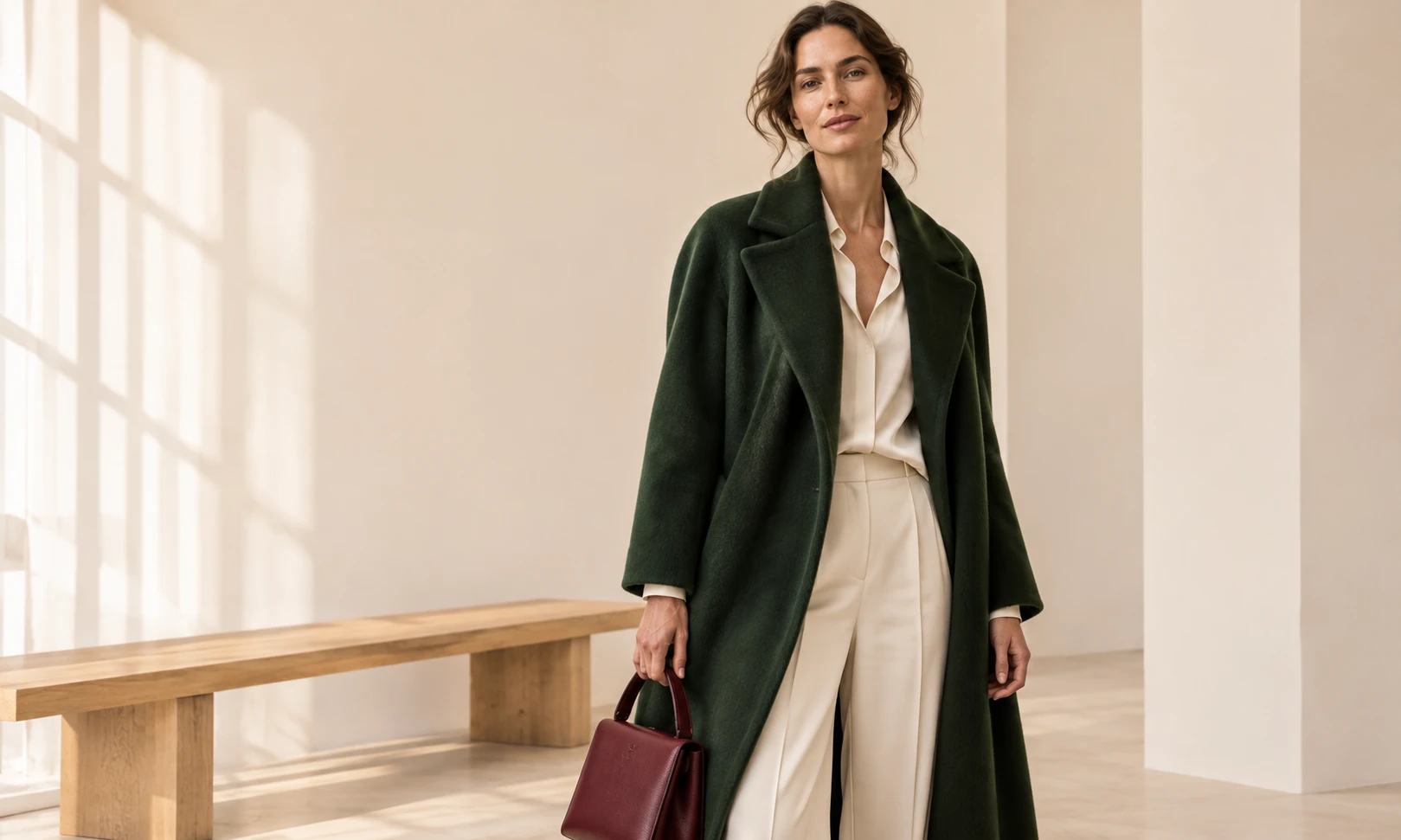
There was a moment when quiet luxury seemed to mean wearing beige trousers, a cream cashmere sweater, and an extraordinarily expensive coat without a visible logo.
The aesthetic is beautiful.
But its deeper appeal was never really about the color beige.
It was about restraint, fabric quality, proportion, and confidence.
By 2027, I expect that philosophy to become more interesting.
People may increasingly distinguish between clothing that merely looks understated and clothing that genuinely demonstrates quality.
A minimalist jacket isn’t automatically well made.
A logo-free handbag isn’t necessarily more durable than a recognizable designer piece.
And a neutral wardrobe doesn’t suit everyone’s personality.
The strongest evolution of quiet luxury will embrace individual style while retaining its appreciation for thoughtful materials and construction.
Our article on quiet luxury fashion explores the principles behind the aesthetic.
The 2027 prediction: Quiet luxury will become less about copying a specific look and more about choosing pieces that communicate personal taste.
Beautiful luxury doesn’t have to whisper.
But it should have something worthwhile to say.
6. Product Transparency Could Become a New Form of Prestige
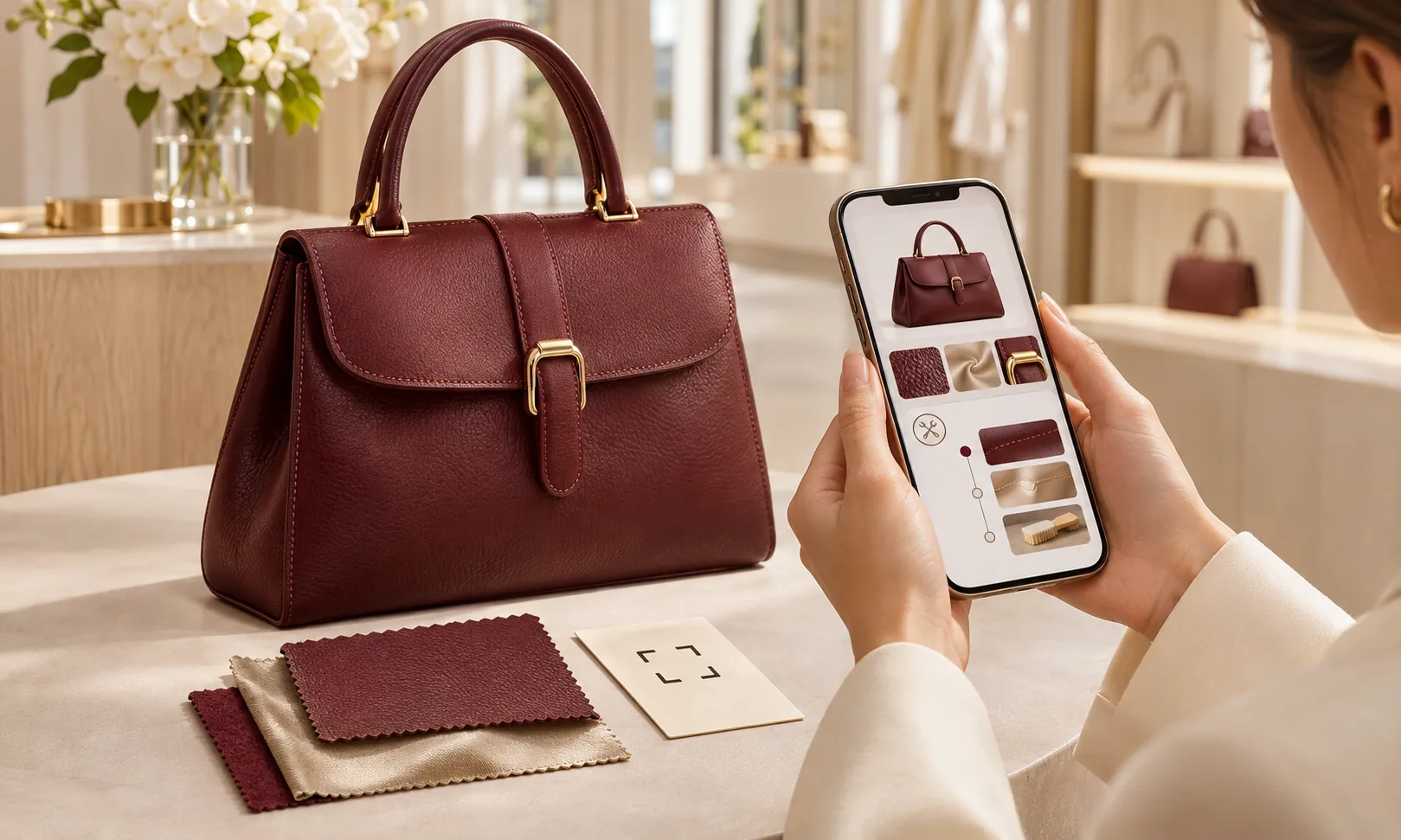
Imagine purchasing a luxury jacket and being able to access reliable information about its materials, production, care, and repair options.
Not through an elaborate marketing story.
Through structured information associated with the product itself.
This is one direction in which fashion transparency is developing.
The European Union’s Digital Product Passport framework aims to make certain product information more accessible and useful across supply chains.
The European Commission’s indicative schedule includes the development of textile-specific requirements during 2027.
However, that does not mean every fashion item sold in Europe will suddenly require a fully implemented digital passport in 2027.
Sector-specific rules and transition periods determine when requirements apply.
Still, the wider direction is significant.
Luxury brands may face increasing expectations to explain how products are made and how they can be maintained, repaired, or circulated.
The 2027 prediction: Product history and credible traceability will become more important parts of luxury value.
That could benefit buyers who want to make thoughtful decisions.
But transparency needs to be meaningful.
A QR code that leads to vague advertising is not the same as reliable information about an actual product.
7. Personal Wellness Will Become Part of the Luxury Lifestyle Conversation

For a long time, luxury lifestyle marketing often centered on possessions.
A spectacular car.
A beautiful house.
An extraordinary watch.
Those things aren’t disappearing.
But wellness, rest, and personal comfort have become increasingly important parts of premium consumer experiences.
Luxury hotels are expanding their focus on restorative travel.
High-end retreats combine comfortable accommodation with fitness, relaxation, and carefully designed schedules.
Some travelers are prioritizing nature, privacy, and time away from constant digital stimulation.
What’s interesting is that these experiences aren’t necessarily about doing more.
Sometimes they’re about doing less.
Fewer appointments.
Less noise.
More time.
Better opportunities to enjoy the surroundings.
The 2027 prediction: Luxury wellness will increasingly be sold as personalized time and comfort, rather than merely expensive treatments or elaborate facilities.
But buyers should be thoughtful.
An expensive wellness package isn’t automatically medically effective.
Any treatment promising dramatic health improvements deserves careful evaluation.
A beautiful experience and a clinically supported intervention are not the same thing.
8. Personalization Will Matter More Than Mass-Market Exclusivity
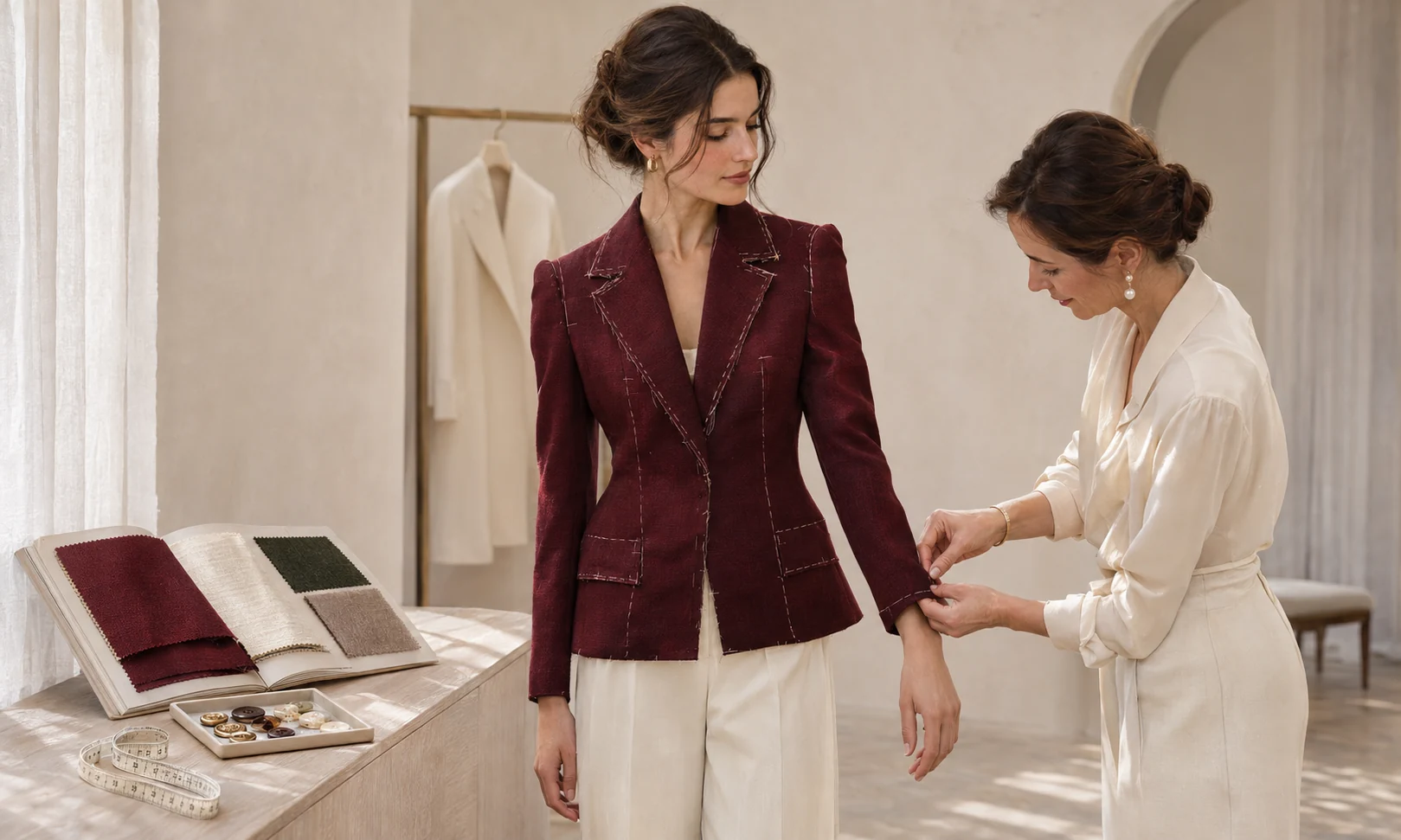
There’s a difference between owning something expensive and owning something that feels personal.
A handbag made in a color you genuinely love.
A watch engraved to celebrate an important occasion.
A hotel itinerary designed around your interests.
A fragrance selected because it suits your taste rather than because it’s fashionable.
These are different ways of creating luxury.
And the distinction matters.
Traditional luxury often emphasized scarcity: limited access, special collections, and products that only a relatively small group could purchase.
Scarcity can still be appealing.
But exclusivity becomes less meaningful when the product doesn’t connect with the person buying it.
Research from McKinsey and The Business of Fashion in 2026 identified emotional connection as an important driver of luxury brand desirability in both the United States and China.
That suggests a more demanding future for luxury storytelling.
The 2027 prediction: Brands that understand individual customers and offer genuinely relevant choices will have an advantage over those that rely only on prestige.
A personal connection cannot be manufactured simply by adding somebody’s initials to a product.
It needs to feel authentic.
9. The Next Luxury Winners May Be Those That Make Ownership Easier
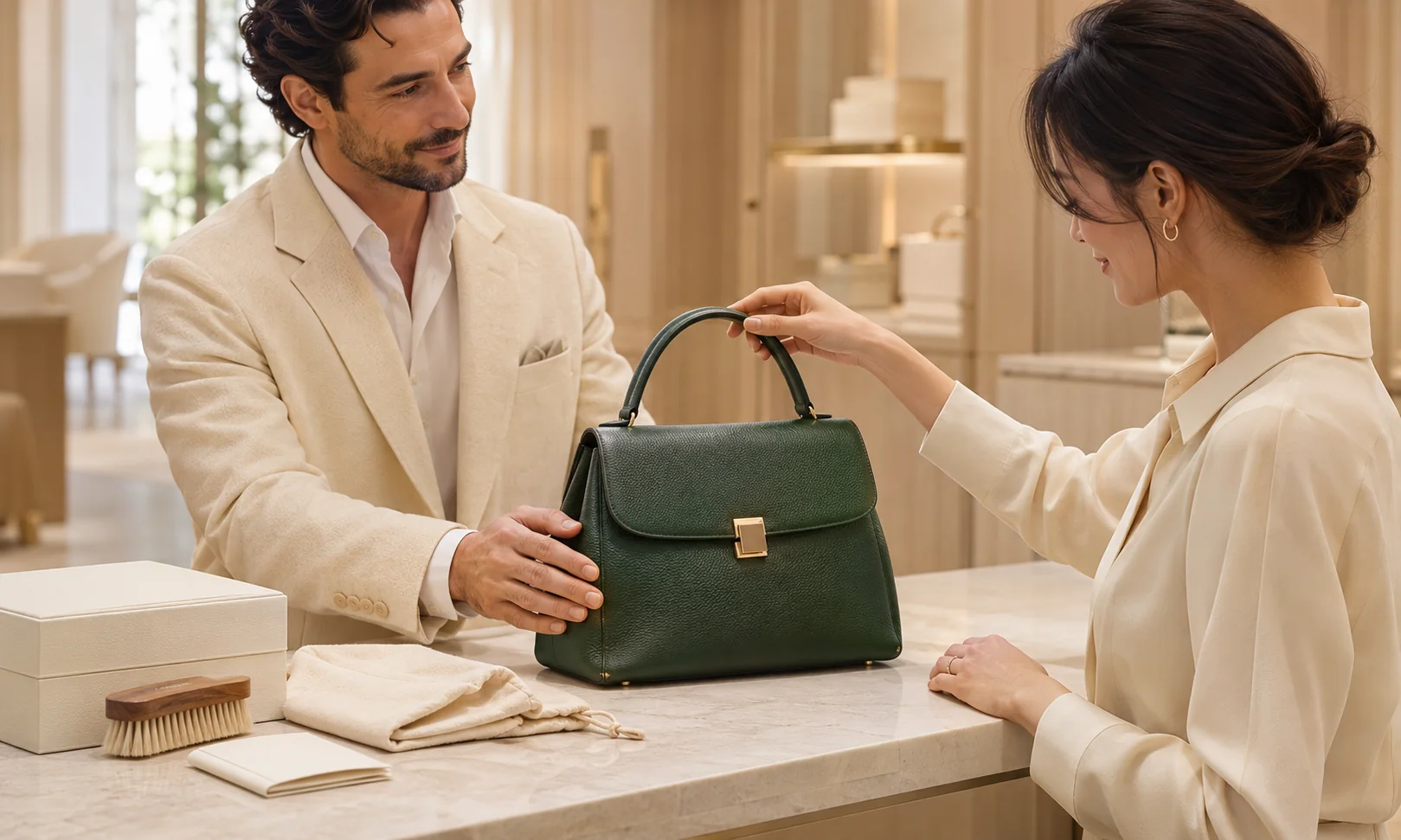
Here’s the trend I find especially interesting.
For many years, luxury buying focused heavily on acquisition.
The beautiful moment when the box is opened.
The first time a watch is worn.
The excitement of carrying a new handbag.
But what happens afterward?
Does the brand offer repairs?
Are replacement parts available?
Can the product be maintained properly?
Is customer service helpful five years after the purchase?
Can the owner easily discover care instructions?
These questions may matter more as consumers become selective.
Imagine two similarly priced leather bags.
Both are beautiful.
But one comes with clear repair information, dependable after-sales support, and practical care guidance.
The other offers little assistance once the purchase is complete.
The difference may not be obvious in the boutique.
Over several years, it could become extremely important.
The 2027 prediction: The complete ownership experience, from purchase to maintenance and eventual resale, will become a stronger part of luxury competition.
And that’s a development worth welcoming.
The best luxury objects should continue bringing pleasure long after their packaging has been discarded.
What Could the Global Luxury Market Look Like in 2027?
Nobody knows the final figures yet.
But we can explore possible outcomes without pretending they are guaranteed forecasts.
Bain and Altagamma’s June 2026 baseline projected between €365 billion and €373 billion for the personal luxury goods market in 2026.
The midpoint is approximately €369 billion.
Using that midpoint, PraviCeler has calculated three simple illustrative scenarios for 2027.
| Illustrative 2027 scenario | Assumed annual change | Market value |
| Cautious | -2% | €362 billion |
| Moderate recovery | +2% | €376 billion |
| Stronger recovery | +5% | €387 billion |
These are PraviCeler scenario calculations, not published 2027 forecasts from Bain or another research organization.
They apply hypothetical growth rates to the midpoint of a 2026 projection.
The results would change if the final 2026 market figure differs from that midpoint.
Their purpose is to show the scale of possible outcomes, not predict which one will happen.
A stronger recovery might follow improving consumer confidence, compelling new collections, and better demand in important markets.
A weaker outcome could follow economic disruption, continued pressure on aspirational shoppers, or disappointing product innovation.
The interesting conclusion is that even modest growth differences can translate into billions of euros across a market of this size.
For brands, that makes customer loyalty and perceived value enormously important.
The PraviCeler Luxury Proof Test: How to Tell Whether a Brand Deserves Its Price
Here’s a concept I think the luxury industry needs.
Not another ranking based entirely on brand recognition.
Not another list of handbags arranged according to how expensive they are.
But a practical way of asking whether a luxury purchase delivers something meaningful.
For PraviCeler, I’ve developed the Luxury Proof Test, an original five-part editorial framework.
Before making a significant purchase, examine these five questions.
1. Craftsmanship
Can you identify meaningful evidence of construction quality, material expertise, or thoughtful design?
2. Creative Identity
Does the product offer something distinctive, or does it feel interchangeable with dozens of alternatives?
3. Personal Value
Will the purchase improve your experience, express your style, or create a meaningful memory?
4. Ownership Support
Can the item be maintained, serviced, repaired, or otherwise cared for appropriately?
5. Price Integrity
Does the price feel justified relative to comparable products, your budget, and the actual benefits?
Give each category a score from zero to two.
A maximum of ten points suggests a particularly strong fit for your needs.
A lower score doesn’t necessarily mean the product is poorly made. It may simply mean it’s not the right purchase for you.
This is an editorial decision tool, not an independently validated product-quality assessment.
And that distinction matters.
The purpose isn’t to declare one brand universally superior.
It’s to help readers develop their own standards of luxury.
The Future of Luxury in 2027: What Should Buyers Watch?
If you’re planning a major luxury purchase in the coming year, consider these practical checks.
- Look beyond price increases and examine what has actually improved.
- Ask about the materials and construction of expensive fashion products.
- Compare reputable secondhand options before buying new.
- Check the availability of servicing, repairs, and replacement components.
- Assess whether a personalized service genuinely matches your preferences.
- Treat sustainability claims as questions to investigate, not automatic guarantees.
- Compare the total cost of ownership, not just the purchase price.
- Choose luxury travel experiences based on what you’ll remember and enjoy.
The most confident luxury buyer isn’t necessarily the person who spends the most.
It’s the person who understands what they’re paying for.
Frequently Asked Questions About the Future of Luxury in 2027
What is the future of luxury in 2027?
Luxury in 2027 is expected to place greater emphasis on craftsmanship, personalized service, meaningful experiences, AI-assisted shopping, resale, and product transparency. Actual outcomes will depend on economic conditions and consumer demand.
Will the luxury market grow in 2027?
Growth is possible, but it isn’t guaranteed. Bain and Altagamma forecast moderate personal luxury goods growth for 2026. The eventual 2027 result will depend on how markets, brands, and consumer confidence develop.
What will luxury consumers value most in 2027?
Current research suggests growing importance for product quality, emotional connection, personal service, meaningful experiences, and credible value. Preferences will differ by region, generation, and purchasing power.
Will AI replace luxury shopping assistants?
AI is likely to become more useful for discovery, comparison, and personalization. However, knowledgeable human service remains important in premium retail, especially for complex or highly personal purchases.
Will quiet luxury still be popular in 2027?
Understated fashion is likely to remain relevant, but it may evolve beyond neutral colors and discreet branding toward more individual interpretations of quality and personal style.
Is secondhand luxury the future?
Resale is an increasingly important part of fashion consumption, but it is unlikely to replace all new luxury purchases. Its role will depend on authentication, trust, pricing, supply, and buyer preferences.
What luxury travel trends are expected in 2027?
Luxury travel research highlights multigenerational trips, personalized experiences, expedition cruising, cultural immersion, wellness, and growing interest in destinations such as Japan.
What is the biggest challenge for luxury brands in 2027?
One major challenge is rebuilding and maintaining customer trust while demonstrating that premium prices are supported by distinctive design, craftsmanship, quality, and service.
Final Thoughts: Perhaps the Greatest Luxury of 2027 Will Be Having a Reason to Care
There will always be something magical about extraordinary craftsmanship.
The beautiful handbag that feels wonderful in your hands.
The watch whose movement represents years of technical expertise.
The hotel where every detail seems to have been considered.
Or a piece of jewelry that carries a story you’ll remember for the rest of your life.
Those experiences deserve to be celebrated.
But something interesting is happening to the meaning of luxury.
The price tag is no longer the entire conversation.
People want to understand the story behind what they’re buying. They want to know whether the object will last, whether the experience will feel personal, and whether the purchase will bring genuine pleasure.
And perhaps that’s the most exciting possibility for 2027.
Not a world where beautiful things become less special.
A world where they have to become more meaningful.
Where thoughtful service matters.
Where technology makes discovery easier without removing the pleasure of human connection.
And where luxury becomes less about proving that you can afford something and more about knowing why you want it.
Because the best things in life, expensive or otherwise, don’t simply look impressive.
They make us feel something.
And if luxury in 2027 becomes more thoughtful, more personal, and more beautiful because of that, it may be entering its most interesting era yet.