
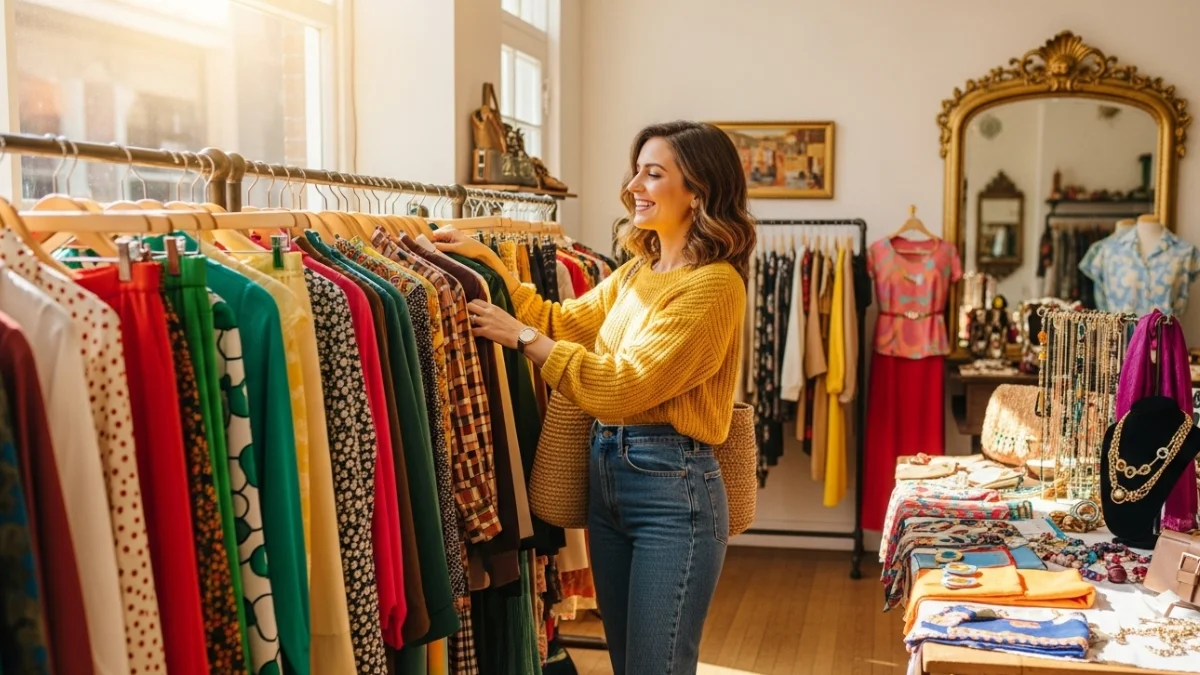
Welcome to this vintage shopping guide, created for everyone who loves unique finds. This article explores how to shop vintage confidently and enjoyably. This guide is packed with tips, checklists, and expert advice for every vintage lover. Shopping vintage can be both fun and bright when you know the basics.
What Is Vintage? (vs Antique, Retro, Secondhand)
Many people use “vintage,” “antique,” and “retro” interchangeably, but they’re not the same. In simple terms, vintage means items about twenty to ninety-nine years old. This clarity helps you buy confidently and avoid confusing modern reproductions with true vintage treasures. Knowing these definitions gives you a head start before you step into any shop.
Defining Vintage Clearly
Vintage pieces are older than new but younger than true antiques. They often reflect a period style, quality craftsmanship, or rare materials. Understanding this helps you shop vintage more wisely and make better decisions. A clear definition also makes online searches more effective and rewarding.
How Vintage Differs From Antique and Retro
Antiques are items that are typically over a hundred years old. Retro describes newer pieces that imitate styles from previous decades. Knowing these differences makes your vintage shopping trips more straightforward and more successful. You’ll quickly recognise whether an item is authentic vintage or a reproduction.
Secondhand and Thrift vs Vintage
Secondhand refers to any previously owned items, regardless of age or style. Thrift stores often mix newish donations with genuine vintage pieces. Learning to separate them saves you money and time while shopping vintage. This skill improves your ability to find hidden gems.
Why Use a Vintage Shopping Guide (Benefits & Mindset)
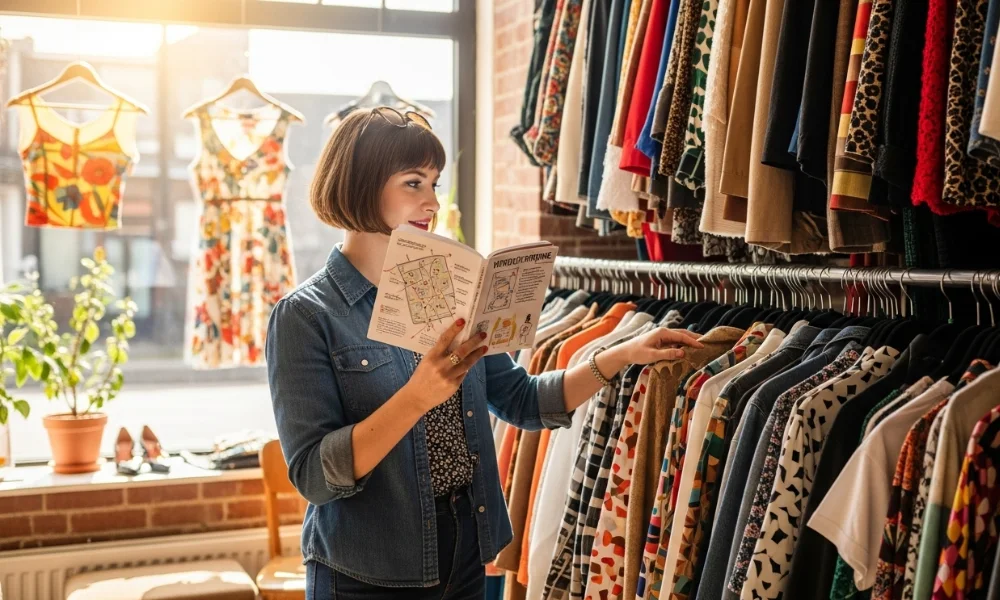
Shopping vintage can feel overwhelming if you’re unsure where to start. A good vintage shopping guide helps you navigate shops, markets, and online platforms with ease. It gives you the mindset to find special pieces while avoiding common mistakes. Following a structured approach also makes your shopping trips less stressful.
Unique Style and One-of-a-Kind Pieces
Vintage items offer character, charm, and individuality you rarely find in modern stores. They also let you tell a story through what you wear or display. This makes vintage shopping an exciting adventure rather than just a purchase. Each find becomes part of your personal style journey.
Sustainability and Eco-Friendly Fashion
Buying vintage means extending the life of existing products instead of creating new waste. It’s a practical way to embrace sustainability without sacrificing style or quality. More people are turning to vintage for this eco-friendly advantage. Supporting secondhand culture also reduces demand for fast fashion production.
Potential Value and Investment
Some vintage pieces, especially rare items, can rise in value over time. Understanding which eras or brands appreciate can make your purchases smart investments. This mindset helps you shop vintage with both heart and strategy. Collecting wisely can even turn into a profitable hobby.
Where to Shop Vintage (Online & Offline)
Shopping vintage is exciting because you can explore both online and offline options. Local stores, flea markets, and specialty boutiques offer hidden treasures waiting for discovery. Online marketplaces make it easy to shop vintage from the comfort of home. Knowing where to look saves you time and helps you find authentic pieces.
Physical Venues
Flea markets, thrift shops, and consignment stores are perfect for beginners. These places often have a mix of true vintage and newer secondhand items. Visit regularly because inventory changes frequently and the best pieces go fast. Early mornings at flea markets often bring the most exciting finds.
Online & Digital Marketplaces
Online platforms like Etsy, eBay, Depop, and Vestiaire Collective have countless vintage pieces. You can filter by era, size, or price to narrow your search. Always check seller reviews and authenticity policies before buying. Shopping vintage online lets you compare prices and availability easily.
Speciality and Archival Sellers
Some shops focus on high-end or archival vintage items, including luxury brands. These sellers often authenticate their pieces and provide detailed descriptions. Although prices can be higher, quality and rarity usually justify the cost. This option is ideal if you’re looking for something truly unique.
Regional and Local Market Tips
Every region has vintage fairs, weekend markets, or pop-up events. Researching local vintage shopping spots helps you find hidden gems others may miss. Some cities host annual vintage festivals featuring multiple sellers under one roof. Being aware of these events expands your shopping opportunities.
How to Shop Vintage: Tips & Checklist
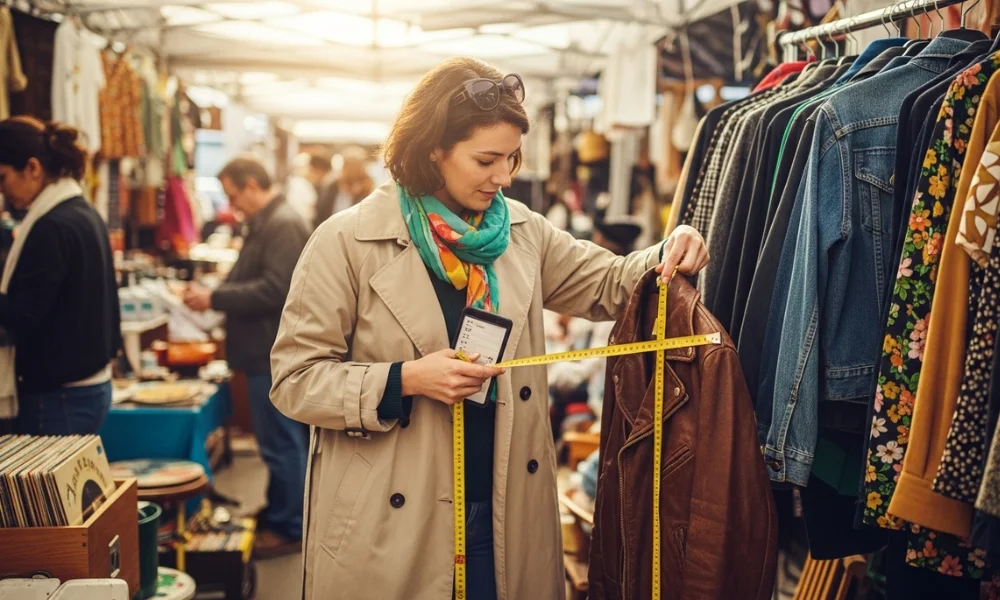
Knowing how to shop vintage well is the key to great finds. A structured checklist helps you focus and avoid buying items that disappoint later. It’s about combining your excitement with practical steps to make wise choices. Following these tips turns every shopping trip into a rewarding experience.
Inspect Condition and Authenticity
Always examine seams, zippers, lining, and tags for signs of wear. One useful step is learning brand tags and maker marks from different eras. This knowledge helps you avoid fakes and reproductions confidently. Careful inspection ensures you pay for true quality instead of damaged goods.
Measure and Fit (Vintage Sizing Differences)
Vintage sizing often differs from modern sizing, sometimes by several inches. Bring a tape measure and know your own body measurements before you shop. Compare garment flat measurements with your own to ensure a good fit. This step saves you from disappointment after you’ve fallen in love with an item.
Price and Negotiation Strategies
Prices at vintage stores and markets can often be negotiated politely. Sellers expect bargaining at flea markets but not always at curated boutiques. Factor in cleaning or minor repairs when deciding what to pay. Negotiating respectfully can help you stay on budget while still scoring great finds.
Restoration and Alteration Potential
Some flaws in vintage pieces are easily fixable, while others aren’t worth the effort. Learn which repairs, like hems, buttons, or zippers, are affordable. Calculate the cost of restoration versus the item’s final value. Considering alteration potential helps you decide if a piece is worth buying.
Red Flags and Pitfalls to Avoid
Be cautious of items labelled “vintage” that are actually modern reproductions. Look out for strong odors, severe fading, or hidden damage under linings. If a deal seems too good to be true, it often is. Avoid impulse buys by sticking to your checklist and budget.
Caring for and Preserving Vintage Finds
Looking after your vintage treasures is just as important as buying them. Proper care helps your pieces last longer and maintain their original charm. Cleaning, storing, and protecting vintage items prevents unnecessary damage over time. Following a few simple steps will keep your finds looking beautiful.
Cleaning Best Practices
Always check fabric care labels or research the material before cleaning vintage. Some items can only be hand-washed or dry-cleaned with care. Using harsh chemicals may ruin delicate fabrics or finishes permanently. Gentle cleaning methods protect both value and appearance.
Storage Tips
Store clothing in breathable garment bags and use padded hangers for shape. Furniture or décor should be kept away from direct sunlight and moisture. These steps help prevent fading, warping, and other damage that lowers value. Good storage habits preserve your investment in vintage pieces.
Restoration vs Conservation
Sometimes you may want to restore a piece, while other times it’s best left as is. Restoration can involve replacing parts, re-lining, or refinishing surfaces carefully. Conservation focuses on stabilizing without changing original features. Choosing the right approach keeps your vintage finds authentic and safe.
Regional Tips & Top Vintage Markets Around the World
Every country has its own hotspots for vintage shopping, from weekend flea markets to annual fairs. Researching local venues gives you a competitive edge and unique finds. Some markets even specialize in certain eras or product types. This knowledge helps you plan your trips for the best results.
Examples of Well-Known Markets
Here’s a simple table of examples:
| Region | Notable Vintage Market | Highlight |
|---|---|---|
| USA | Brimfield Antique Flea Market | Largest outdoor antiques show in the U.S. |
| UK | Portobello Road Market | Famous for clothing and collectibles |
| France | Les Puces de Saint-Ouen (Paris) | Iconic European flea market |
| Japan | Shimokitazawa Shops (Tokyo) | Trendy vintage fashion district |
| Pakistan | Sunday Bazaar Karachi | Mixture of thrift and genuine vintage pieces |
These examples show how widespread vintage culture is across the globe. Knowing which markets to visit can make your shopping experience richer. It also gives you ideas for sourcing pieces when travelling. Planning ahead makes your trips more fruitful.
Mistakes to Avoid During Vintage Shopping
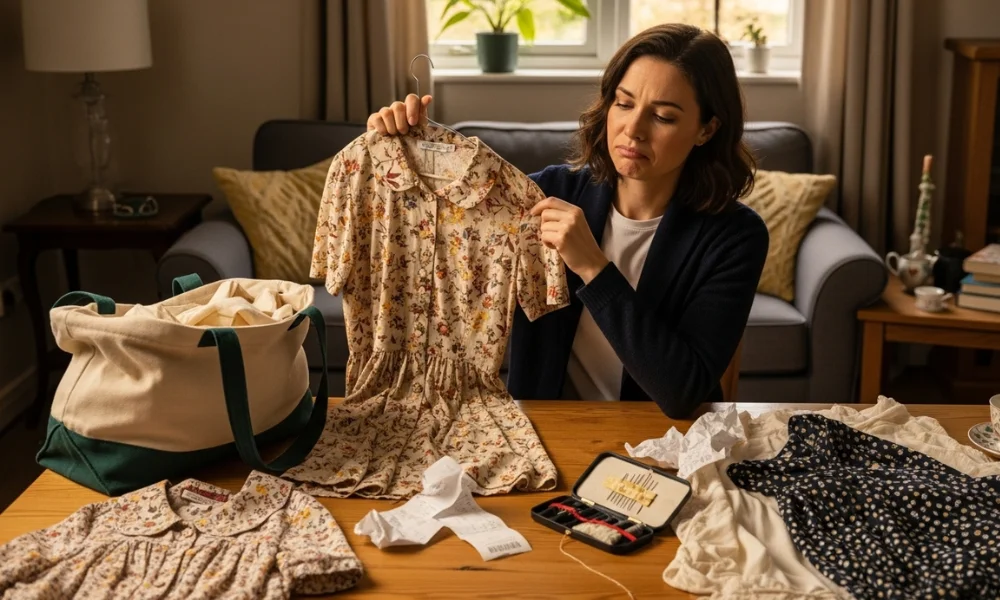
Even seasoned shoppers make errors that cost money or quality. Being aware of common pitfalls keeps your experience positive and stress-free. A vintage shopping guide helps you sidestep these mistakes easily. Think of these tips as your safety net while exploring.
Overbuying and Impulse Purchases
It’s easy to get excited and grab everything that looks interesting. This leads to clutter and wasted money on items you won’t use. Make a list before you shop and stick to it firmly. A clear plan keeps your vintage shopping purposeful.
Ignoring Return Policies
Some sellers, especially at markets, don’t offer returns or exchanges. Always ask about return policies before finalising a purchase. This simple question can save you frustration later on. Knowing your rights is part of smart vintage shopping.
Underestimating Restoration Costs
Minor repairs may be cheap but major work can be costly. Calculate the total cost of a piece, including cleaning and alterations. This prevents surprises when you get the item home. Honest budgeting ensures you only buy what you can affordably restore.
Wrap-Up & Vintage Shopping Checklist
Vintage shopping is more than just buying old things: it’s about discovery. With the right mindset, you’ll find pieces that express your style and values. Using this vintage shopping guide helps you shop confidently and enjoy the hunt. Preparation turns browsing into an exciting, successful experience.
Quick Checklist for Your Next Trip
-
Know the difference between vintage, retro, antique, and secondhand.
-
Research shops, markets, and online platforms beforehand.
-
Bring measurements, a tape measure, and a budget plan.
-
Scrutinize the condition and authenticity before purchase.
-
Ask about return policies and factor in restoration costs.
Following this checklist gives you a reliable plan every time you shop. It’s a simple tool, but it makes a huge difference. Enjoy building your unique collection of vintage treasures with confidence. Your next find could be a timeless piece you’ll love forever.
Conclusion
Vintage shopping is a rewarding journey that combines style, history, and sustainability. With the right knowledge, you can confidently explore markets, boutiques, and online platforms. This guide has given you clear steps to spot authentic pieces and avoid mistakes. Following these tips turns every shopping trip into an exciting and meaningful adventure.
