
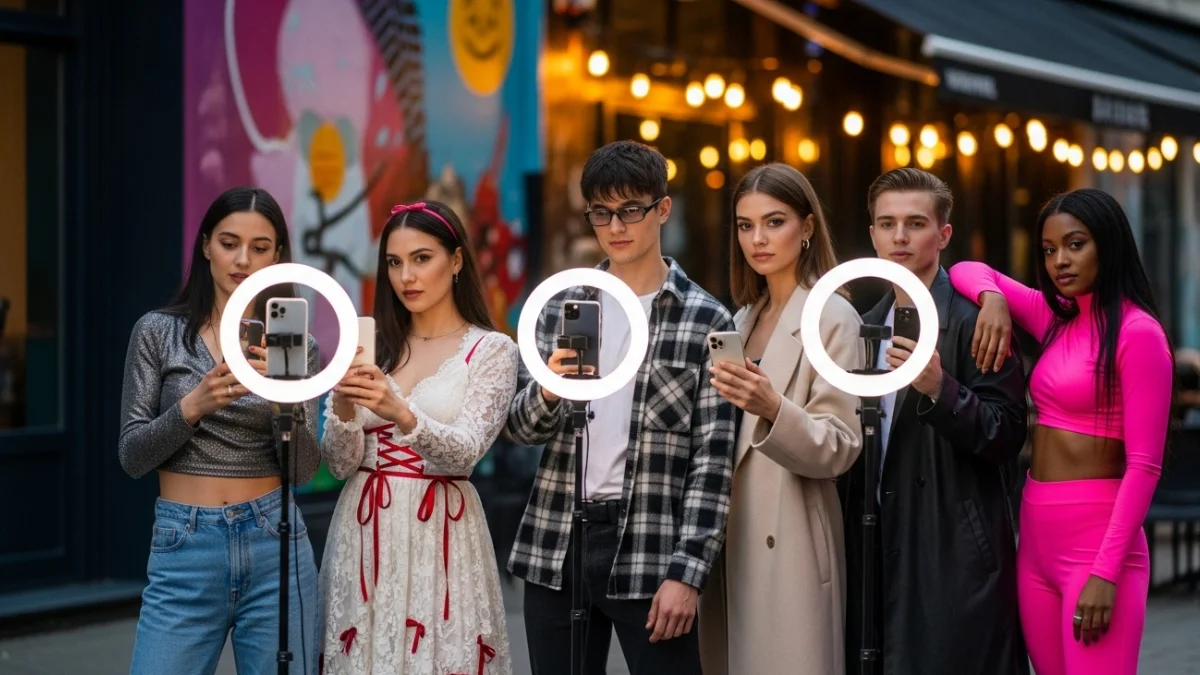
In 2025, social media fashion trends are moving faster than ever before. Platforms like TikTok and Instagram are shaping what we wear and buy daily. These viral styles are not only aesthetic but also cultural markers of online identity. Today, let’s explore what’s trending, why it spreads, and how brands can keep up.
Why Social Media Is the New Fashion Runway
Social media has transformed from a photo-sharing space into the world’s biggest runway. Fashion is no longer dictated only by luxury houses but by digital communities. Platforms have given ordinary users the power to influence global style choices. This shift has made social media fashion trends central to modern culture.
From Runways to Feeds: Evolution of Trend Power
Once upon a time, magazines and runway shows were the primary tastemakers. Now, hashtags and reels decide what styles dominate streets around the globe. The shift is democratizing fashion and inviting new creative voices into the space. Social media feeds have essentially replaced front-row seats at fashion week.
Algorithm, Virality & Trend Acceleration
The real engine behind fashion virality is algorithmic amplification on platforms. TikTok’s For You Page or Instagram’s Explore tab push trends globally. A single video can catapult a forgotten aesthetic into overnight stardom. Algorithms are responsible for accelerating the fashion trend cycle beyond traditional limits.
Role of Micro-Influencers & User-Generated Content
Micro-influencers with small but loyal audiences often spark niche fashion waves. Their content feels more authentic and relatable than celebrity endorsements. This authenticity drives engagement and quick adoption across younger audiences online. User-generated content has turned everyday people into trendsetters with massive cultural impact.
Top Social Media Fashion Trends 2025
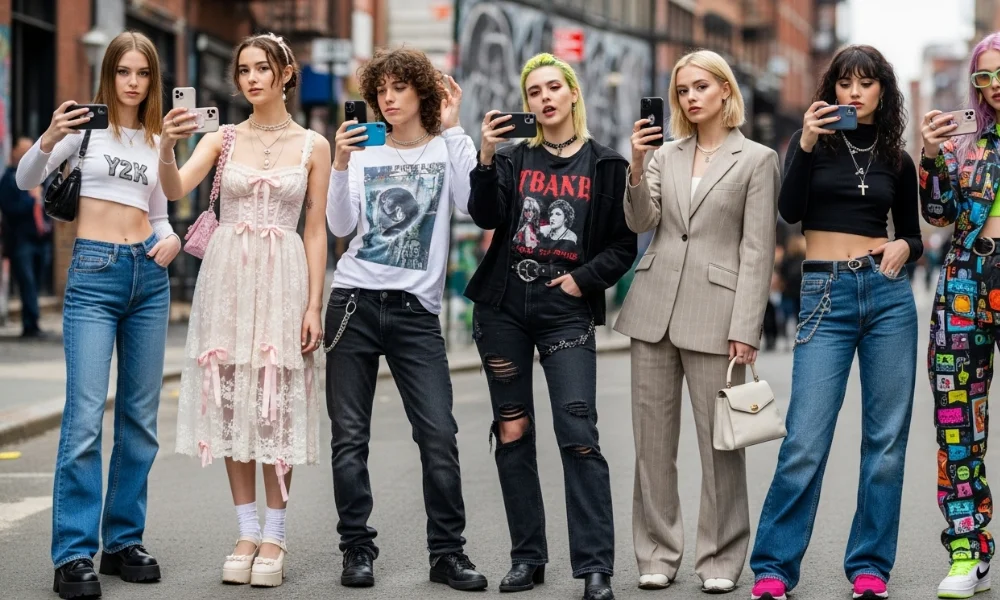
The year 2025 is packed with social media-born fashion trends. These styles are bold, experimental, nostalgic, and even socially aware. Let’s explore the top social media fashion trends shaping wardrobes worldwide. Hashtags, viral posts, and influencer adoption fuel each trend.
Y2K / Early 2000s Revival
The Y2K trend is still alive with its shiny, playful aesthetic. Think low-rise jeans, tiny handbags, and glossy lip gloss looks. Gen Z is reinventing these classics through TikTok challenges and style edits. This nostalgic revival keeps early 2000s culture alive in fresh and bold ways.
Coquette / Cottagecore / Soft Aesthetic
The Coquette and Cottagecore movements highlight softness, lace, and delicate details. These aesthetics create dreamy escapes from fast-paced digital lifestyles today. Ribbons, bows, and pastels dominate Instagram grids and Pinterest mood boards. Their popularity comes from blending escapism with visual storytelling on social media.
Indie Sleaze & Grunge Revival
Indie Sleaze returns with messy eyeliner, vintage tees, and nightlife energy. This style celebrates rebellion against polished perfection and curated influencer feeds. TikTok users share thrift finds and grungy DIY outfits under nostalgic hashtags. The revival proves that imperfect, raw fashion always finds space online.
Quiet Luxury & Minimalism
Quiet Luxury focuses on neutral palettes, fine tailoring, and timeless basics. Influencers show understated elegance through clean cuts and subtle branding. TikTok and Instagram feeds highlight this aesthetic as a response to fast fashion. The trend symbolizes a shift toward investment pieces over disposable purchases.
Dopamine Dressing / Bold Statements
Bright colors and bold prints define the dopamine dressing movement right now. People use fashion to uplift moods through striking, cheerful outfits. TikTok creators share tutorials on mixing colors and patterns creatively. This trend proves that expressive clothing boosts confidence and sparks online conversations.
Digital Fashion & Virtual Try-Ons
Digital fashion is expanding through AR filters and virtual try-on tools. Brands experiment with 3D garments designed only for social media photos. Shoppers enjoy trying digital looks before buying physical versions online. This innovation highlights how technology and social media fashion trends merge together.
Social Commerce & Shoppable Posts
Fashion is no longer limited to inspiration; it’s instantly purchasable online. TikTok Shop and Instagram Checkout allow outfits to trend and sell fast. Influencers link shoppable posts, creating seamless paths from content to purchase. This fusion of fashion and commerce reshapes how consumers discover and buy.
Outfit Repeater Movement / Anti-Fast Trend Fatigue
Not every trend celebrates constant consumption and shopping anymore. The outfit repeater movement promotes re-wearing and styling existing pieces. Creators showcase creativity by remixing old outfits into fresh looks. This shift is a direct reaction against trend fatigue and unsustainable fashion cycles.
How Trends Spread on Social Media: Mechanisms in 2025
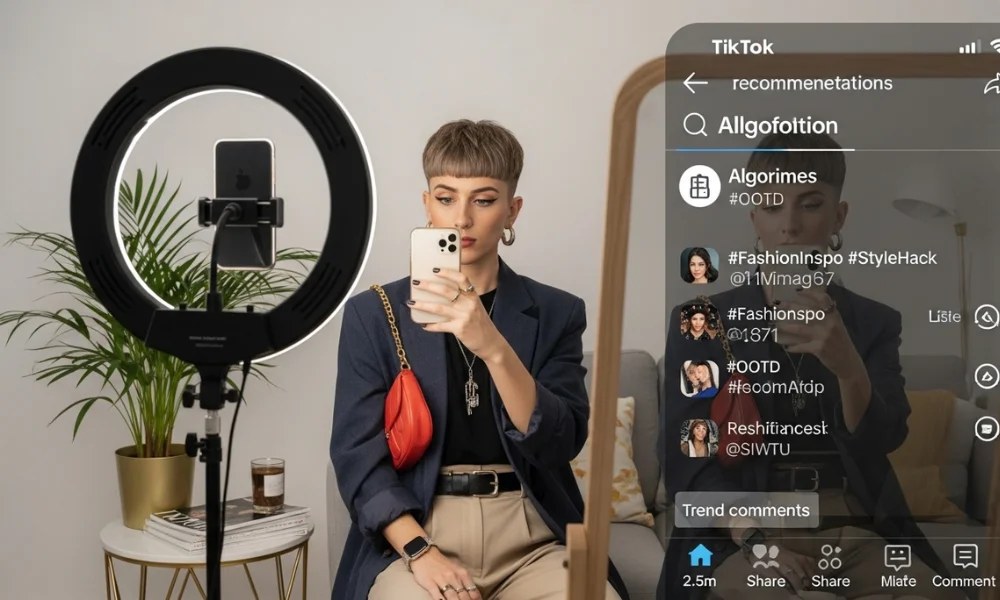
Trends do not spread randomly but follow certain digital mechanisms today. Social media’s design fuels virality through algorithms, challenges, and emotional connections. In 2025, trend propagation has become faster, data-driven, and cross-platform. Understanding these mechanisms helps brands catch waves before they peak.
Hashtag Challenges, Reels & Short Video Virality
Challenges like #GRWM or #OOTD dominate TikTok’s trend ecosystem today. Short videos showcasing fashion hauls or transitions spread styles quickly. Reels add remix culture where users adapt and personalize a trend. These formats thrive because they combine entertainment with visual inspiration seamlessly.
Algorithmic Recommendation vs. Social Signals
Algorithms push content to massive audiences, but social signals keep it alive. Likes, shares, and comments act as validation for fashion virality. A video with strong engagement will continue circulating for weeks. The cycle of recommendation plus validation is why social media fashion trends grow exponentially.
Sentiment & Trend Forecasting
AI-driven tools now predict which fashion hashtags will trend next. They analyze sentiment, frequency, and viral signals across large datasets. Brands and influencers use these insights to prepare trend-aligned content. Sentiment forecasting offers a strategic edge in catching waves early.
Cross-Platform Diffusion & Memetic Spread
Trends rarely stay confined to one platform in today’s landscape. A TikTok aesthetic often migrates to Instagram, Pinterest, and YouTube. This cross-pollination makes fashion trends universal across age and geography. Memetic spread keeps fashion alive by adapting it across communities and cultures.
Table: Mechanisms of Social Media Trend Spread
| Mechanism | Platform Example | Impact on Trend Spread |
|---|---|---|
| Hashtag challenge | #OOTD on TikTok | Sparks mass participation & fast adoption |
| Reels / algorithm push | Instagram Explore | Expands reach beyond follower base quickly |
| Micro-influencer content | TikTok Duets / Stitches | Builds authenticity & niche trend adoption |
| Sentiment forecasting | AI trend tools | Helps brands predict early trend movements |
Benefits & Risks of Social Media Fashion Trends
Social media trends bring exciting opportunities but also carry real risks. While they democratize influence, they also accelerate unsustainable cycles. Both creators and brands must weigh positives against negatives carefully. Here’s a balanced look at the impact of social media fashion trends 2025.
Benefits
-
Democratization of trend setting through user-generated content.
-
Increased brand engagement and direct commerce opportunities.
-
Rapid cultural influence and real-time feedback for designers.
-
Global reach, crossing borders faster than traditional advertising.
Risks & Challenges
-
Trend fatigue due to constant algorithm-driven changes.
-
Environmental cost of fast cycles and unsustainable production.
-
Intellectual property concerns with viral copying and imitation.
-
Short-lived virality making investment risky for some brands.
How Brands & Creators Should Respond in 2025
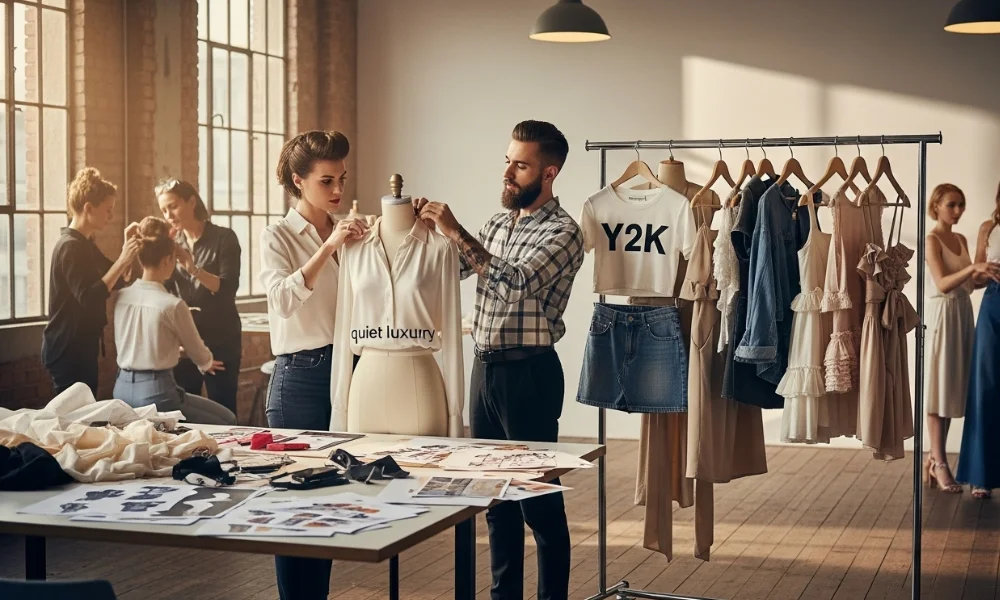
Adapting to fast-moving trends requires a smart and balanced strategy. Brands can’t chase every wave but must stay aware of shifts. Creators need to balance originality with trend participation to stand out. Strategic adaptation is key to thriving in social media fashion trends 2025.
Monitoring & Forecasting (Tools, Social Listening)
Brands use AI-powered tools to track hashtags, mentions, and engagement. Social listening reveals early signals of emerging aesthetics across platforms. This allows them to adapt campaigns or product launches quickly. Forecasting ensures they don’t lag behind competitors or cultural shifts.
Collaborating with Micro & Nano Influencers
Micro and nano influencers deliver niche but powerful audience engagement today. Their authenticity drives higher trust and purchase intent compared to celebrities. Fashion brands collaborate with them for grassroots trend amplification. This partnership creates buzz without the risks of mass overexposure.
Creating Trend-Ready Content (Reels, Styling Guides)
Short-form video is the primary way to join trending conversations. Styling guides and tutorials give audiences ideas while promoting products. Brands should focus on interactive content that feels organic, not forced. This makes marketing both entertaining and authentic in a crowded feed.
Balancing Trend with Brand Identity & Sustainability
Jumping on trends without strategy can dilute brand identity quickly. Sustainable practices like promoting outfit repetition strengthen credibility and trust. Aligning with values while engaging trends creates long-term audience loyalty. Balance ensures brands ride waves while staying consistent with their DNA.
Using Shoppable Posts & Social Commerce
The rise of social commerce means buying is just one tap away. Shoppable posts make conversion instant during trend-driven excitement online. TikTok and Instagram now act as both magazines and shopping malls. Smart integration ensures inspiration instantly transforms into sales opportunities.
Testing & Iterating (Pilot Drops, Feedback Loops)
Rather than betting big, brands can test mini-collections aligned with trends. Limited drops generate hype while minimizing unsold inventory risk. Feedback loops allow data-driven decisions for scaling successful aesthetics. Iteration ensures agility in a rapidly shifting trend environment.
Conclusion
In 2025, social media fashion trends are the driving force behind style culture. They spread faster, impact commerce more directly, and democratize influence. However, they also come with risks of fatigue and unsustainability. The key is balance: monitor, adapt, but stay true to brand identity.
You can catch waves early by staying tuned to social media fashion trends. Brands, creators, and consumers all play a role in shaping what sticks. Fashion’s future lies in the intersection of creativity, digital influence, and conscious choices. Are you ready to embrace the next big viral aesthetic?
