
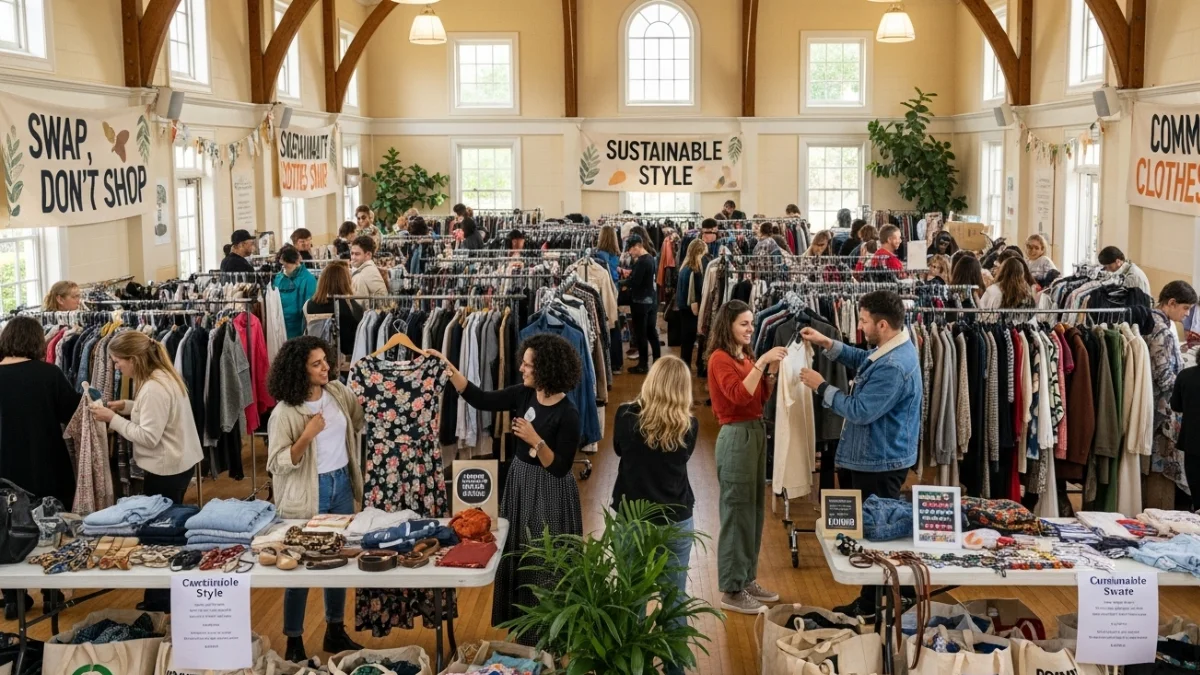
In 2025, fashion swap trends are redefining how we refresh our wardrobes without overspending. People everywhere turn to clothing swaps to cut waste, save money, and connect with like-minded style lovers. This shift is a larger movement toward circular fashion and community-driven consumption. In this article, you’ll learn what a fashion swap is, why it’s trending, and how to join in or host one yourself.
What Is a Fashion Swap & Why It Matters
A fashion swap is a simple idea: exchange clothes you no longer wear for something fresh. Instead of throwing items away, you give them a second life through clothing swaps or “swishing” events. This approach saves resources, reduces your fashion footprint, and fosters community spirit. In 2025, these swaps are a sign of how consumers value sustainability and connection over constant new purchases.
Fashion Swap Trends 2025: What’s Driving the Growth
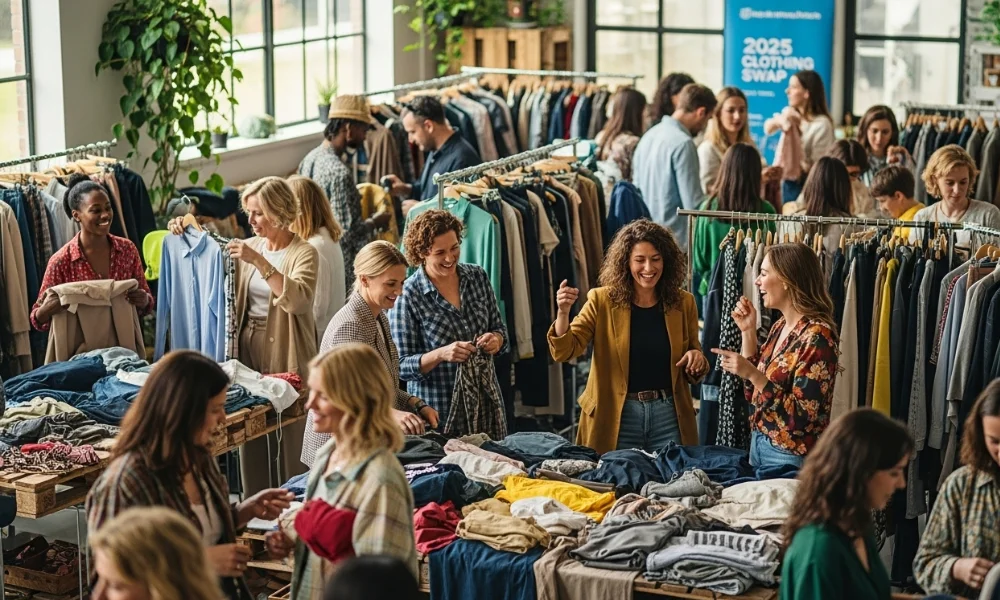
Economic, social, and environmental factors fuel fashion swap trends 2025. The rising cost of living is pushing people to rethink how they shop for clothes. At the same time, the call for sustainable fashion and circular economy solutions is louder than ever. Together, these forces create fertile ground for swapping to flourish.
Economic Pressure & Inflation
Higher prices mean fewer impulse buys, so people seek more innovative options. Clothing swaps give shoppers a way to refresh their wardrobes without spending money. Getting something “new to you” for free feels satisfying and sustainable. Swapping becomes a practical and enjoyable alternative to retail therapy as inflation lingers.
Sustainability & Circular Economy Push
More consumers now link their clothing habits with climate change and waste issues. Circular fashion initiatives like swapping reduce landfill contributions and extend garment life. This eco-friendly aspect resonates strongly with younger generations and eco-minded communities. By swapping, people feel they’re taking direct action to help the planet.
Digital Platforms & Mobile Swap Apps
Mobile apps and online platforms make finding a clothing swap easier than ever. Apps like CLOSWAP in the UK connect users for peer-to-peer exchanges quickly and safely. These digital tools also let people rate partners, upload photos, and set swap rules. Technology is removing friction and expanding the reach of swap communities beyond local circles.
Brand & Corporate Swap Initiatives
Big fashion brands are experimenting with swap programs to build loyalty and cut waste. Some retailers host in-store swap events where customers bring in items to trade. Others run digital marketplaces for pre-owned items under their own labels. These efforts show that swapping is moving from a niche hobby to a mainstream strategy.
Social & Community Appeal
Swapping clothes isn’t just about fashion; it’s also about making friends. Local swap parties and pop-ups create a fun social atmosphere where style lovers meet. The events often include music, snacks, and styling tips, making them memorable experiences. People leave not just with new outfits but also with new connections.
Top Clothing Swap Trends You Should Watch
Below is a quick look at the major clothing swap trends reshaping the fashion world in 2025. Each offers unique opportunities for consumers, communities, and even brands.
| Trend | Example | Pros | Challenges |
|---|---|---|---|
| Pop-Up Swap Events | City-hosted swap parties | Fun, social, immediate access to clothes | Limited to local reach |
| Swap Apps & Digital Platforms | CLOSWAP, Swap Society | Easy, broad selection, rating systems | Need trust and logistics |
| Brand-Led Swap Programs | In-store swap days by retailers | Builds loyalty, reduces waste | Inventory tracking needed |
| Hybrid Digital/In-Person Experiences | Online RSVP then physical swap meet | Combines convenience with social fun | More planning required |
| Localised City Networks | Neighbourhood swap clubs | Builds community ties | Small item variety |
Pop-Up Swap Events & Themed Parties
Pop-up swap events have become a staple in urban communities worldwide. Organisers choose themes like vintage, kids’ clothes, or workwear to attract participants. These themed swaps make it easier for people to find items they’ll truly use. They also add a festive vibe that sets them apart from ordinary shopping.
On-Demand Clothing Swap Apps
Digital platforms let users browse wardrobes across cities from their phones. Photos, ratings, and filters help match people quickly and reduce misfits. Many apps now integrate pickup or shipping options to streamline the process. This technology is expanding the swap economy beyond its original community roots.
Hybrid Digital/In-Person Swap Experiences
Some groups use apps for sign-ups and photos, but still hold physical events. This hybrid model combines the convenience of digital with the excitement of real-life swapping. It also allows for better organisation, clear rules, and curated selections. Participants enjoy a smoother experience with less chaos and more fun.
Brand-Led Swap Programs
Retailers are embracing swapping as part of their sustainability commitments. In-store swap days encourage shoppers to return gently used items for credit or trade. These events create buzz and deepen relationships between brands and eco-conscious customers. They also show that big companies are listening to changing consumer values.
Localised / City-Based Swap Ecosystems
Neighbourhood clubs or community centres are hosting regular swaps to strengthen ties. These small but steady exchanges help circulate clothing within a familiar group. People trust each other more and can give feedback directly on items. Such networks show how swapping can become a lifestyle rather than a one-time event.
Examples & Case Studies
Real-world examples show how fast this movement is growing. CLOSWAP, a UK student-founded app, connects thousands of users for secure, stylish swaps. Ace & Jig, a U.S. brand, organises annual swap meets to reclaim Black Friday with sustainability. Fashion For Future runs swap shops that divert significant textile waste from landfills. These cases illustrate how swapping can be both grassroots and brand-driven at once.
How to Host or Participate in a Clothing Swap
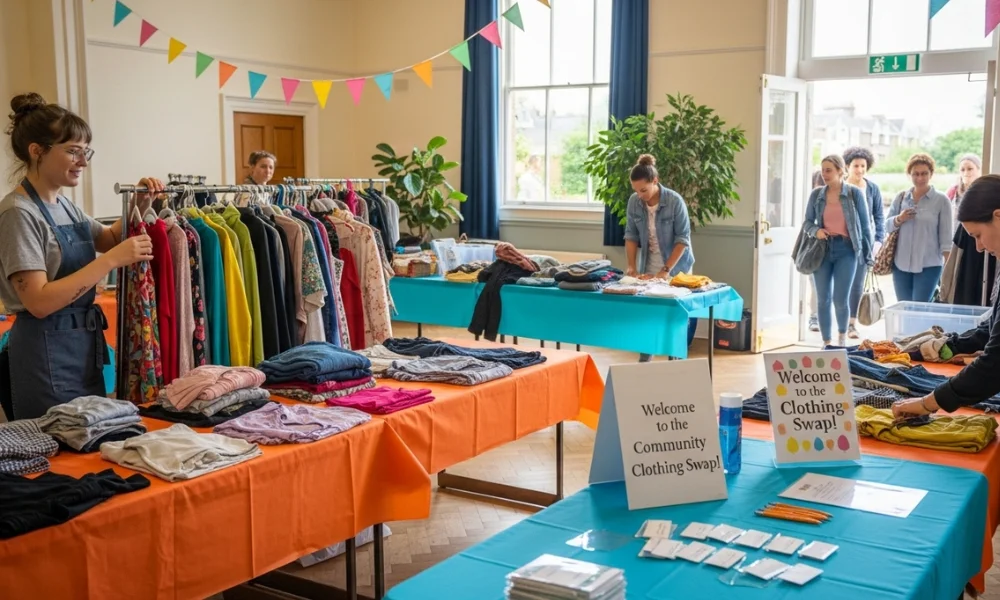
Joining or hosting a swap is easier than you might think. A well-run event ensures everyone leaves happy and the items find good homes. Whether you’re a participant or an organiser, following simple steps helps. Below are the basics to keep in mind.
Planning & Logistics
Choose a suitable venue with enough space for browsing and trying on clothes. Set clear rules about what can be brought, like condition and categories. Decide on a swap system: one-for-one, points, or open table. Good planning creates a smooth flow and avoids confusion on event day.
Promotion & Marketing
Use social media and community groups to spread the word early. Post photos of items participants will bring to build excitement and trust. Offer small incentives like raffle prizes or styling tips to encourage attendance. The more buzz you create, the more vibrant and diverse your swap will be.
Swap Rules & Etiquette
Clear etiquette keeps the event friendly and fair for all. Ask people to bring clean, gently used items and display them neatly. Encourage polite negotiation and respect for others’ tastes and choices. Simple guidelines go a long way to making the swap fun and stress-free.
Follow-Up: Reuse & Repurpose Leftover Items
Plan what to do with items that don’t get swapped. Partner with a local charity or upcycling group to handle leftovers responsibly. Sharing photos and success stories after the event builds a loyal community. This follow-up step ensures nothing goes to waste and people look forward to the next swap.
Benefits, Challenges & Risks
Clothing swaps deliver big benefits but also come with some hurdles. Knowing both sides helps you make the most of the experience. Here’s a quick overview:
-
Benefits: Cost savings, reduced fashion waste, unique style finds, social connection
-
Challenges: Quality control, sizing mismatches, logistics, and need for trust
-
Risks: Hygiene concerns, damaged items, low turnout if not promoted
Addressing these issues through clear rules, good planning, and technology makes swaps smoother. When done right, they are a win-win for people and the planet.
The Future of Fashion Swap Trends
The next few years will likely bring even bigger innovations to swapping. Expect AI-powered matching systems, AR “try-before-you-swap” features, and blockchain for garment history. Brands may integrate swapping into loyalty programs or offer swap credits with purchases. As this circular fashion model matures, swapping could rival traditional shopping as a mainstream habit.
Conclusion
Fashion swap trends 2025 show how style, savings, and sustainability can go hand in hand. From pop-ups to apps, swapping is evolving into a vibrant culture with global impact. You can join a swap, host your own, or try a new app. The future of fashion may not be about owning more but about sharing smarter.
