Many people ask if fast fashion is worth it, especially when low prices look tempting and trends move fast. The question sounds simple. However, the answer becomes complex when we consider ethics, quality, and long-term costs.
As the debate grows, more shoppers compare fast fashion vs. sustainable fashion to understand what truly benefits their lifestyle, budget, and values.
Why People Still Buy Fast Fashion
Shoppers buy fast fashion because it feels easy. Prices stay low. Styles drop every week. Stores deliver trends instantly.
These benefits convince people that fast fashion works for their daily needs. Even then, the story goes deeper.
Most people do not see how short the lifespan of these clothes can be. The fabric loses shape quickly. Colors fade after a few washes. Threads loosen.
Repairs feel pointless. When these issues stack up, many begin asking again: is fast fashion worth it in the long run?
The True Cost Behind Fast Fashion
Fast fashion looks budget-friendly at first. Yet real costs increase with time. Clothes wear out fast, so people buy again and again. Money slips away without notice.
Environmental damage grows as well. The environmental impact of fast fashion includes heavy water use, fabric waste, and chemical pollution. Each discarded piece adds pressure to landfills.
Production cycles stay rushed, so factories use cheap materials that break down easily. Consequently, people pay more over time while the planet pays a higher price.
These realities force shoppers to rethink the original question: Is fast fashion worth it when the damage around us becomes visible?
Ethical Issues We Cannot Ignore
Fast fashion’s supply chain raises tough ethical questions. Factories in several countries still fail to offer fair wages. Workers face long hours and unsafe conditions. Brands remove themselves from responsibility by outsourcing to multiple suppliers.
Because of this, many shoppers look for ethical clothing brands in Europe and the UK. These brands commit to transparency. They use certified factories.
They choose better fabrics. They protect the workers who create every stitch. When shoppers compare both sides, the gap feels wide.
The more people learn about production practices, the more they ask again: Is fast fashion worth it when ethics fall apart?
Quality vs Quantity: What Lasts Longer
Fast fashion promotes quantity. People buy ten pieces because the price feels low. However, sustainable fashion focuses on quality. A single well-made shirt can last for years.
Better stitching holds strong. Premium fabric stays soft and structured. Colors remain rich.
When someone builds a wardrobe with intention, their cost per wear becomes lower. They save money over time.
They avoid repeated spending on replacements. Because of this, the debate around fast fashion vs sustainable fashion becomes clearer. Quality defeats quantity every time.
And still, people continue wondering: Is fast fashion worth it if the clothes do not last?
Why Sustainability Now Matters More Than Ever
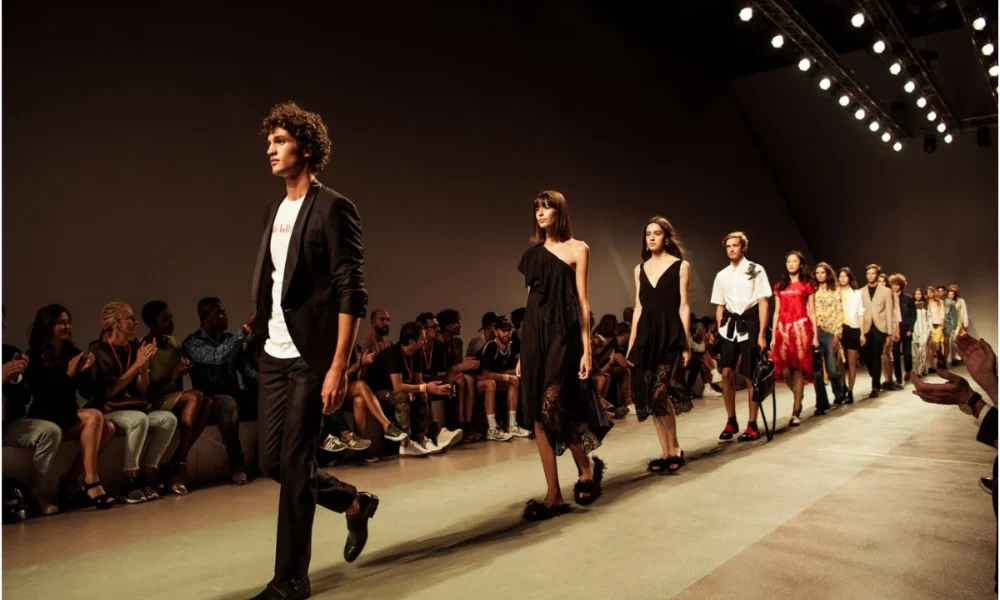
Sustainability no longer sits in the background. It shapes how we shop today. Climate change, water shortages, and waste pollution push us to rethink habits.
The idea of a sustainable luxury wardrobe grows because people want fewer but better items.
Sustainable fashion focuses on durable fabrics, ethical practices, and timeless design. A well-planned closet reduces clutter and stress.
Each piece serves a purpose. Because clothing lasts longer, shoppers buy less. This saves money and supports brands that respect the planet.
So the question evolves. Is fast fashion worth it when sustainable options offer real value and long-term style?
How to Build a Wardrobe That Lasts
Building a lasting wardrobe feels easier when you follow consistent habits. Start with neutral basics because they mix well with everything. Choose timeless silhouettes.
Pick breathable fabrics. Compare stitching and material thickness before buying.
After that, add a few statement pieces. These lift your daily style without creating waste. When you follow these habits, your closet grows slower but stronger. You avoid panic buying.
You protect your budget. You support responsible brands. These long-lasting wardrobe tips help anyone move away from fast fashion step by step.
Where Does Ethical Clothing Fit into Modern Style?
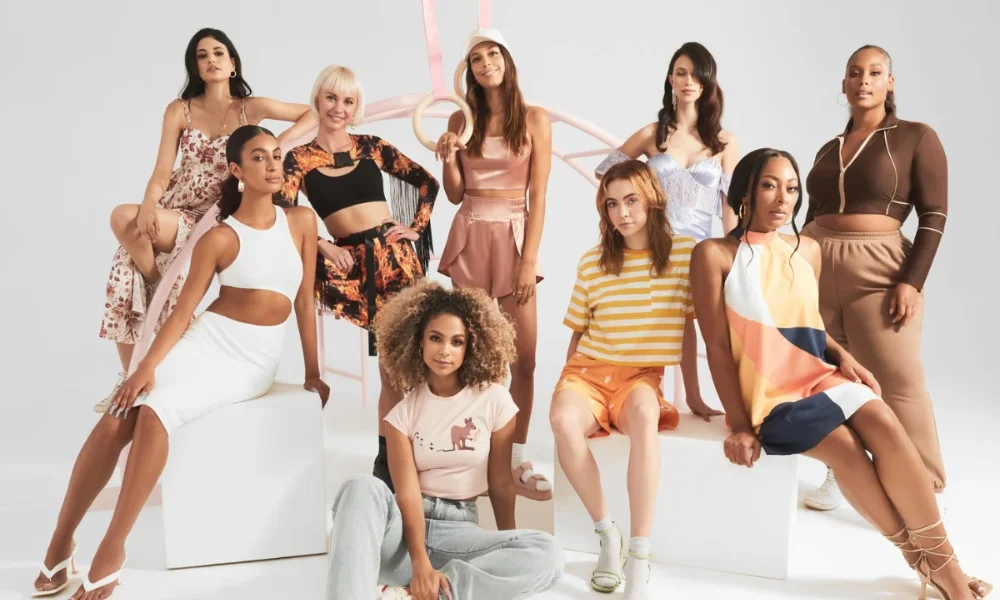
Ethical fashion looks stylish today. Designers focus on quality instead of speed. Many ethical clothing brands in Europe and the UK combine craftsmanship with modern trends.
They use organic cotton, recycled wool, and plant-based dyes. These choices lower environmental damage without compromising style.
Because ethical pieces last longer, shoppers buy them with confidence. Every purchase supports fair practices. Every piece holds value for years.
When people compare this experience with cheap, short-lived clothing, they ask again: is fast fashion worth it compared to something built to last?
The Final Verdict
The answer depends on what someone values. If price matters more than anything, fast fashion seems convenient.
But once you consider ethics, quality, environmental damage, and long-term spending, you see a different picture.
When you look at the full journey of a garment, you start asking the same question again and again. Is fast fashion worth it when sustainable choices give you better comfort, better longevity, and better impact on the planet?
FAQs
Is fast fashion worth it for short-term use?
Fast fashion works for quick, temporary needs. However, clothes often wear out fast. Replacements cost more with time. Because of that, long-term value stays low.
How does fast fashion compare to sustainable fashion?
Fast fashion gives quick trends, while sustainable fashion focuses on durability and ethics. When you compare both, sustainable fashion saves money over time and reduces waste.
Which ethical clothing brands in Europe and the UK are trusted?
Brands like People Tree, Ninety Percent, Stella McCartney, and Komodo stay popular. They use fair trade practices, safe factories, and quality materials.
What are the main environmental impacts of fast fashion?
Fast fashion uses large amounts of water, chemicals, and energy. It produces waste that piles up in landfills. These problems grow with every production cycle.
How can I build a sustainable luxury wardrobe on a budget?
Start slowly. Buy essentials first. Pick high-quality fabrics. Choose timeless styles. Add pieces only when needed. This approach builds a luxurious wardrobe without overspending.
Can sustainable clothing look stylish?
Yes. Modern ethical brands use updated silhouettes, rich fabrics, and thoughtful designs. You get style and responsibility in one piece.
Does fast fashion harm workers?
Yes. Many factories fail to offer fair wages or safe working conditions. Ethical brands address these issues with controlled, transparent production.