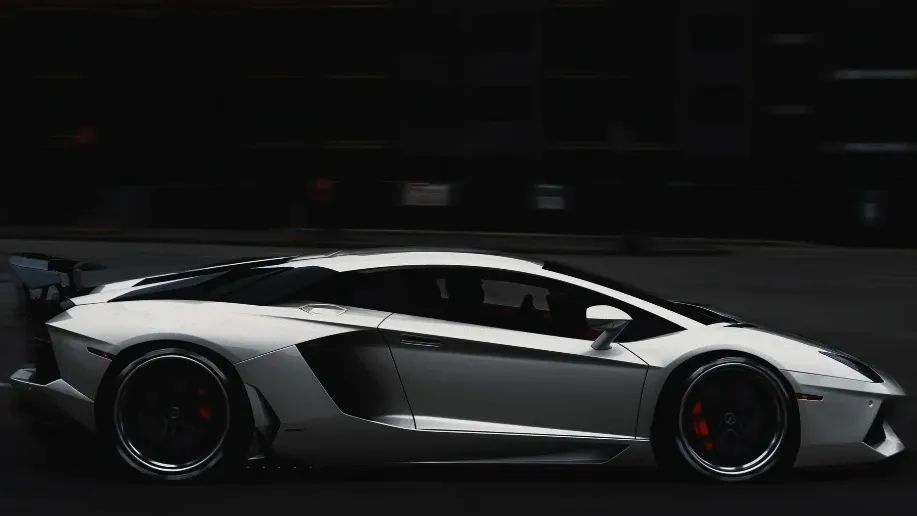
The term hyper car instantly sparks images of sleek, aerodynamic machines tearing down the highway at unimaginable speeds. But what makes a car a hyper car, and how do we draw the line between a supercar and something that transcends even that? The answer isn’t just about horsepower or price. It’s a blend of innovation, design, exclusivity, and the relentless pursuit of perfection.
Hyper cars are the ultimate expression of what technology, creativity, and craftsmanship can achieve on four wheels. To understand what makes a car a hyper car, we need to explore how they’re built, what they represent, and why they hold such an untouchable place in the world of automobiles.
The Evolution of Hyper Cars
To appreciate what makes a car a hyper car, it helps to look at where they came from. The concept began taking shape in the late 1980s and early 1990s, when manufacturers like McLaren, Ferrari, and Bugatti started pushing the limits of what road-legal cars could do. The McLaren F1, launched in 1992, is often considered the first true hyper car. It was a technical masterpiece that combined Formula 1 technology with everyday drivability, setting new standards for speed and innovation. Later, cars like the Bugatti Veyron and Koenigsegg Agera RS took that legacy forward, pushing boundaries further with new materials, aerodynamics, and hybrid systems.
The Performance Factor
When discussing what makes a car a hyper car, the first thing most people think of is performance. These cars are built to do things no ordinary vehicle can. A true hyper car accelerates from zero to sixty miles per hour in less than three seconds and often reaches top speeds beyond 220 miles per hour. But it isn’t just about raw power. The secret lies in how that power is delivered. Hyper cars are engineered for absolute precision. Every gear shift, every aerodynamic surface, every ounce of weight distribution is calibrated for perfection.

Cutting-Edge Engineering and Materials
Another crucial aspect of what makes a car a hyper car is its construction. Hyper cars are marvels of modern engineering, often built from materials more commonly found in aerospace than in automotive factories. Lightweight carbon fiber, titanium, and advanced composites are used extensively to ensure that every component contributes to both speed and safety.
Unlike mass-produced supercars, hyper cars are usually assembled by hand in limited quantities, with extraordinary attention to detail. Engineers design bespoke chassis, suspension systems, and even bolts to optimize strength and weight reduction. For instance, the McLaren Speedtail uses carbon fiber in nearly every visible and hidden surface, while the Pagani Huayra features titanium bolts that cost more than some family sedans.
Exclusivity and Rarity
Performance and technology are essential, but exclusivity plays an equally important role in what makes a car a hyper car. These vehicles are not meant for everyone. Manufacturers often produce fewer than a hundred units, and buyers must be specially invited or pre-approved. Some brands even hand-select customers to ensure that ownership remains an elite privilege.
Because of this, hyper cars aren’t just machines; they are status symbols. Their rarity adds to their mystique. Owning one signals that you belong to a very small club of individuals who value artistry as much as performance. And since most hyper cars are built in limited numbers, they often appreciate in value rather than depreciate. That exclusivity is a key part of what makes a car a hyper car, separating it from even the most exotic supercars that might still be seen in public.
Innovation and Technology
One of the most exciting parts of discovering what makes a car a hyper car is realizing how these machines drive innovation for the entire automotive industry. Many technologies we see in modern sports cars and electric vehicles today were first tested on hyper cars. Hybrid systems, active aerodynamics, and advanced driver assistance tools were pioneered at this level before filtering down to mainstream cars.
For example, the Ferrari LaFerrari and Porsche 918 Spyder introduced hybrid powertrains that not only increased performance but improved efficiency. The Rimac Nevera took that even further, proving that an all-electric car could outperform petrol-powered giants. The idea that sustainability and performance can coexist has become part of the modern hyper car philosophy. In that sense, what makes a car a hyper car is its ability to push technological frontiers, often leading the way for the future of mobility.
The Emotional Experience
Beyond all the numbers and specs, what makes a car a hyper car also lies in the emotional connection it creates. These vehicles are designed to stir something deep within a sense of awe, respect, and exhilaration. Every detail, from the roar of the engine to the sculpted lines of the bodywork, is meant to create an experience unlike anything else on the road.
Owning or even seeing a hyper car feels different because it represents the pinnacle of human ambition. The sound of a Bugatti or the design of a Pagani isn’t just mechanical; it’s emotional. These cars inspire passion in engineers and excitement in enthusiasts. That’s a big part of what makes a car a hyper car it’s not just performance, but presence.
Hyper Cars vs. Supercars
It’s easy to confuse hyper cars with supercars since both categories share speed and style, but understanding what makes a car a hyper car helps clear the distinction.
Supercars like the Lamborghini Huracán or Ferrari 296 GTB are extraordinary, but they’re still built in relatively larger numbers and use technology that’s more accessible. Hyper cars, in contrast, sit on an entirely different level. They often introduce experimental technologies, boast record-breaking capabilities, and exist in extremely limited production runs.

The Future of Hyper Cars
The future is rapidly changing, and with it, the definition of what makes a car a hyper car continues to evolve. As electric powertrains become the norm and sustainability takes center stage, the hyper car world is entering a new era. Manufacturers are now blending electric performance with traditional craftsmanship to produce machines that are both powerful and eco-conscious.
Cars like the Lotus Evija and Pininfarina Battista are proving that hyper cars don’t need gasoline to thrill. They embody the same spirit of innovation that has always defined the category but with a futuristic twist. Over time, as technology progresses, what makes a car a hyper car will likely include how efficiently it harnesses power as much as how fast it can go. The thrill will remain, but the methods will evolve.
Final Thoughts
In the end, what makes a car a hyper car is not a single factor but a combination of extraordinary traits. It’s about performance that shatters limits, engineering that borders on art, materials that redefine luxury, and exclusivity that turns ownership into legend.
These cars symbolize humanity’s endless drive to innovate, to create something faster, lighter, and more beautiful than ever before. Whether powered by roaring V12s or silent electric motors, hyper cars will always stand as the ultimate embodiment of what cars can be when imagination and technology meet without compromise.
Frequently Asked Questions
Q1. What is the price range of a hyper car?
Most hyper cars start around one to two million dollars, but some models exceed five million depending on rarity, customization, and technology. The price reflects the craftsmanship and exclusivity that define what makes a car a hyper car.
Q2. How many hyper cars are usually made?
Production numbers vary, but true hyper cars are almost always limited to fewer than a few hundred units. This scarcity is a major part of what makes a car a hyper car, ensuring that each one is rare and highly collectible.
Q3. Can a modified supercar become a hyper car?
Not really. What makes a car a hyper car isn’t just performance but also design philosophy and innovation from the ground up. Modified supercars may be fast, but they lack the bespoke engineering and exclusivity of a true hyper car.
Q4. Are hyper cars road legal?
Most are, though some versions are track-only. Road-legal hyper cars undergo rigorous engineering to meet safety and emissions standards without sacrificing performance, another reason why what makes a car a hyper car is so special.
Q5. Will electric cars replace traditional hyper cars?
Electric hyper cars are already emerging, and they will likely shape the future of the segment. As technology improves, electric powertrains will continue to define what makes a car a hyper car proving that speed and sustainability can coexist.