Fashion trends are reshaping the way people see clothes today. In the past, mending was simply a way to extend a garment’s life. Now it has become a style statement linked to sustainability and personal expression. This article explores repair fashion trends, brand initiatives, and how to adopt these ideas yourself.
Why Repair Fashion Trends Are Resurgent
Repair fashion trends are growing because consumers care more about sustainability and value. Many people want to reduce waste and embrace a circular fashion lifestyle. This shift means brands must think beyond selling and start offering repair services. These changes have created a movement that turns mending into a badge of creativity and responsibility.
The Sustainability Imperative and Consumer Mindset
Sustainability has moved from a niche interest to a mainstream expectation in fashion. People now ask how their clothes are made and what happens when they wear out. Repair culture answers these concerns by keeping garments in use longer. This approach also builds stronger emotional bonds between people and their clothes.
Economic and Emotional Value of Mending
Repairing clothing saves money and reduces the pressure to buy new pieces. It also creates a sense of pride because people keep wearing items they love. Fashion repair trends celebrate this value and transform it into an aesthetic choice. Consumers feel empowered to express individuality through unique visible mending and patchwork designs.
Industry Pressures and Regulatory Influence
Governments and organisations are encouraging brands to make clothes easier to repair. New “right to repair” laws and policies are emerging in several countries. These rules push fashion companies to design garments with durability and repairability in mind. The outcome is a growing industry that treats repair as an essential service, not an afterthought.
Key Trends in Repair Fashion Today
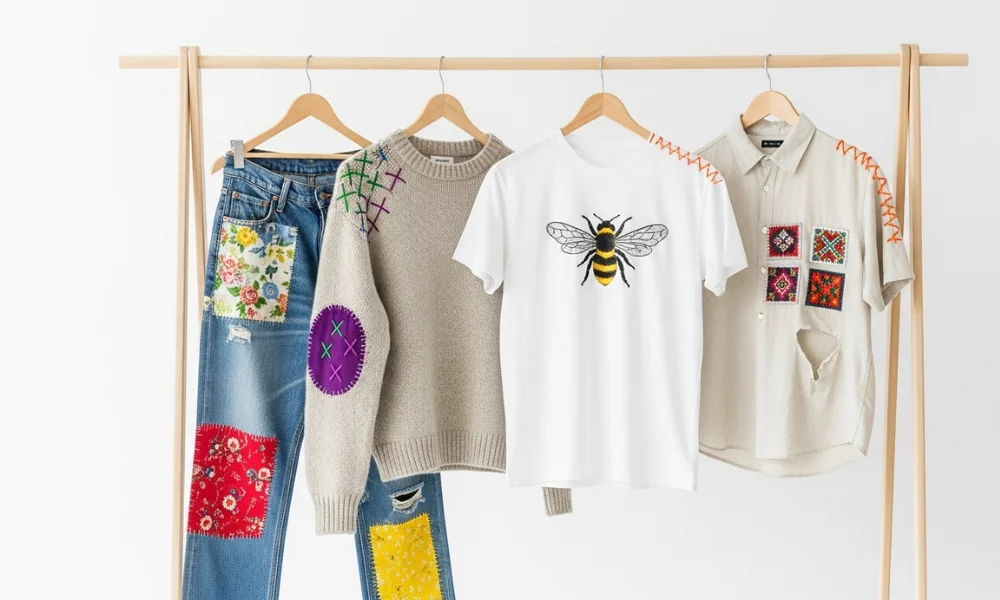
Fashion trends now go beyond basic fixes and tap into creativity. People are embracing visible mending, patchwork, and other artistic techniques. Brands are also launching repair-as-a-service programs to keep customers loyal. Technology is entering the field, making repair easier and more accessible worldwide.
Visible Mending as a Fashion Statement
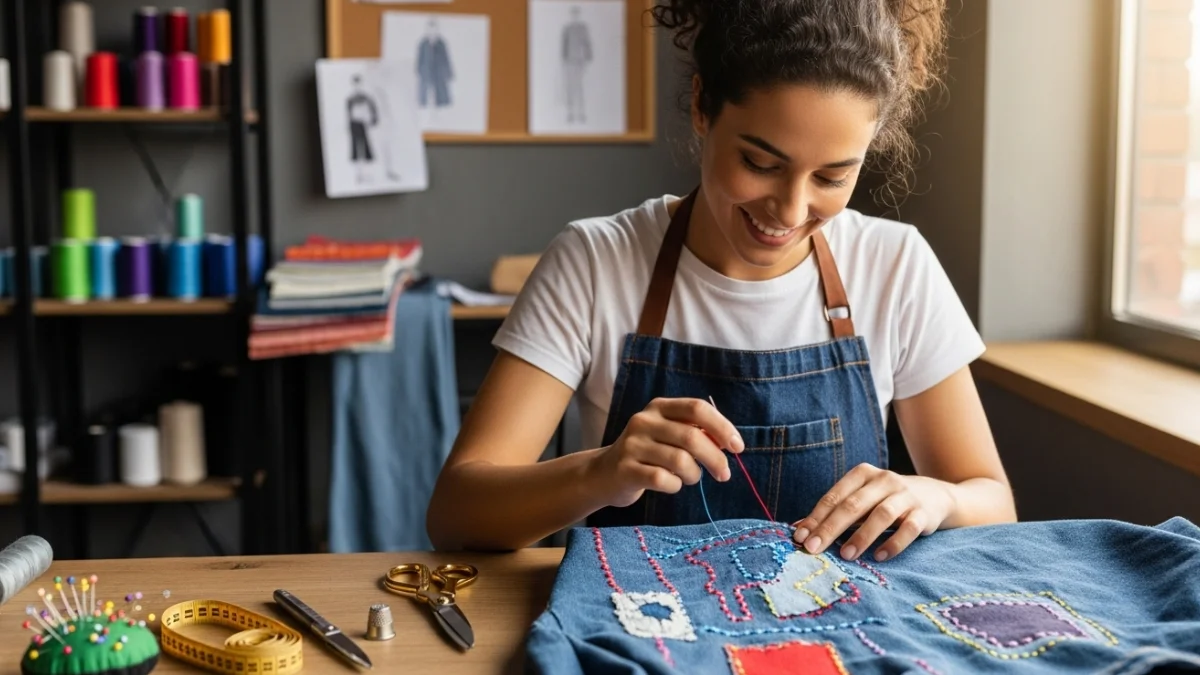
Visible mending highlights stitches and patches rather than hiding them away. Many consumers enjoy showing off creative embroidery or colourful fabrics on worn areas. This repair aesthetic turns flaws into features, making every garment unique. The trend is spreading fast because it combines self-expression with eco-friendly practice.
Repair-as-Service and Brand Repair Programs
Several leading brands are offering repair services to meet this new demand. M&S has teamed up with Sojo to launch clothing repair and alterations services. Patagonia’s Worn Wear program repairs thousands of garments annually. These initiatives create stronger customer relationships while reducing waste.
Digital Care Labels and Repair Tracking
Digital care labels are small QR codes or NFC tags sewn into garments. They link to online repair instructions, care tips, or booking platforms. This technology helps consumers keep track of repair history and services used. It also educates buyers on how to prolong the life of their clothes.
AI and Tech Innovations in Fashion Repair
AI-powered apps and augmented reality tutorials are making repairs more accessible. People can point their phones at a torn seam and see step-by-step fixes. Smart fabrics and predictive maintenance tools are also being tested. These innovations hint at a future where repair blends seamlessly with design and technology.
Key Repair Fashion Trends
| Trend | Definition | Leading Examples | Impact |
|---|---|---|---|
| Visible Mending | Decorative stitches and patches left on display | Independent makers, social media creators | Turns flaws into fashion features |
| Repair-as-Service | Brands offering in-house or partnered repairs | Patagonia Worn Wear, M&S x Sojo | Builds loyalty, reduces waste |
| Digital Care Labels | QR codes linking to care/repair info | Save Your Wardrobe, luxury labels | Educates consumers, tracks garment history |
| AI Repair Tools | Apps and AR tutorials guiding the mending steps | Startup apps, AR sewing guides | Makes repair easier for beginners |
Brand Examples and Case Studies
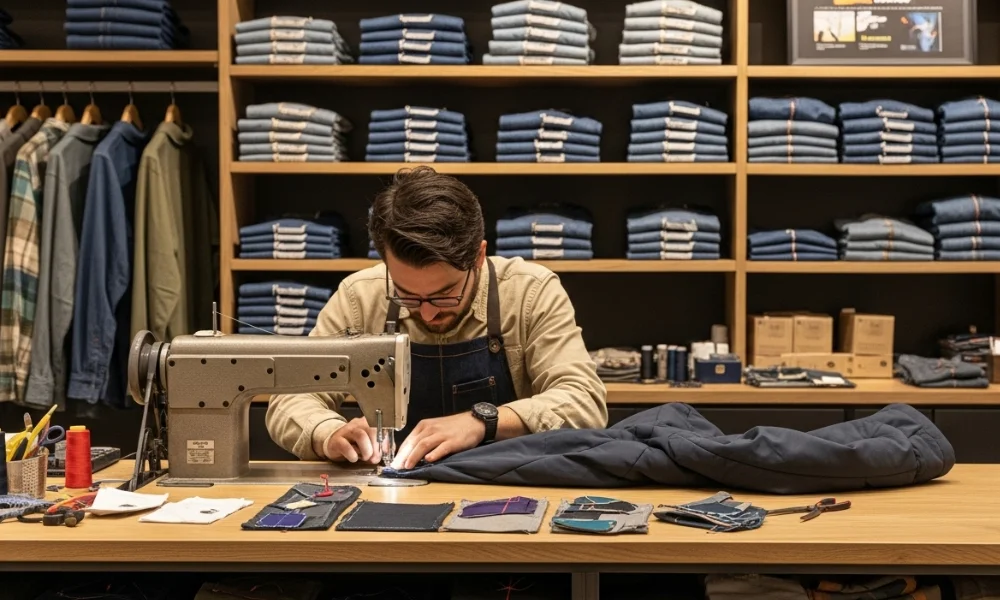
Brands worldwide are investing in repair programs to meet growing demand. Western labels like Patagonia and Nudie Jeans have led the way. Emerging markets such as Indonesia are also seeing a rise in repair-focused communities. DIY repair culture is thriving as more people learn mending techniques.
Global and Western Brands
Patagonia’s Worn Wear program repairs and resells used gear to extend its life. Nudie Jeans offers free repairs at stores worldwide and posts tutorials online. Levi’s encourages customers to repair or customize denim instead of discarding it. These examples show how mainstream brands can integrate repair fashion trends into their business models.
Emerging and Local Market Examples
In Indonesia, a growing movement promotes visible mending and small repair shops. Social media has amplified local tailors who showcase creative patchwork ideas. This trend helps preserve cultural traditions of textile care and reuse and highlights how repair culture can boost local economies and skills.
DIY and Community Repair Movements
Repair cafés and community sewing circles are popping up in many cities. They offer free or low-cost workshops on darning, patching, and embroidery repair. People enjoy learning together and swapping materials or tips. These spaces turn repair into a social and creative activity rather than a chore.
How to Adopt Repair and Mending in Fashion
Adopting repair and mending practices can benefit consumers and businesses. Learning simple techniques extends the life of clothes and reduces waste. Brands can design garments for easy repair and build new service models. Sharing stories around mending can also strengthen customer loyalty.
Basic Mending Techniques
Begin with easy methods like darning, patching, and simple embroidery. These techniques require minimal tools but can transform a damaged area into a feature. Practice on older clothes before tackling your favourites. Over tim,e you will gain confidence and develop your own repair aesthetic.
Tools and Materials Needed for Repair
A small kit makes it easier to start repairing at home. You will need needles, quality thread, fabric patches, and scissors. Some people add embroidery hoops or special sewing needles for tougher fabrics. Having these on hand encourages quick action when a garment tears.
Design Strategies for Repair-Friendly Garments
Brands can design clothes with modular panels or reinforced areas for easy repair. Accessible seams and extra fabric swatches also help customers fix items at home. These strategies support circular fashion, extend a garment’s lifespan, and differentiate a brand in a crowded market.
Launching a Repair Program for Fashion Brands
A repair program can start with simple in-store alterations or partner tailors. Brands may offer vouchers for repairs or promote third-party services. Marketing these services as part of a sustainability pledge builds trust. This approach also helps brands comply with upcoming regulations on repairability.
Marketing and Storytelling Around Repair Aesthetic
Telling the story behind a repaired garment adds value for customers. Social media posts showing before-and-after transformations can inspire followers. Limited-edition patch sets or embroidery designs can make repairs feel special. These efforts turn mending into a marketing advantage rather than a hidden cost.
Challenges and Considerations

Fashion trends are exciting but not without obstacles. Quality control and cost can be hard for large brands to manage. Consumers may still see repair as less premium compared to new items. Understanding these challenges helps brands and individuals adopt repair successfully.
Key Issues to Address
-
Balancing the cost of repairs versus buying new
-
Educating consumers about the benefits of repair
-
Training staff or partners to maintain quality standards
-
Managing the supply of spare parts or fabrics
These challenges are real but solvable with planning and communication.
Future Outlook and Predictions
The future of repair fashion trends looks bright as awareness continues to grow. More mainstream brands are adopting repair-friendly designs and services. Smart textiles that self-heal or indicate wear points may soon become normal. Governments will likely push further policies to repair the default option.
What’s Next in Repair Fashion
Hybrid resale and repair models will expand, linking secondhand markets with mending. AI and robotics may speed up garment repairs in industrial settings. Designers will start showcasing repaired pieces on runways as a prestige statement. These shifts will redefine fashion from disposable to durable and expressive.
Conclusion
Fashion trends show that sustainability and style can go hand in hand. By embracing mending, consumers express creativity while reducing waste. Brands that offer repair programs build loyalty and comply with evolving regulations. Whether you are an individual or a business, now is the time to join the repair revolution.